Architectural vs. 3-Tab Shingles: What's the Difference?
Published · Related to Asphalt Shingle Roofing
Get BH Roofing first in Google
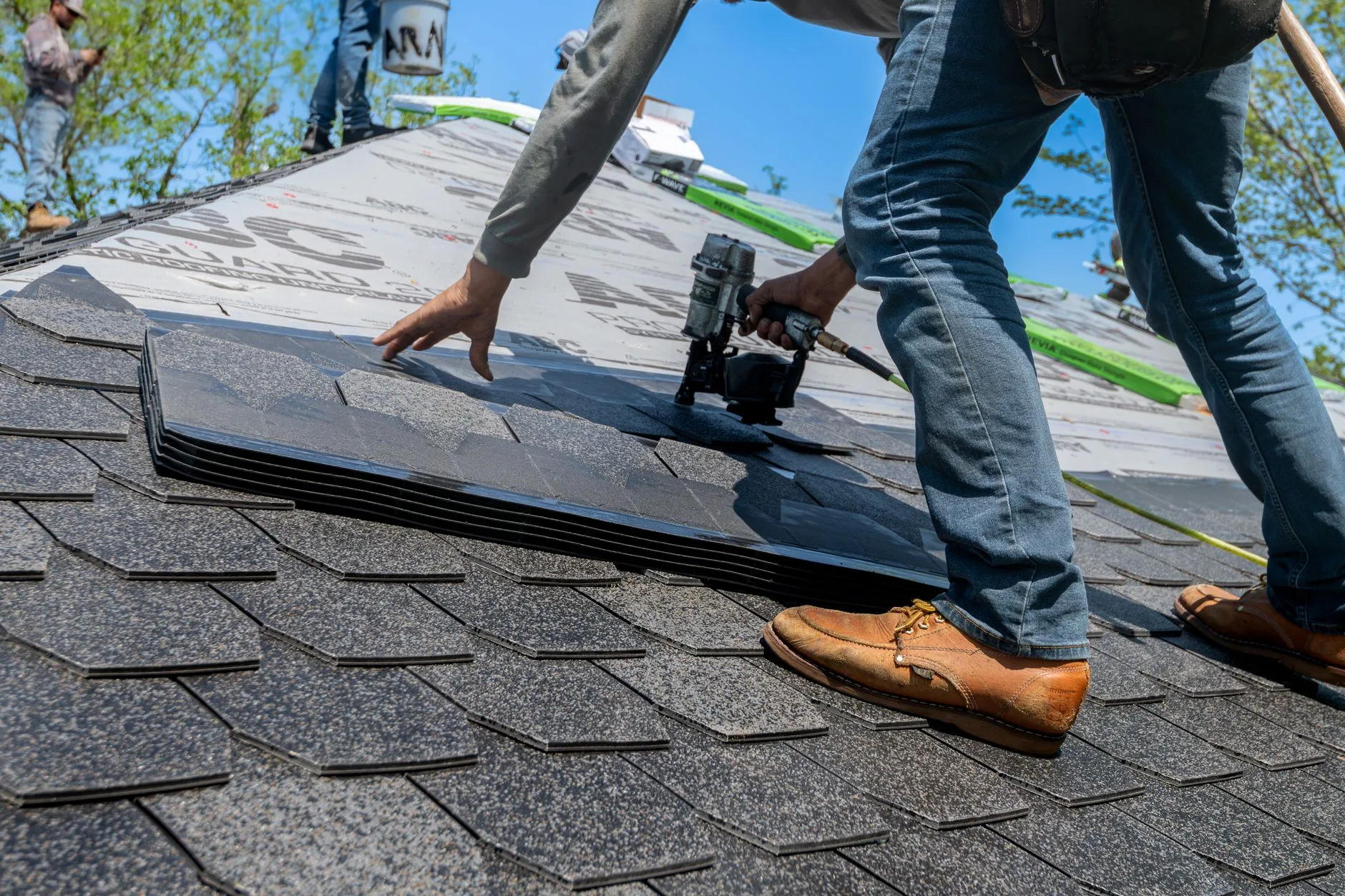
The difference between 3-tab and architectural shingles is one of the more consequential material decisions a homeowner makes, and it’s often glossed over as a purely aesthetic choice. It isn’t - the two products perform differently, and that performance gap matters more in Northeast Ohio than in milder climates.
What Actually Separates Them
3-tab shingles are a single layer, cut into uniform tab shapes that create a flat, repeating pattern. They’re lighter, less expensive to manufacture, and have been the traditional standard for decades. Architectural (also called dimensional or laminate) shingles use multiple layers of asphalt laminated together, creating a thicker, more textured appearance along with meaningfully different physical properties - more mass to resist wind uplift, more material to resist impact damage, and generally longer manufacturer warranties reflecting that improved durability.
Why Wind Rating Is the Real Story
3-tab shingles typically carry lower wind ratings than architectural products. In much of the country, that’s a manageable tradeoff. In Northeast Ohio - particularly in lakefront communities that see notably higher sustained wind exposure - 3-tab’s wind rating gets tested more often and more severely than in calmer regions. This is the core reason we don’t generally recommend 3-tab shingles here, independent of appearance.
Lifespan Differences
3-tab shingles generally carry shorter service life expectations than architectural products, both due to their lighter construction and often shorter manufacturer warranty terms. Over the life of a roof, this can mean an earlier replacement cycle, which affects the real cost comparison beyond the initial installation price.
The Cost Difference Isn’t What It Used to Be
Architectural shingles have become the mainstream standard product rather than a premium upgrade over the years, meaning the price gap between the two has narrowed. Combined with the meaningful wind and lifespan advantages, most homeowners find architectural shingles an easy call once they understand the actual difference rather than just comparing sticker price.
What If You Already Have 3-Tab Shingles?
If your current roof has 3-tab shingles and needs a repair, we generally match the existing product for that specific repair to avoid a visible mismatch and inconsistent wind rating across the roof. That said, if your roof is approaching replacement age, it’s worth having the architectural upgrade conversation at that point rather than defaulting back to 3-tab out of habit.
Bottom Line
The visual difference between 3-tab and architectural shingles is real but secondary. The functional difference - wind rating, impact resistance, and lifespan - is what should actually drive the decision for a Cleveland-area roof, and it’s why architectural has become our standard recommendation across nearly every replacement we do.
Frequently Asked Questions
Are architectural shingles just a cosmetic upgrade over 3-tab?
Why don't you recommend 3-tab shingles for Cleveland homes?
Is there a big price difference between 3-tab and architectural shingles?
Can 3-tab and architectural shingles be mixed on the same roof for a repair?
Do all architectural shingles perform the same, or do brands matter?
Like this article? Make BH Roofing a preferred source in Google Search.
Related Services
Related Reading
Get Your Free Estimate
Tell us about your roof and we'll follow up within one business day - no obligation.
Prefer to talk it through first?
Call (216) 424-3811