Skylight Leaks: Common Causes and How They're Fixed
Most skylight leaks aren't actually about the skylight — they're about the flashing around it. Here's how to tell the difference and what each fix involves.
Roofing Blog
Practical, Cleveland-specific advice on roofing costs, materials, storm damage claims, seasonal maintenance, and more.

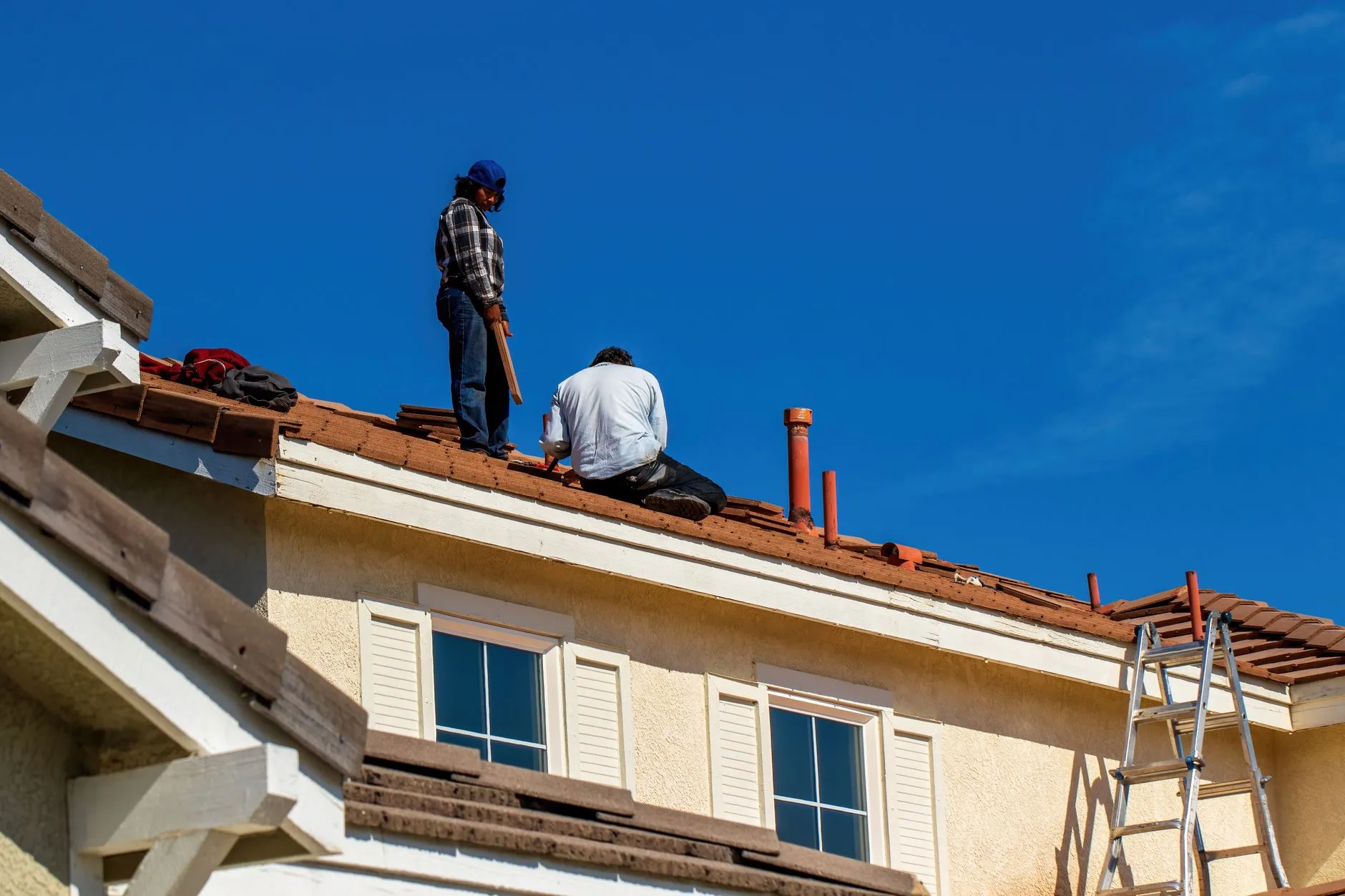
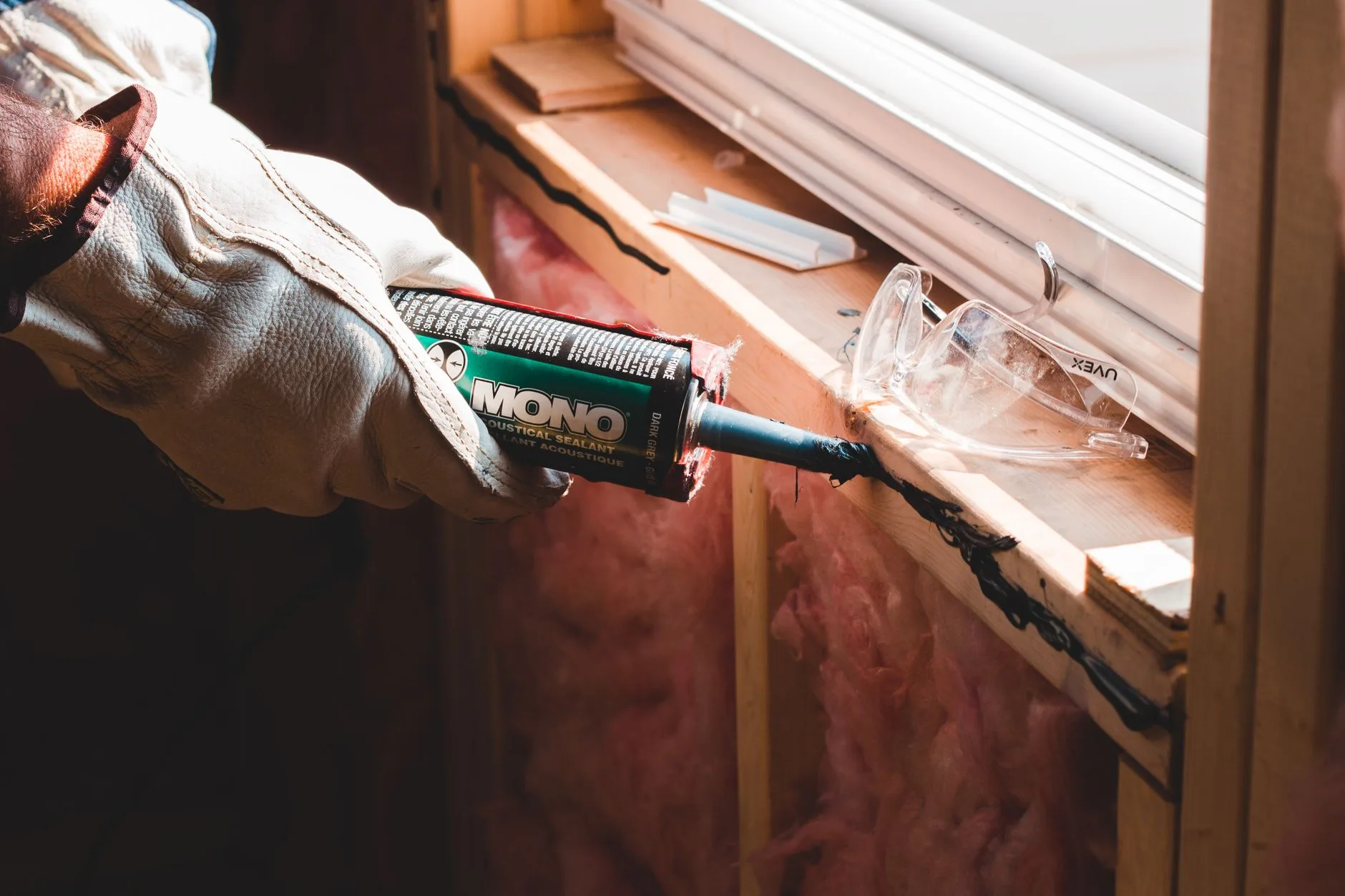
Most skylight leaks aren't actually about the skylight — they're about the flashing around it. Here's how to tell the difference and what each fix involves.

Residential and commercial roofing aren't just different scales of the same job — they involve different materials, different priorities, and different scheduling realities.

Choosing a roofing contractor is about more than comparing quotes — here's what actually separates a reliable local contractor from a risky choice.

A roof replacement typically comes with two separate warranties covering two different things — confusing them is one of the most common homeowner misunderstandings.

Fascia and soffit rarely get a second thought until something visibly sags — but both play a bigger role in your roof's performance than their low profile suggests.

Gutter guards make sense for a lot of Cleveland homes, but not automatically for all of them. Here's how to actually decide if they're worth it for yours.

Gutters do more than manage rainwater — neglected gutters directly contribute to ice damming, fascia rot, and foundation issues. Here's how to keep them working.

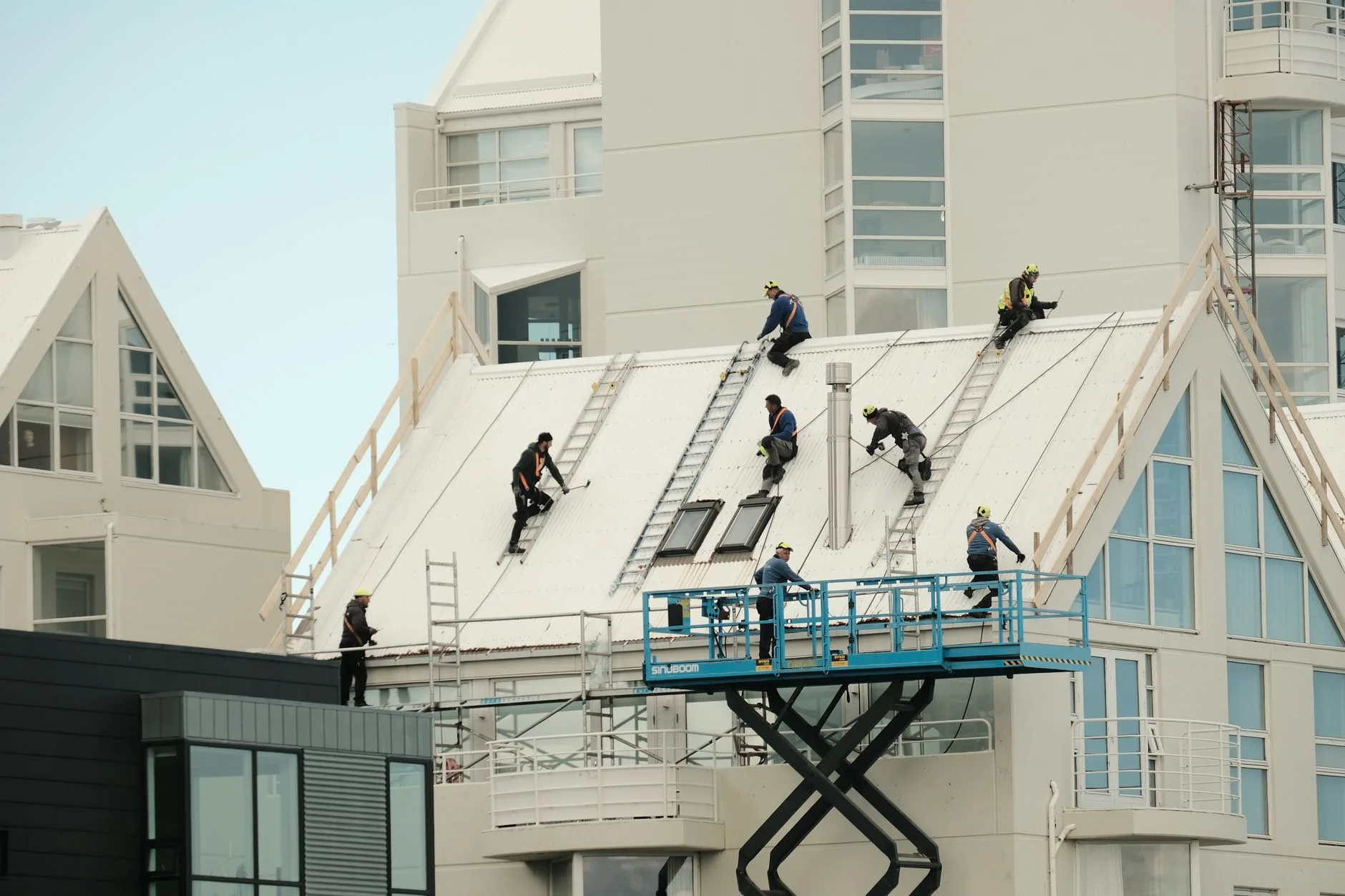
A proper roof inspection is more thorough than a quick look from the ground. Here's exactly what happens, step by step, during a real on-roof assessment.

Twice a year is the general standard, but the right inspection frequency depends on your roof's age, history, and whether it's just been through a significant storm.

Attic ventilation affects ice-dam risk, shingle lifespan, and moisture problems all at once, yet it's the roofing component most homeowners never think about.

Fall is the single best window to prepare a Cleveland-area roof for winter's freeze-thaw stress. Here's what actually matters before the first hard freeze.

Summer offers the most reliable conditions for a thorough roof check. Here's what to look at while the weather actually cooperates.
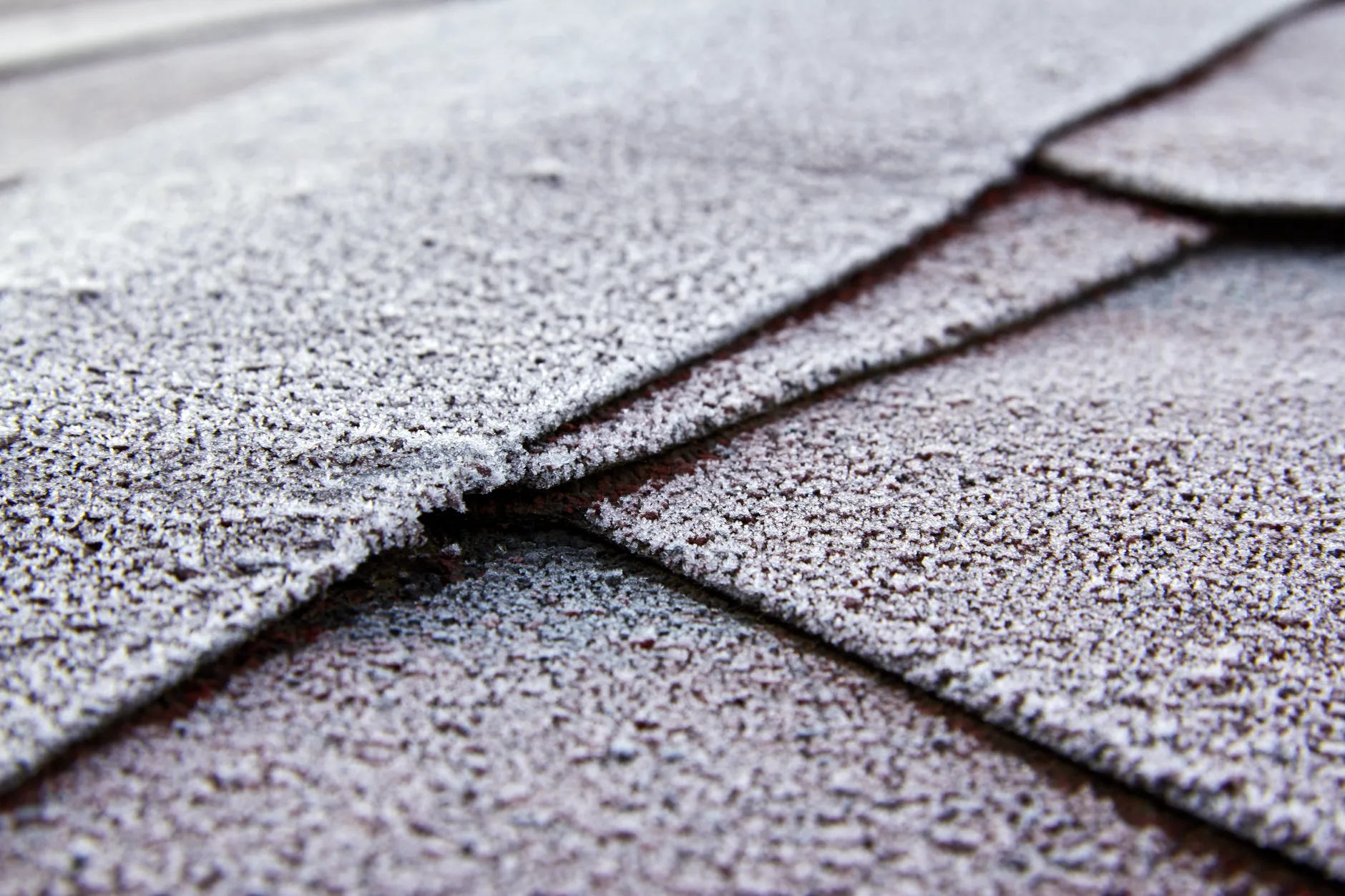
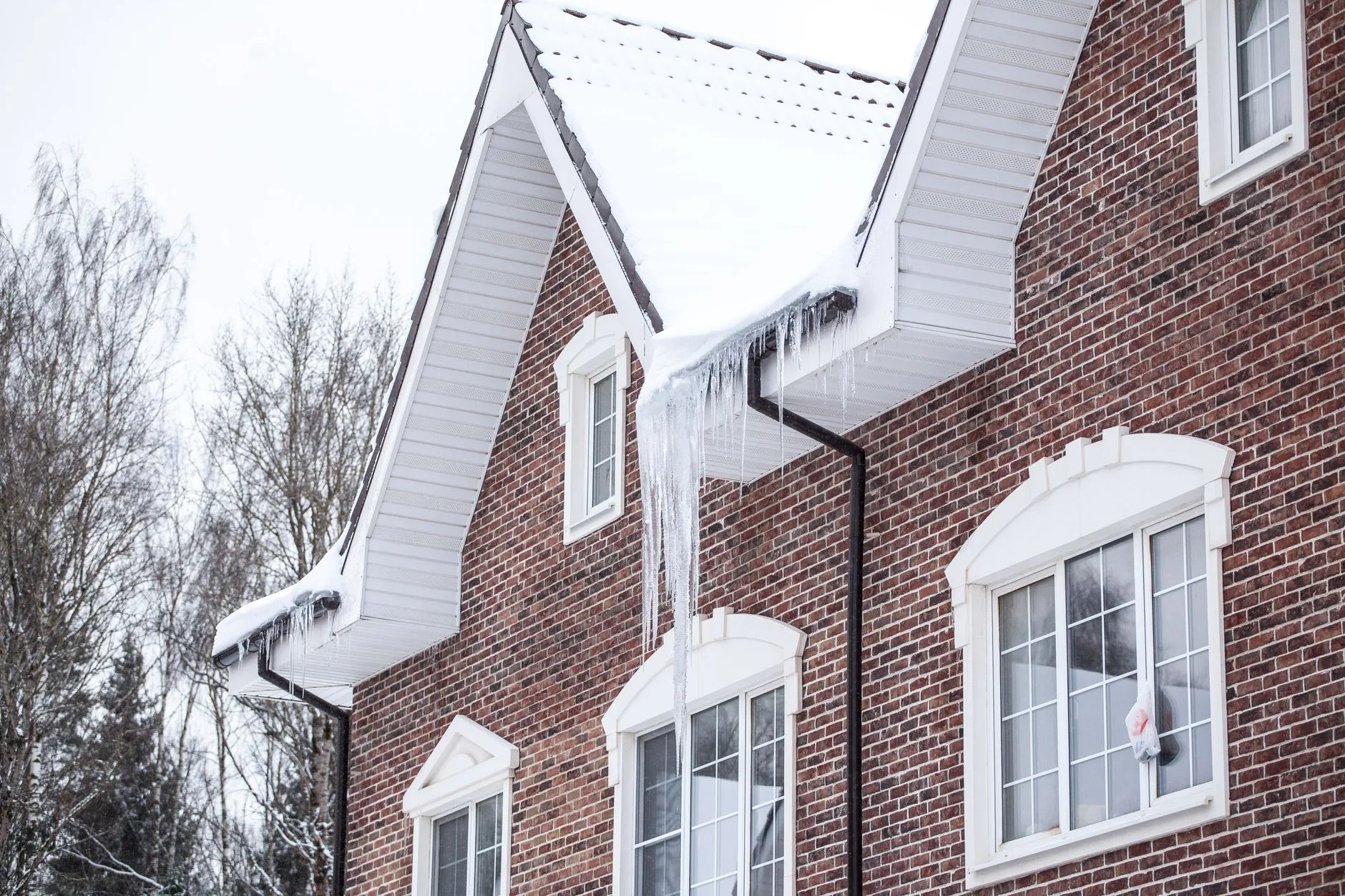
Ice dams are the single most common winter roofing problem across Northeast Ohio, and they're largely preventable once you understand the actual mechanism causing them.

Cleveland winters test a roof harder than almost any other season. These practical steps help you catch problems early and avoid the most common winter roofing failures.

Storm damage brings out both legitimate local contractors and traveling crews chasing weather events. Here's how to tell the difference before you sign anything.

This single distinction in your homeowners policy can mean a difference of thousands of dollars in what you actually receive for a roof claim. Here's how each works.

Insurance coverage for a roof claim often comes down to how widespread the damage is and whether matching materials are still available — here's how that decision usually gets made.

Good documentation is the single biggest factor in how smoothly a roof insurance claim goes. Here's exactly what to capture and how to organize it.

Not every roof problem needs emergency tarping, but for active water intrusion, a properly installed tarp is the difference between a contained situation and a much worse one.

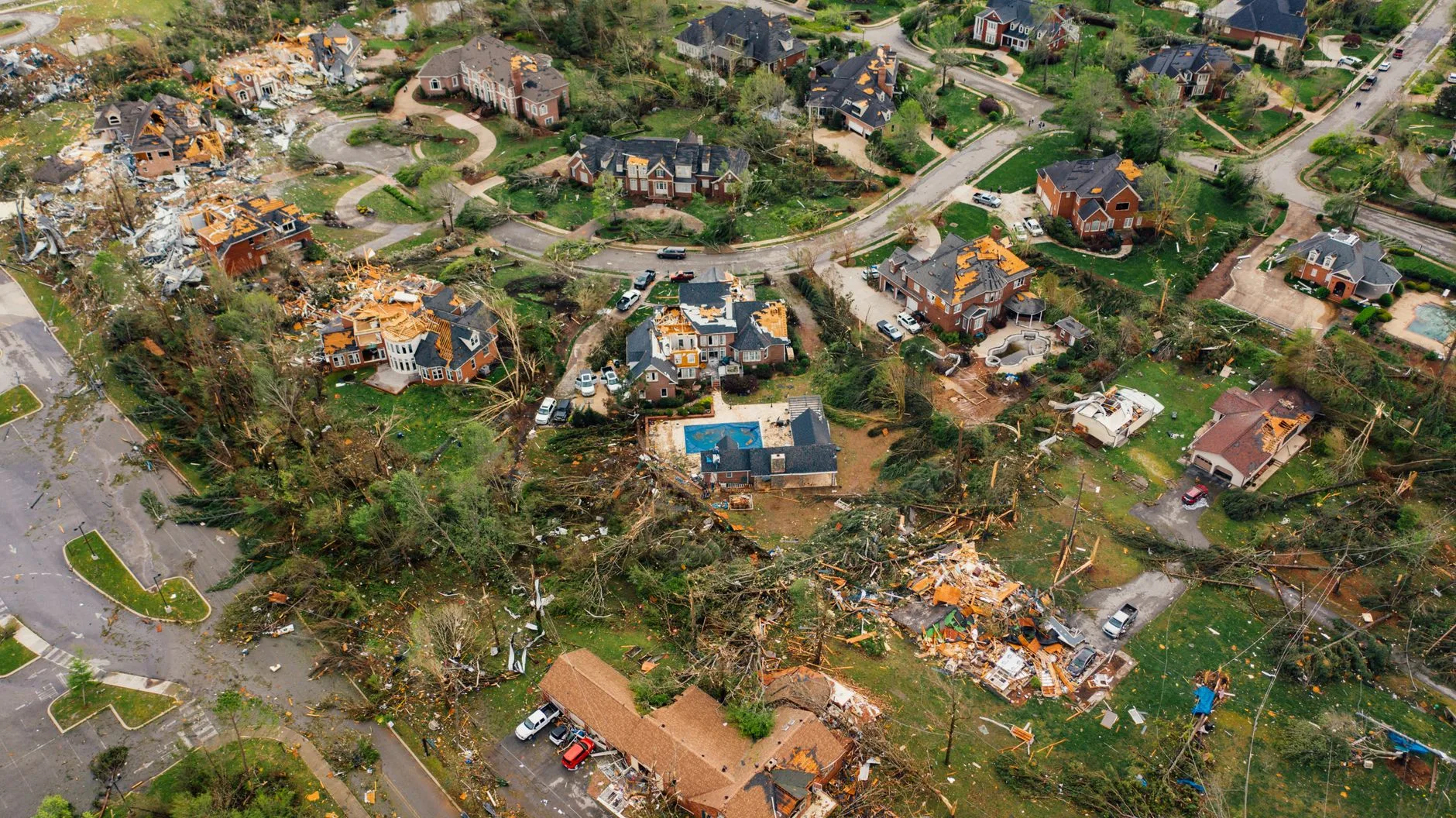
The steps you take in the first 24-48 hours after storm damage affect both your safety and how smoothly an insurance claim goes later. Here's the right order of operations.

Filing a roof insurance claim in Ohio follows a fairly predictable process — here's what typically happens at each stage and where homeowners can get the best outcome.

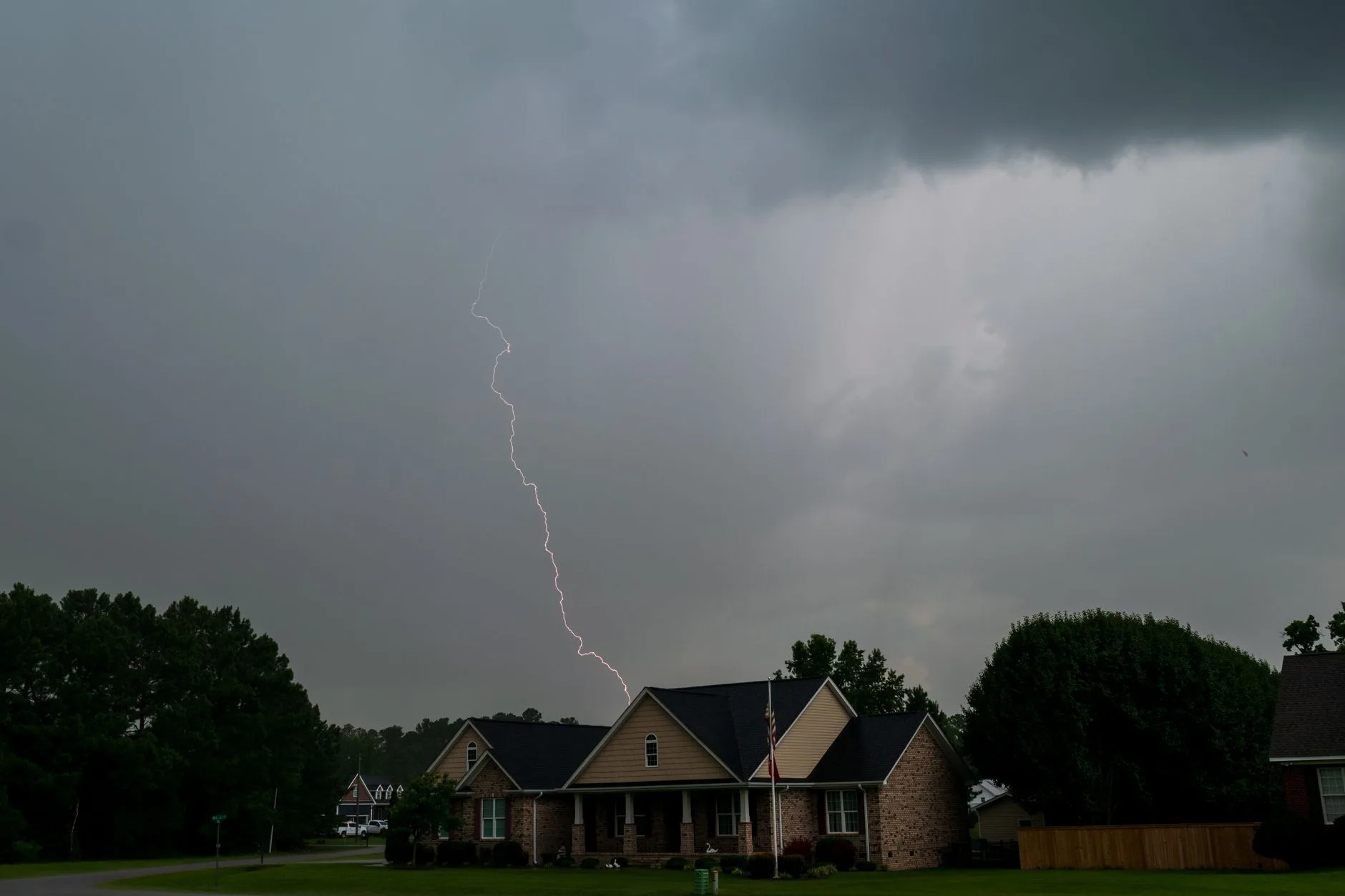
Ohio's storm patterns create specific, predictable wind damage on roofs — understanding the mechanics helps explain why some damage shows up where it does.

Hail damage rarely looks like the dramatic punctures people picture. Here's what it actually looks like on shingles, and why it's so often missed.

Attic mold rarely shows up randomly — it almost always traces back to a specific moisture source, and often that source is a ventilation or roofing issue, not just humid air.

Some granule loss is normal aging; a lot of it, especially concentrated or sudden, is a warning sign worth taking seriously. Here's how to tell the difference.

A sagging roofline is never purely cosmetic — it's a structural signal that needs a professional assessment, not a wait-and-see approach.

Flashing sits at every transition point on a roof, and that's exactly why it fails first. Here's how to recognize the specific flashing problems that cause most roof leaks.

Curling and cracking shingles are two of the clearest visual signs of an aging roof — here's what actually causes each and what they signal about remaining lifespan.

Certain roofing problems show up again and again across Cleveland's housing stock. Recognizing them early is the difference between a repair and a much bigger project.

A roof leak gives off warning signs well before a visible ceiling stain appears. Catching them early is the difference between a small repair and a major interior repair bill.

A roof rarely fails without warning. These are the signs — some obvious, some easy to miss — that point toward replacement rather than another patch.

Shingle color affects more than curb appeal — it interacts with heat absorption, algae resistance, and your home's specific architectural style. Here's how to choose well.

Metal roofing costs more upfront than asphalt shingles, but the math changes when you factor in lifespan, snow performance, and how long you plan to stay in your home.

Flat roofs need a membrane system, not shingles. Here's how TPO, EPDM, and modified bitumen actually compare for Cleveland's climate and drainage demands.

3-tab and architectural shingles look different and perform very differently — here's what actually separates them and why the choice matters more in our climate.

Standing-seam metal roofing sheds snow, resists wind, and lasts decades — but it isn't the right fit for every home or budget. Here's the honest breakdown.

Cleveland's climate rewards specific material choices — wind-rated shingles, snow-shedding metal, and proper membrane systems on flat sections. Here's how they compare.

Architectural asphalt shingles typically last 20-30 years in Cleveland's climate, but ventilation, installation quality, and storm history can move that number significantly.

Metal and asphalt shingles both perform well in Northeast Ohio when installed correctly — the right choice depends on budget, timeline, and how much ice-dam risk your home has faced.

The right call between repair and replacement depends on roof age, how widespread the damage is, and deck condition — not which option is more profitable for the contractor you called.

A roof replacement is a major expense most homeowners don't pay entirely out of pocket. Here's what to understand about financing options before you commit to one.

Most single-family roof replacements in Cleveland take one to two days once work begins, but the full process from inspection to completion runs longer. Here's what to expect.

Spring and fall are the busiest roofing seasons in Cleveland for good reason, but summer and even winter replacements are possible when the situation calls for it.

A written, itemized roof replacement estimate should spell out tear-off, materials, labor, permits, and disposal. Here's what to look for and what a vague quote is often hiding.

A practical cost guide covering material tiers, labor factors, and Ohio-specific permit and insurance considerations for Cleveland-area roof replacement.
Get a free, no-pressure inspection and written estimate from a local crew.