Our Work
Project Gallery
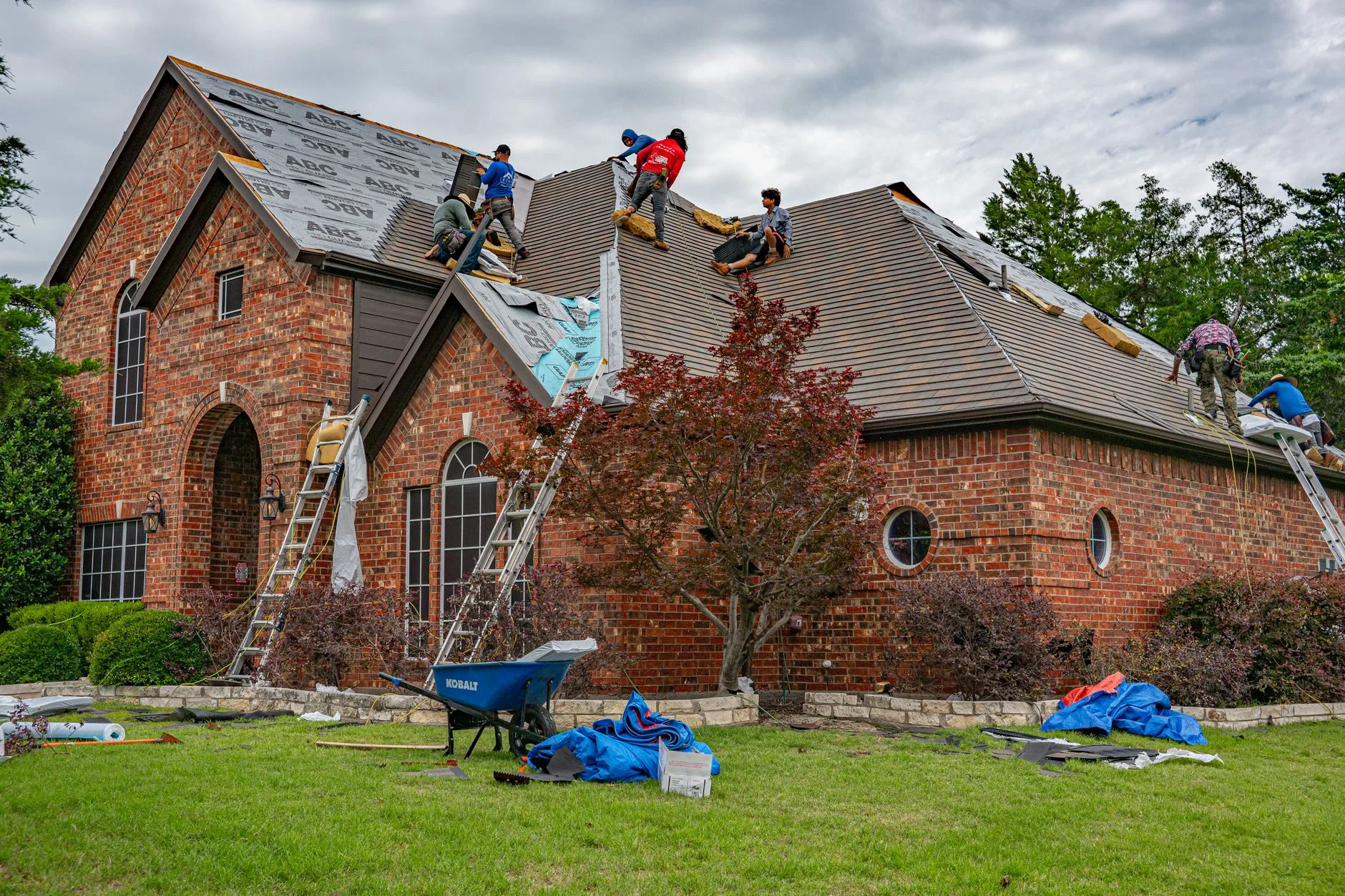
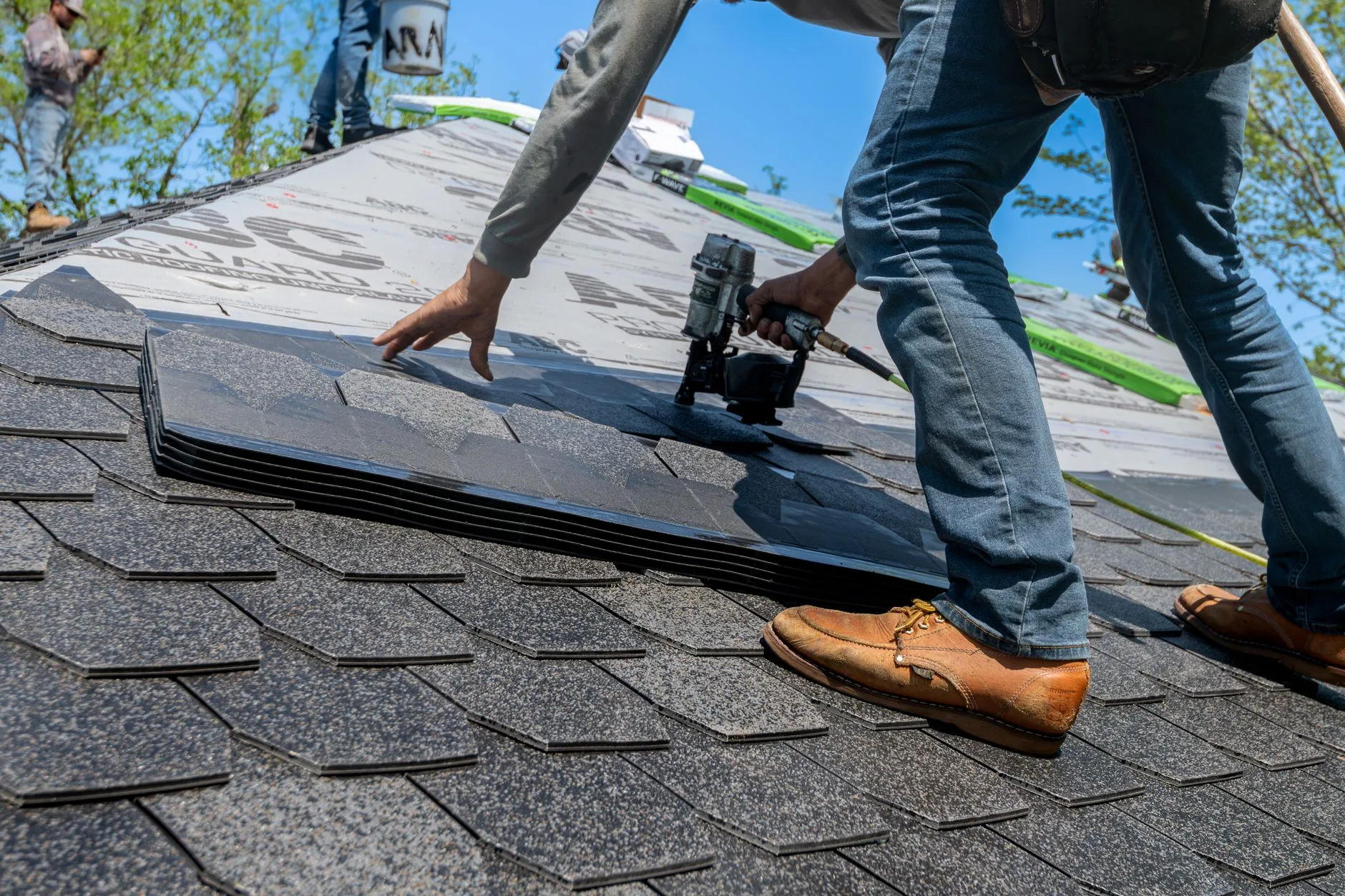
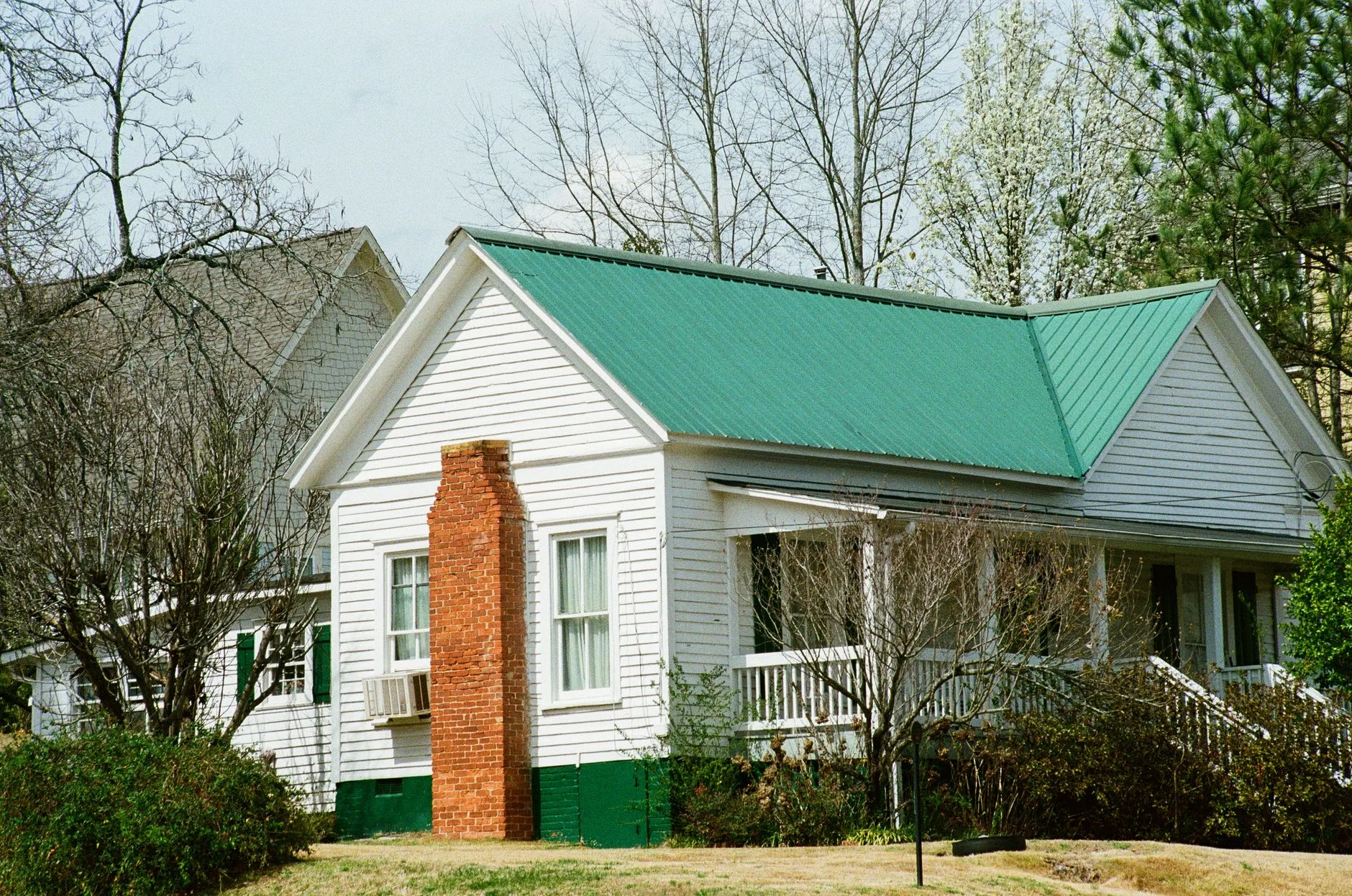
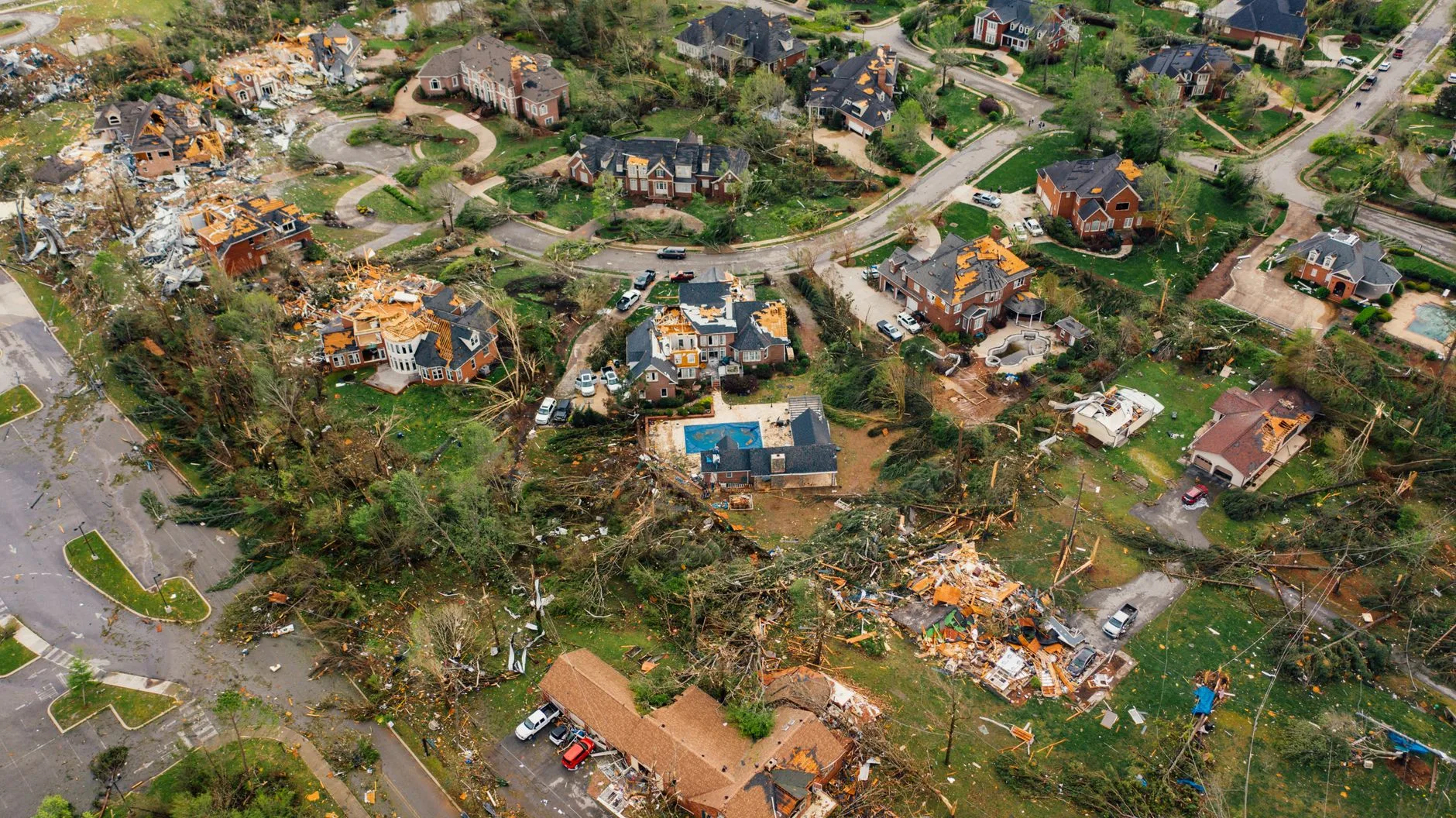
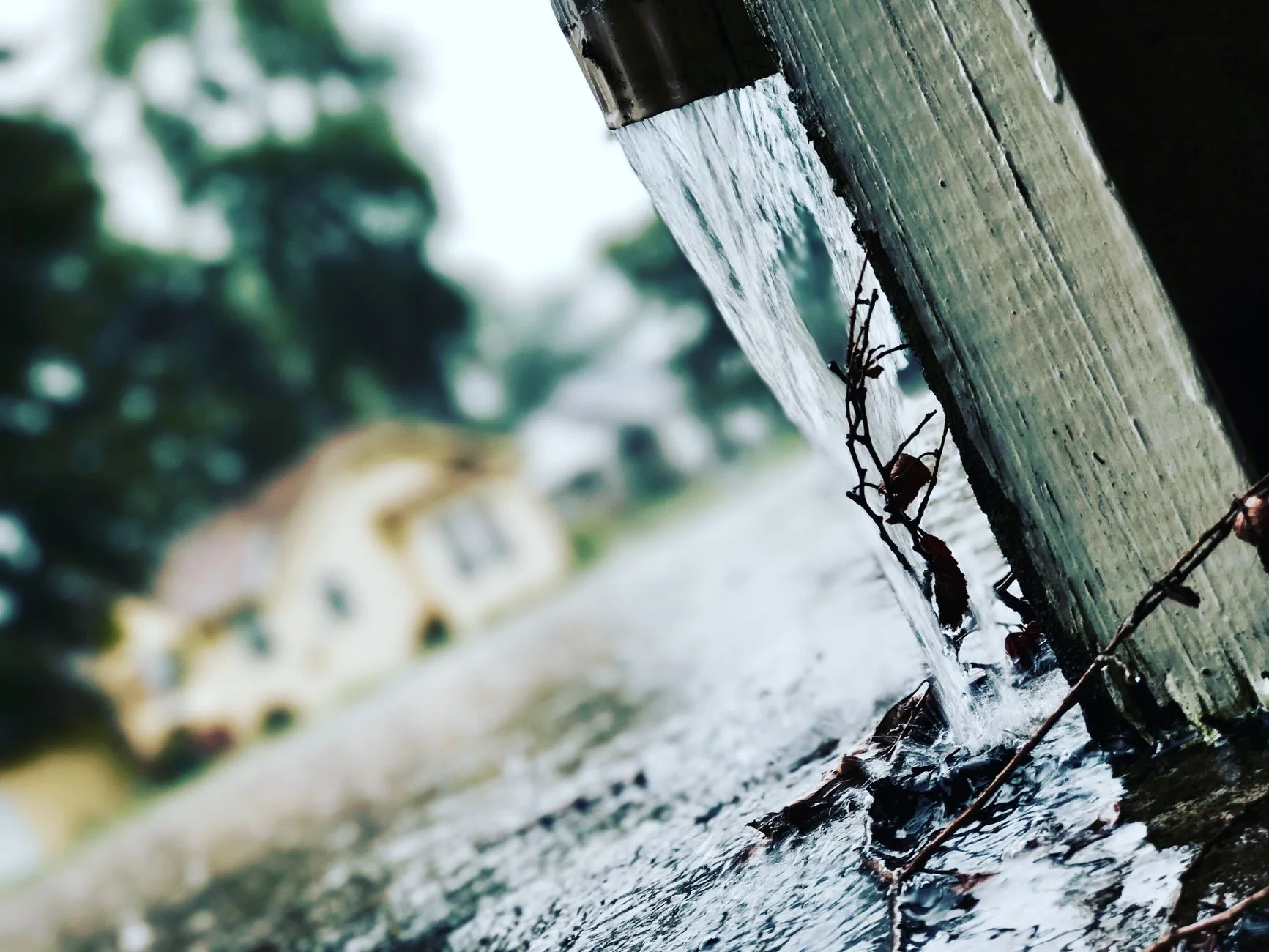
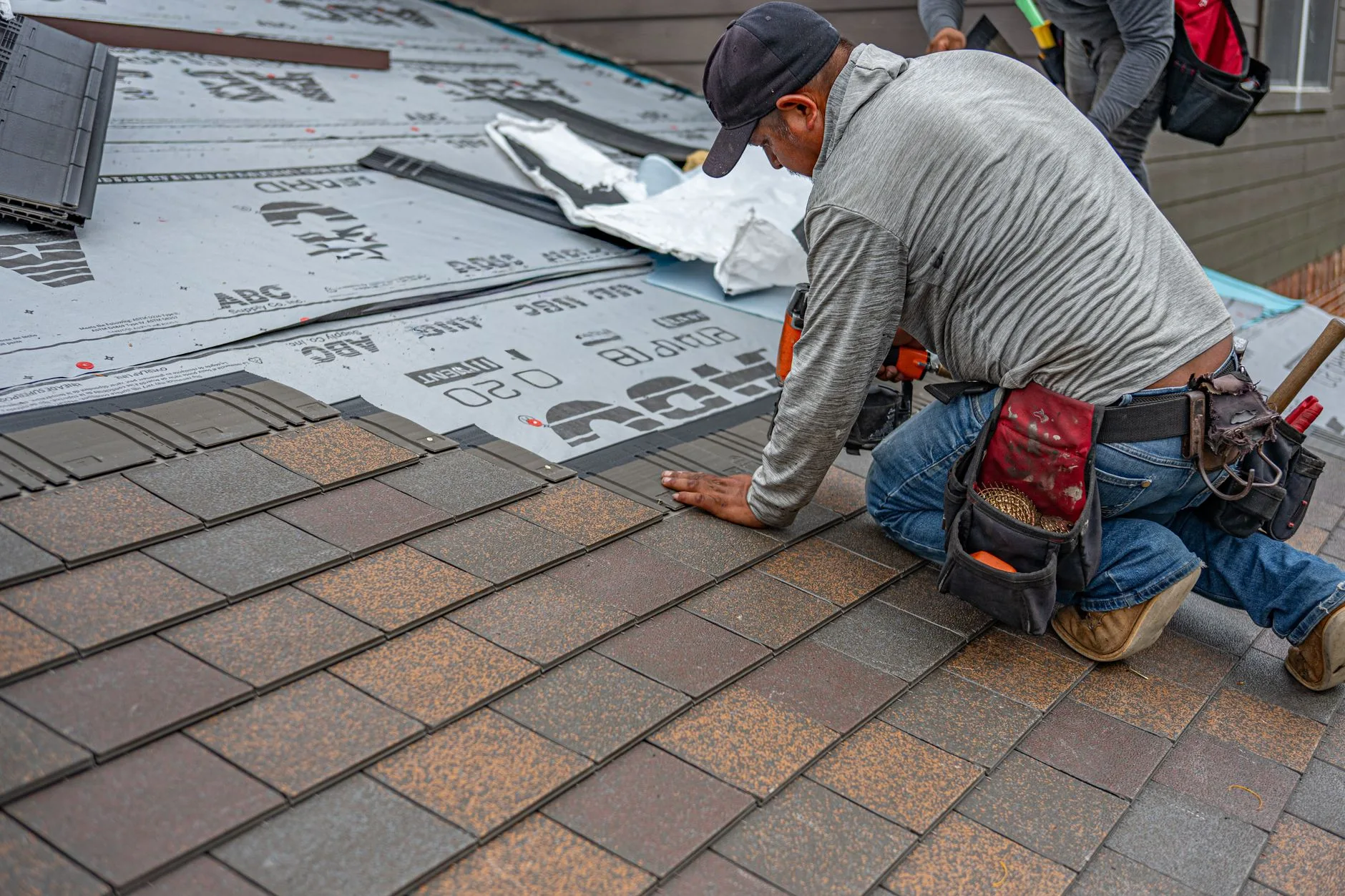
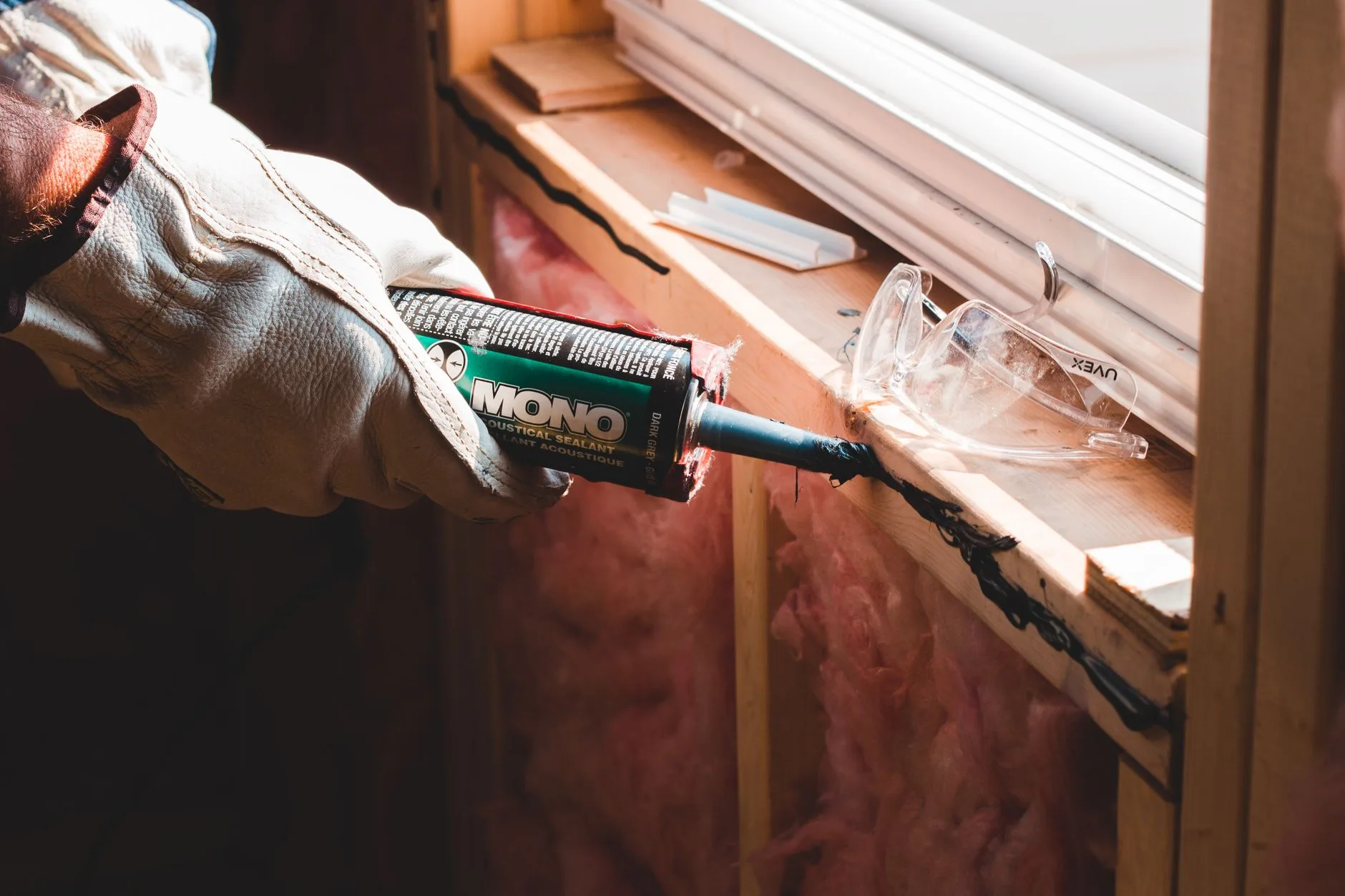
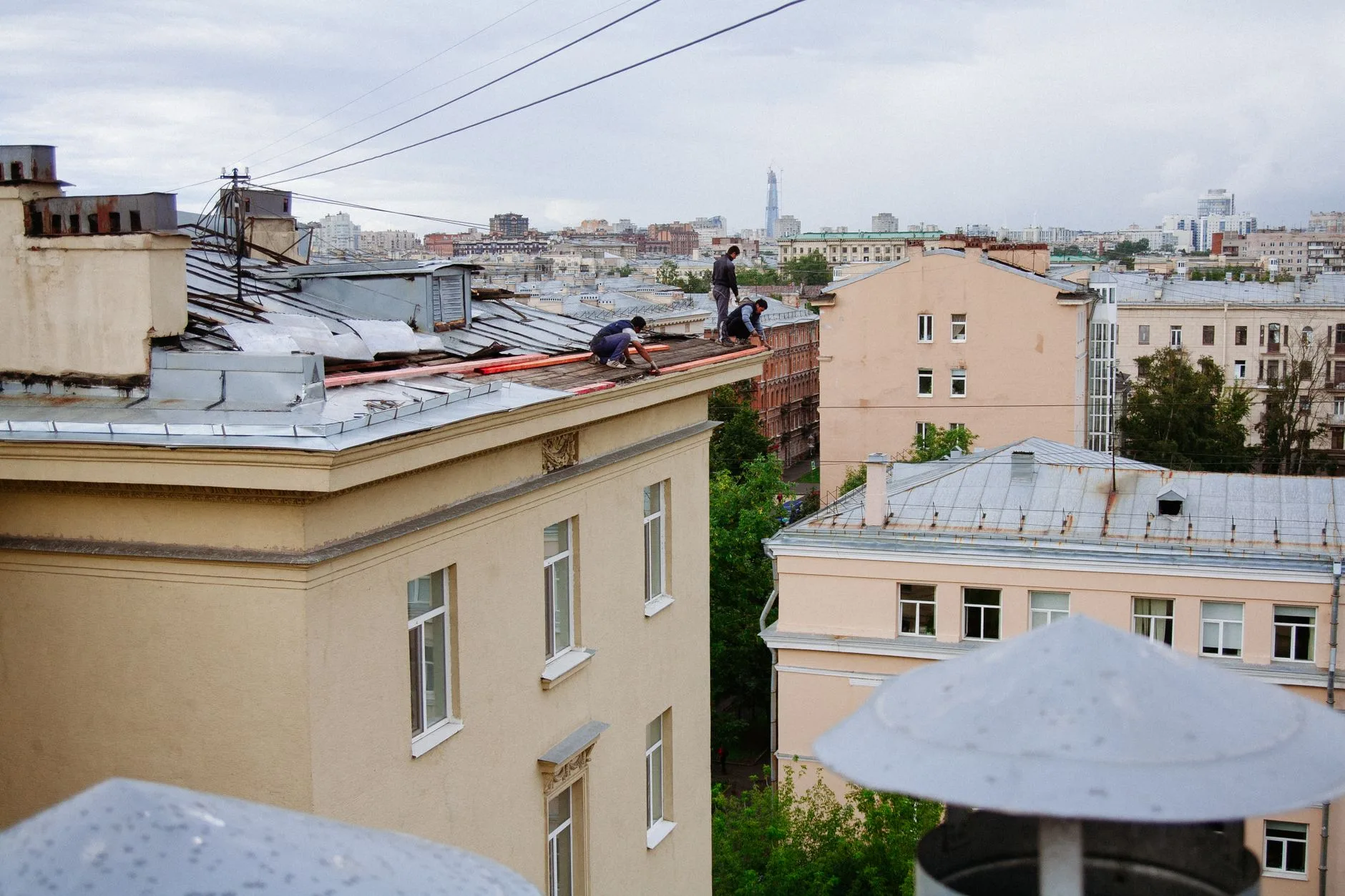
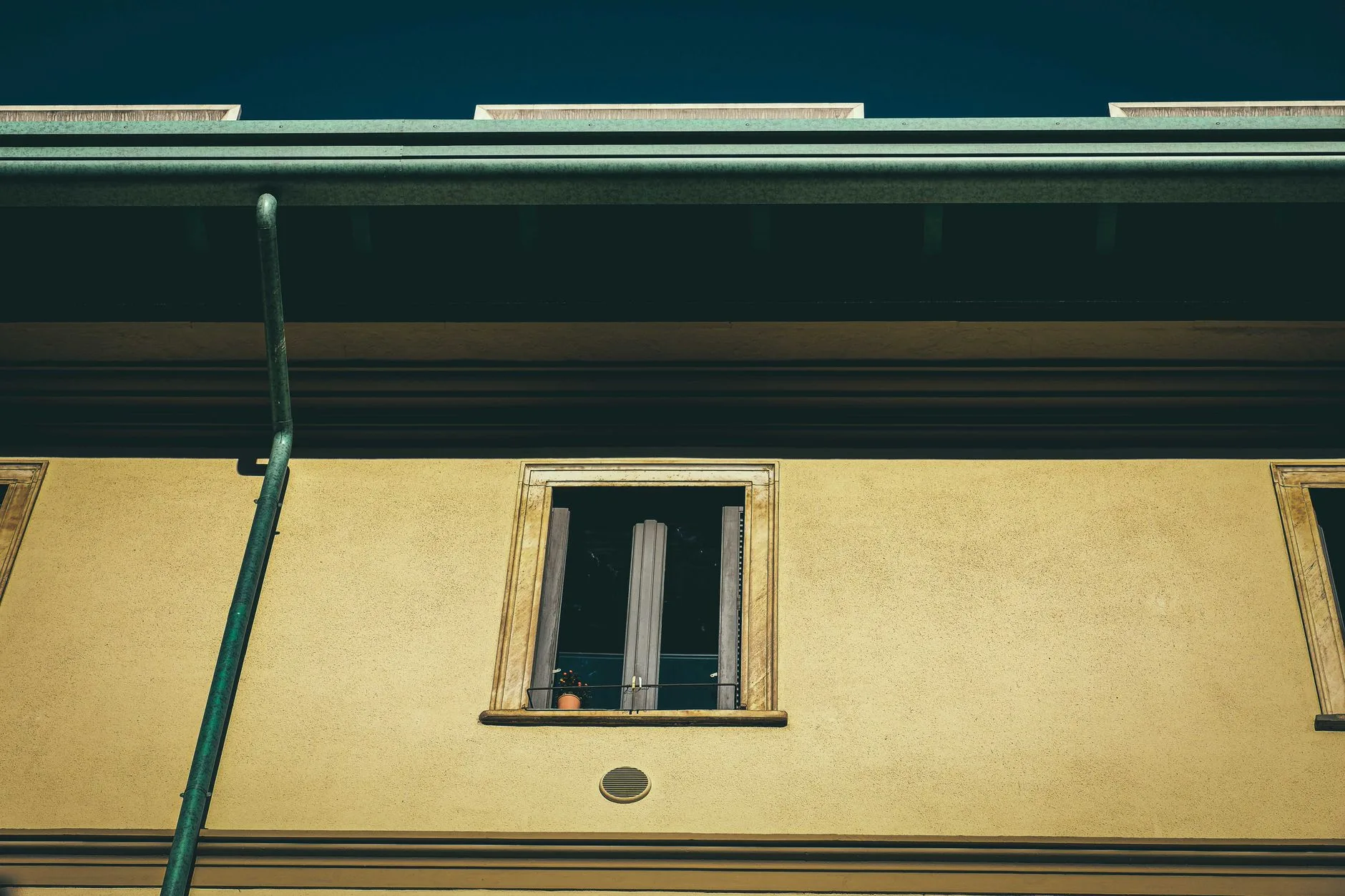
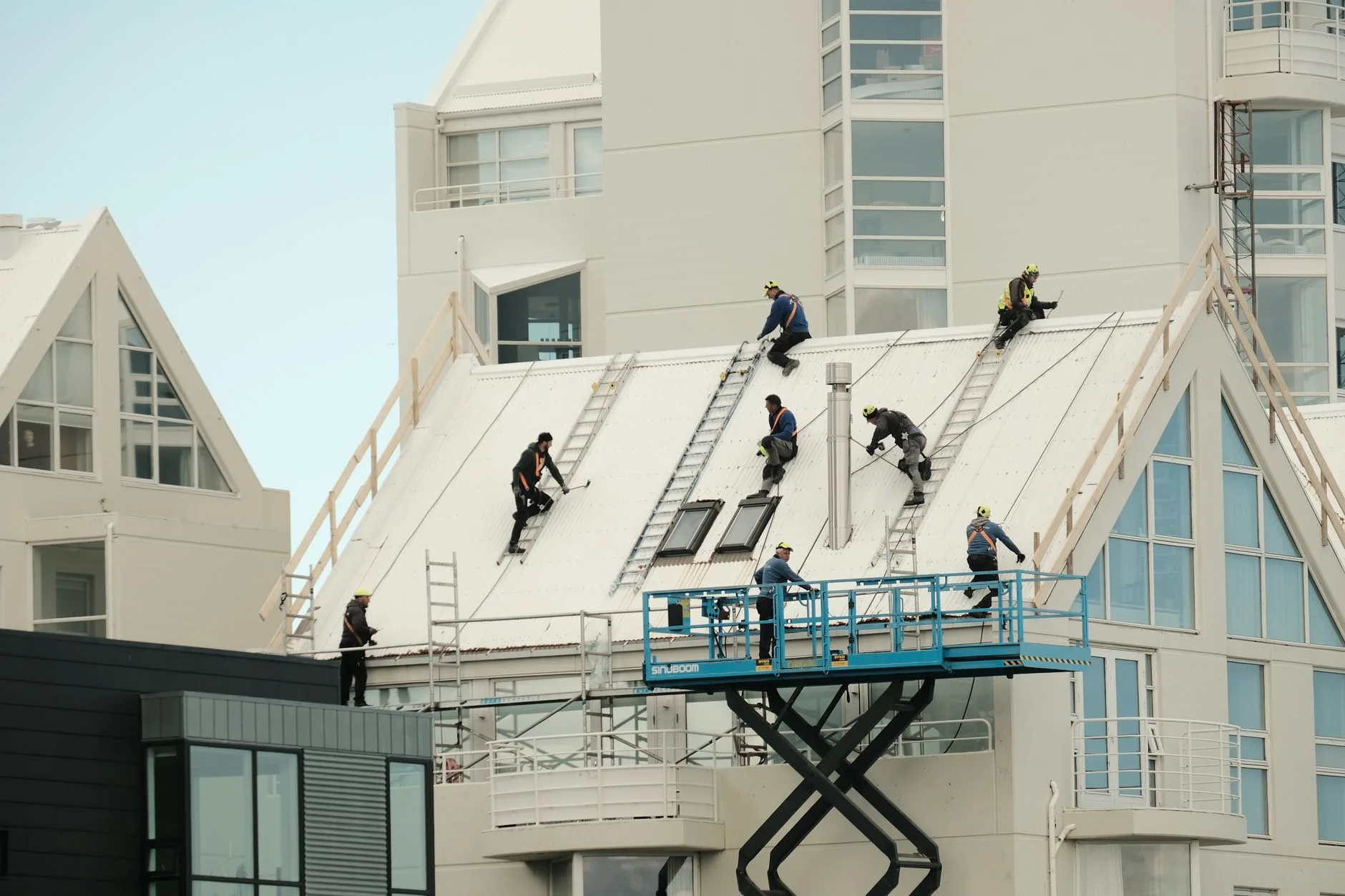
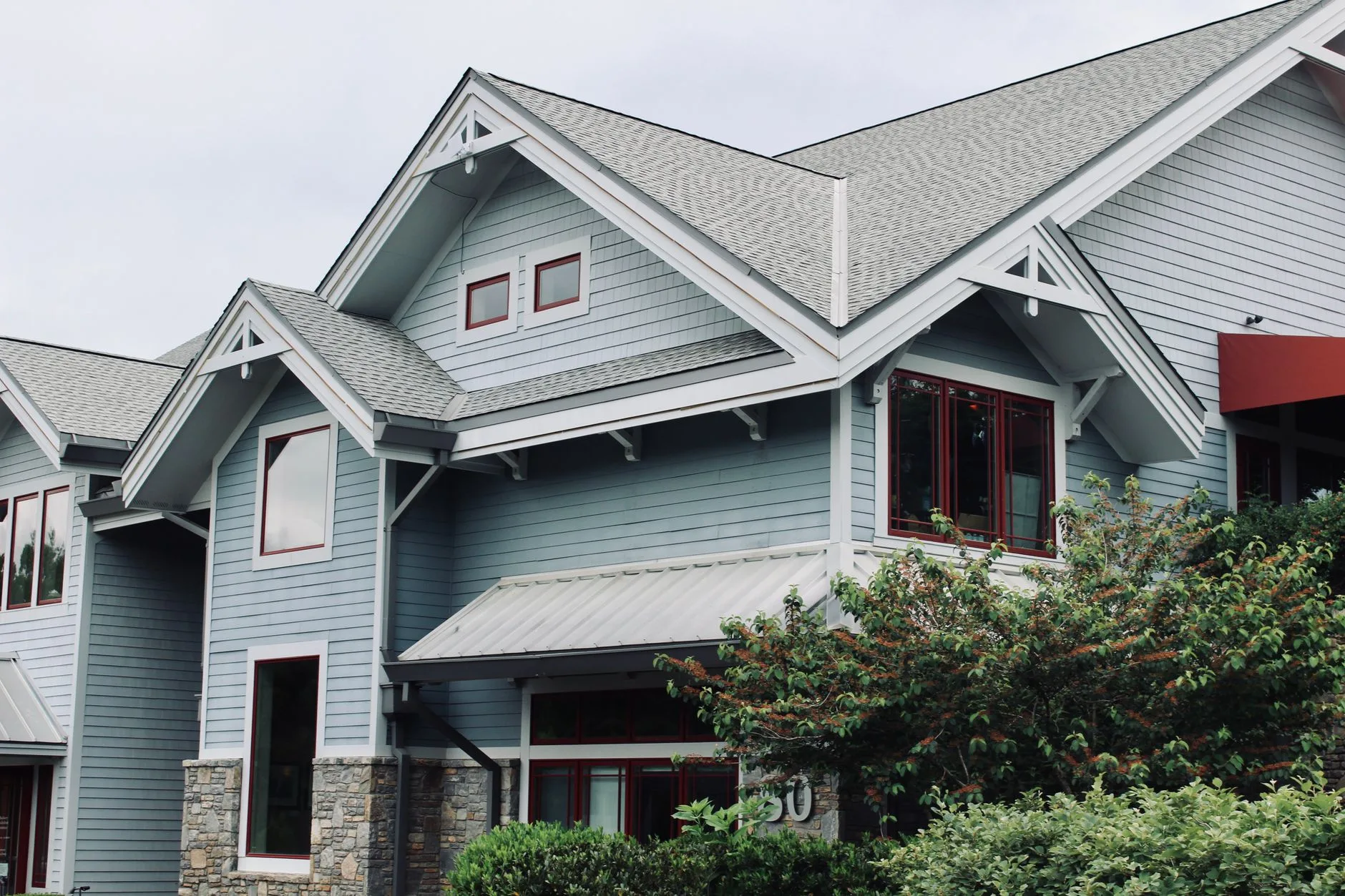
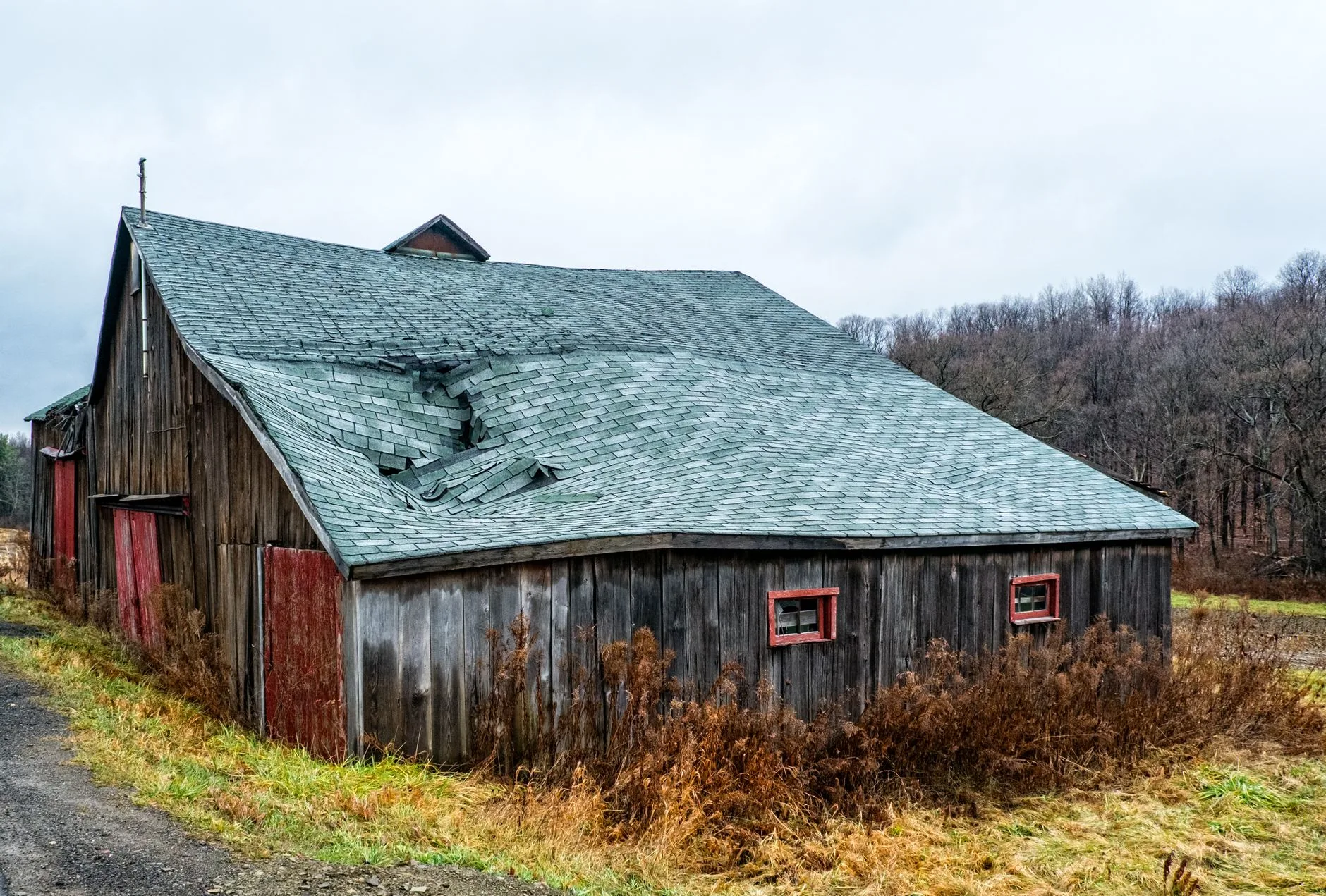
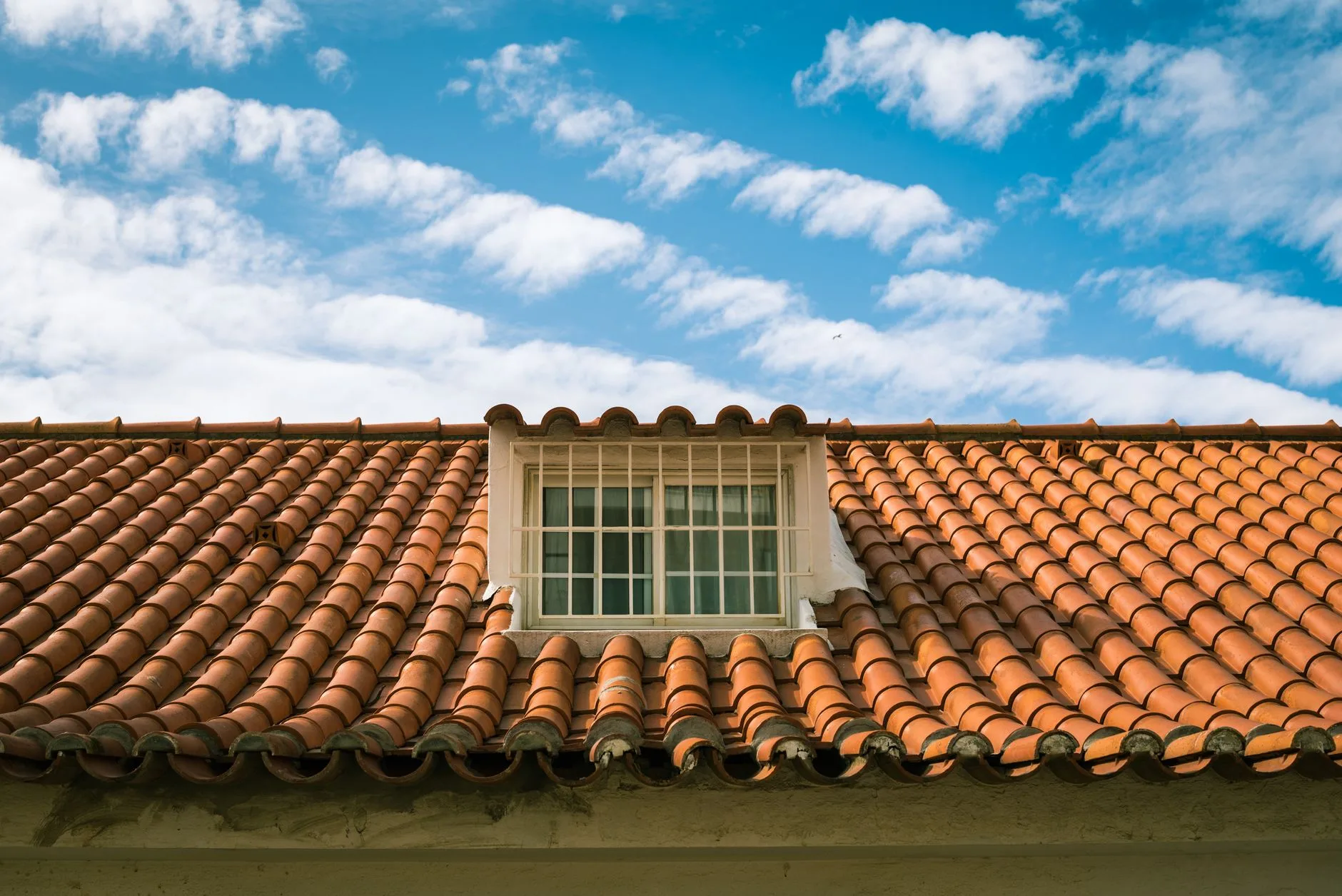
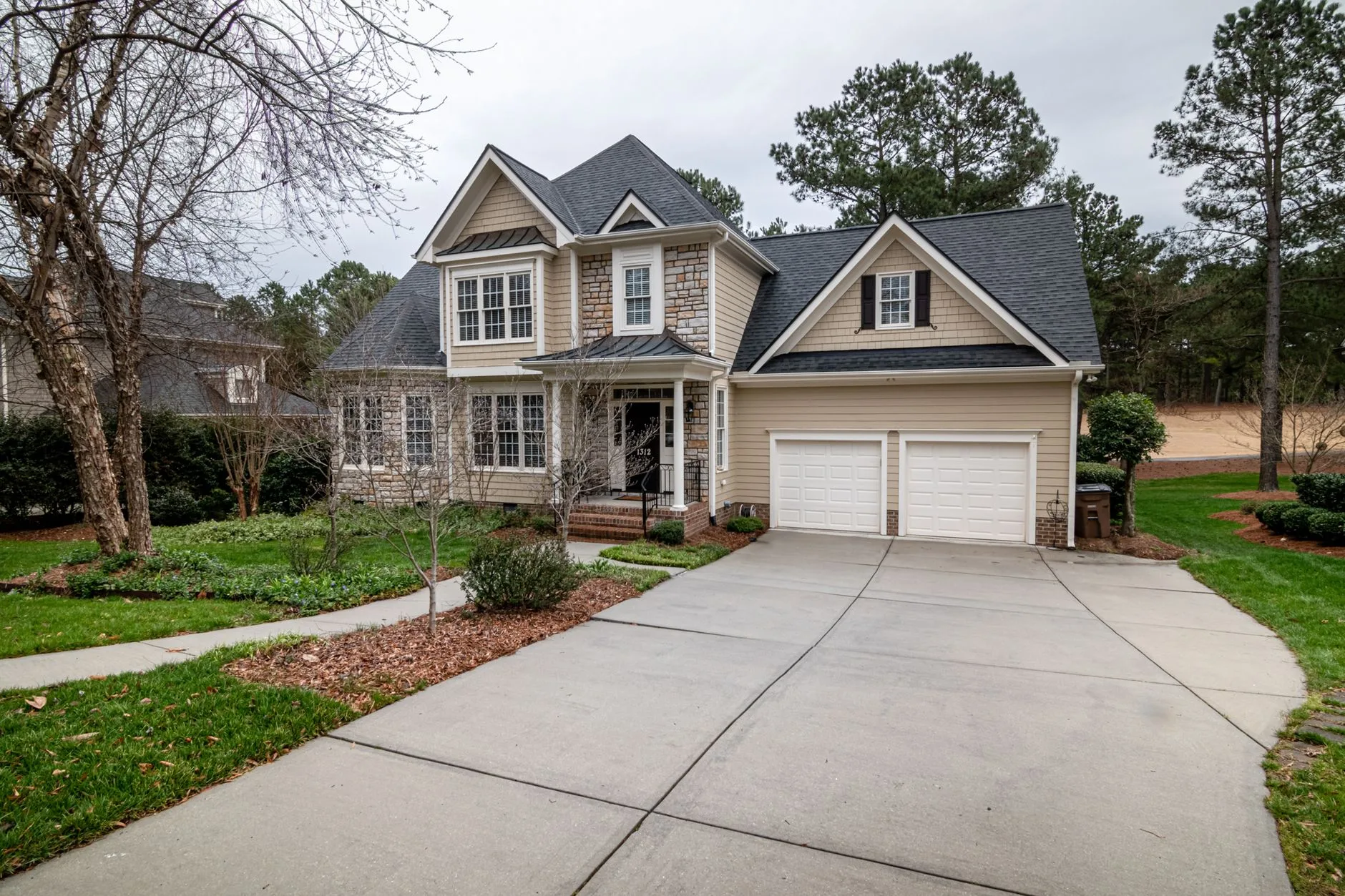
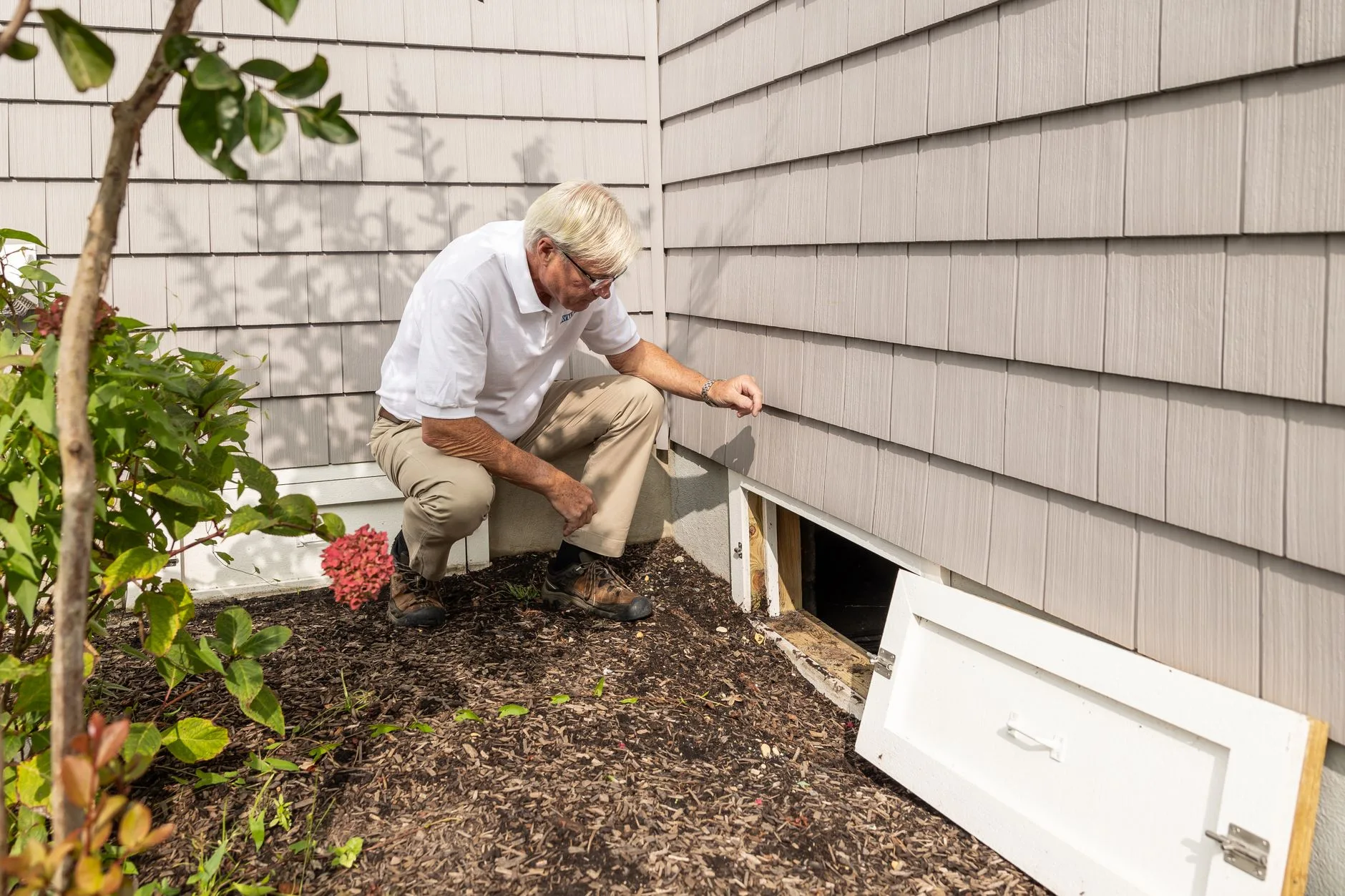
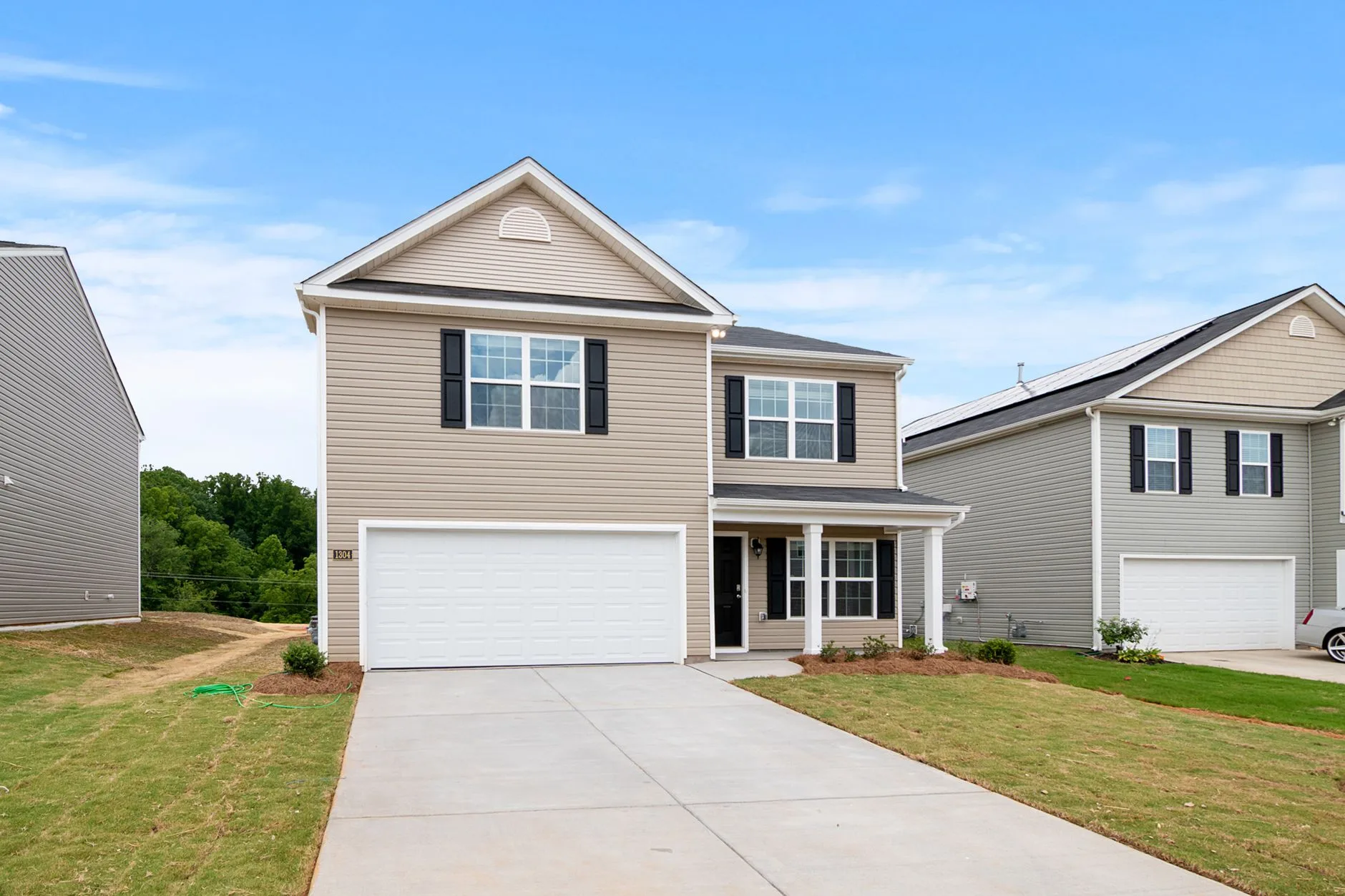
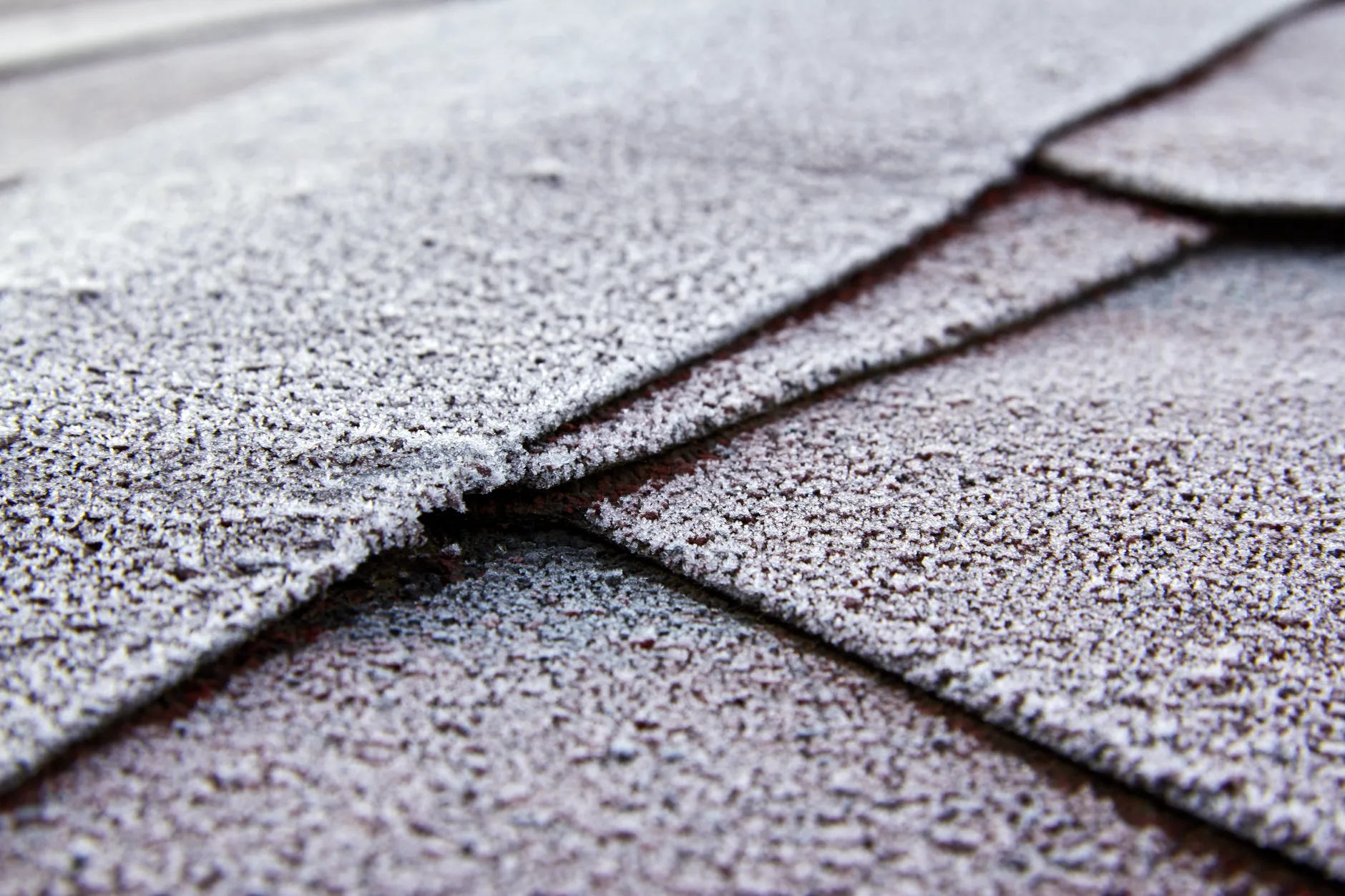
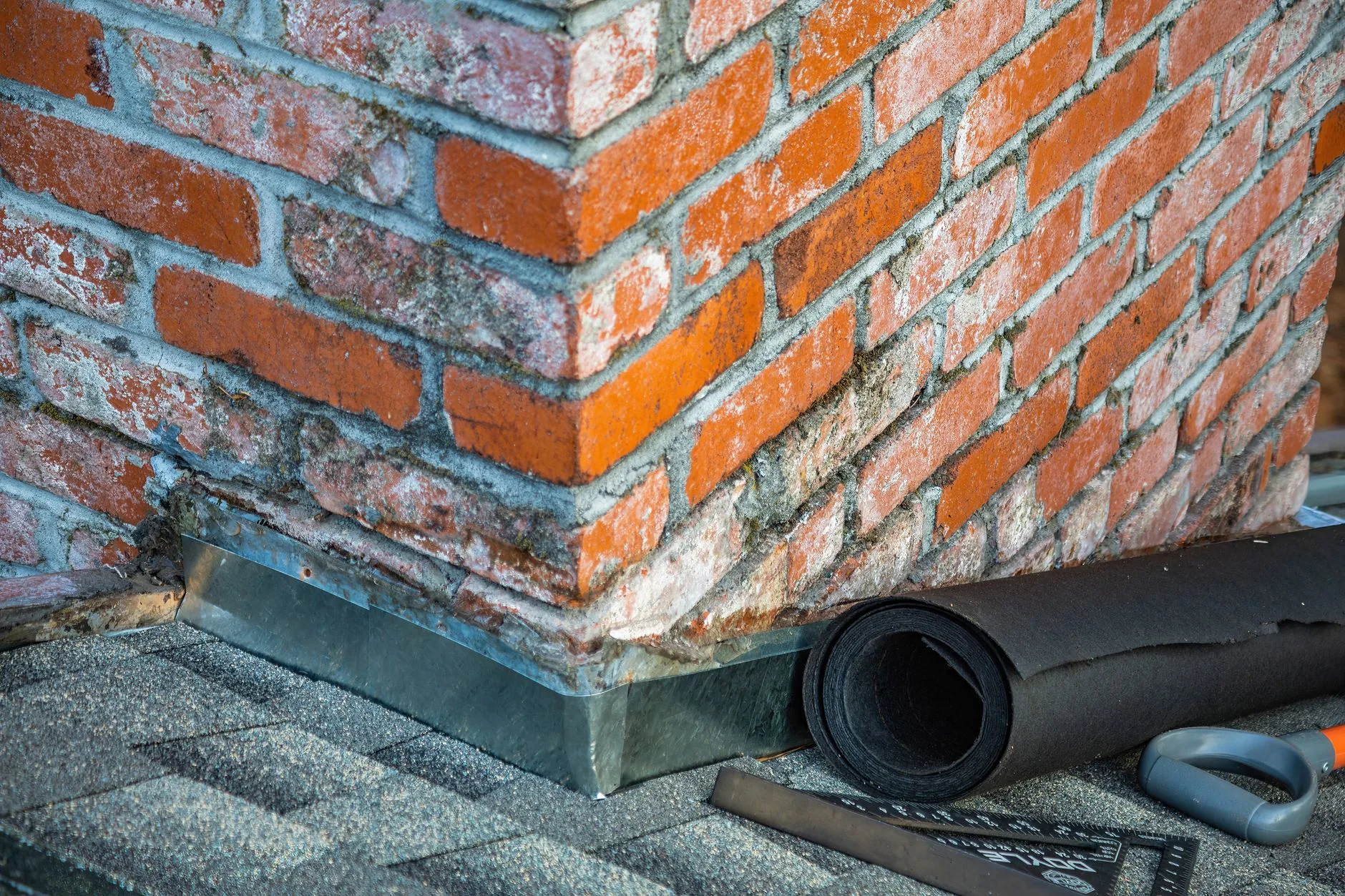
A look at recent roof replacements, repairs, metal roofing, and gutter installations across Cleveland and Northeast Ohio. Photos below are placeholders pending final asset delivery - each is labeled with the actual project it represents.




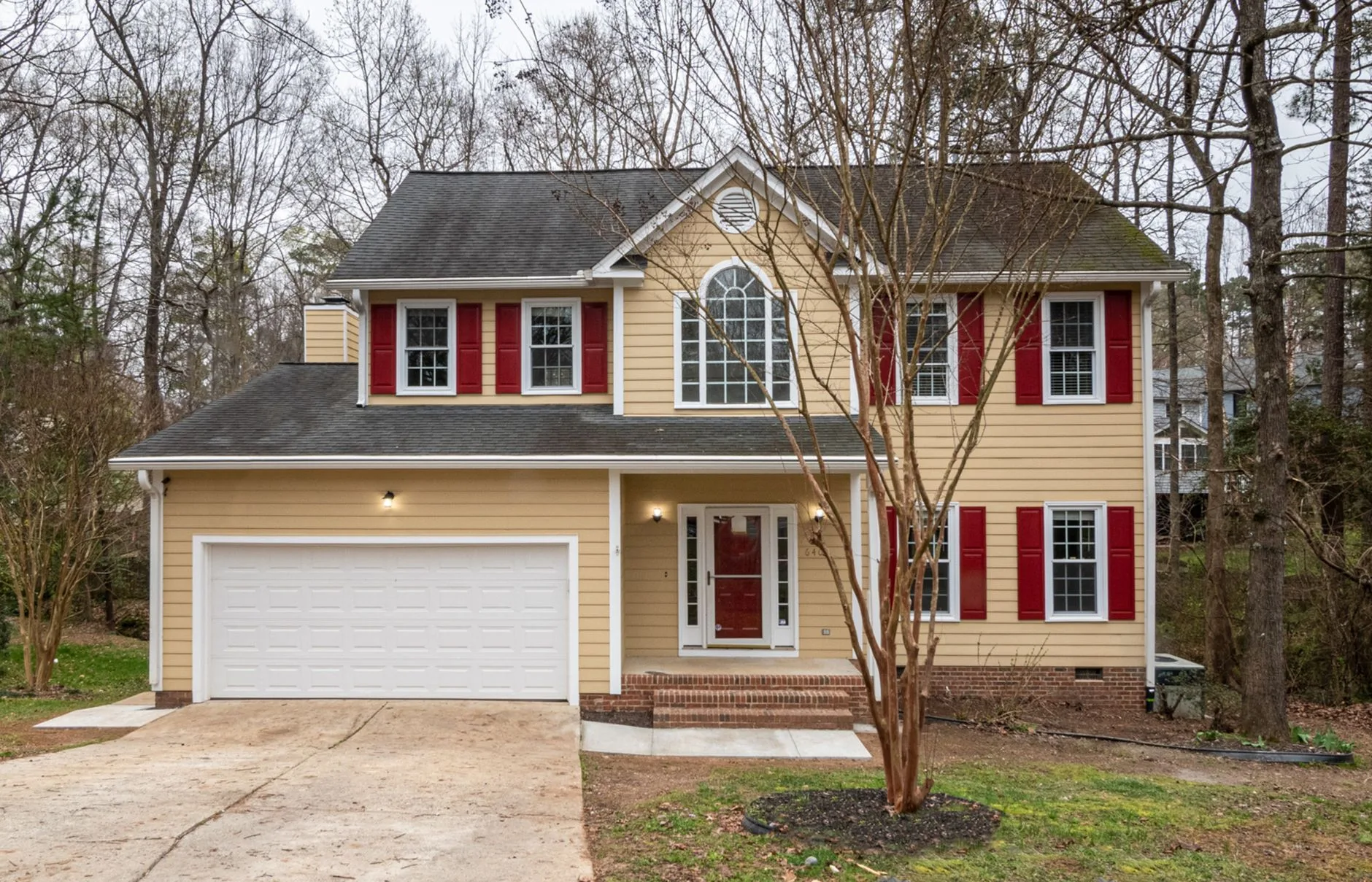
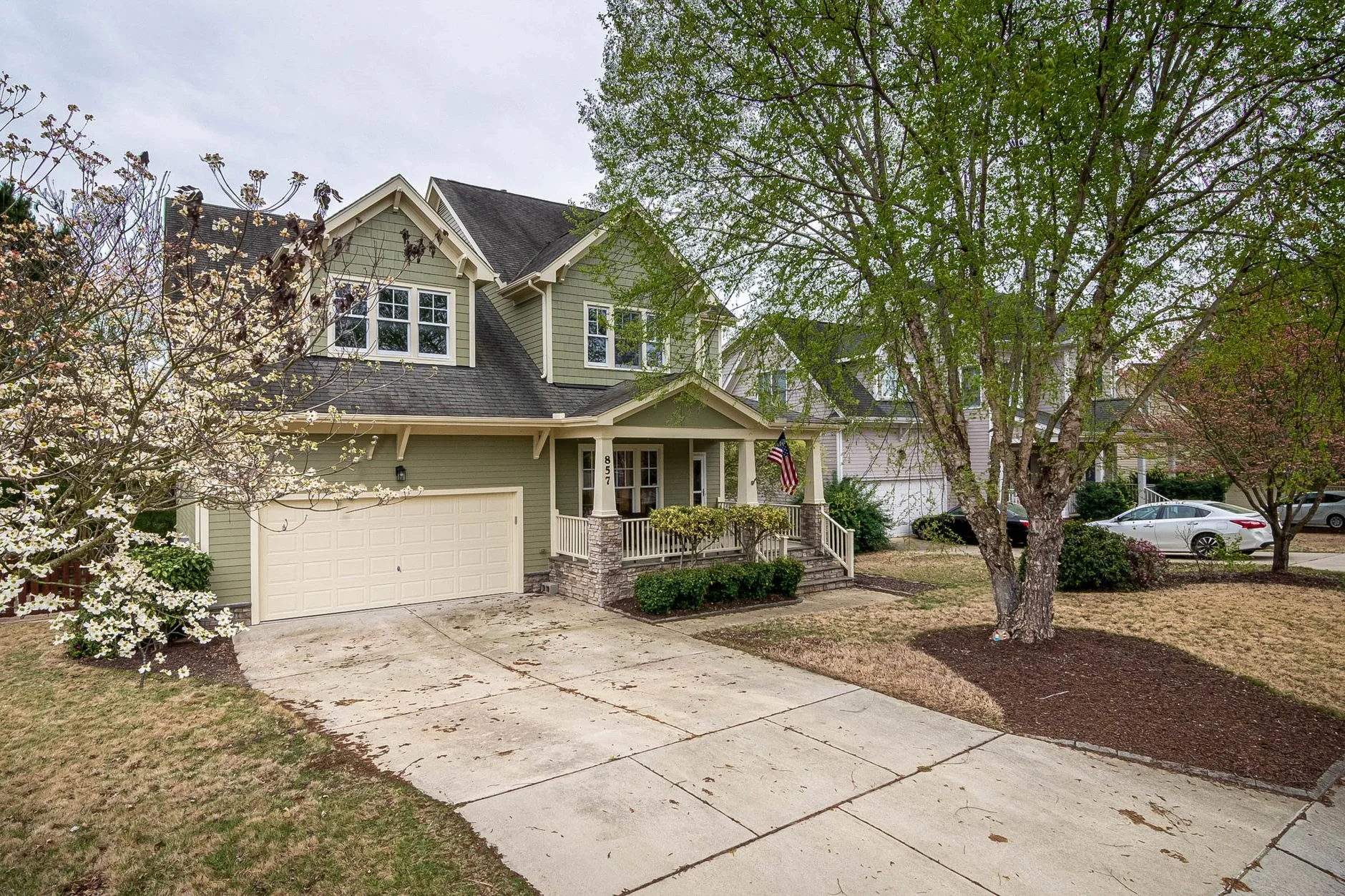
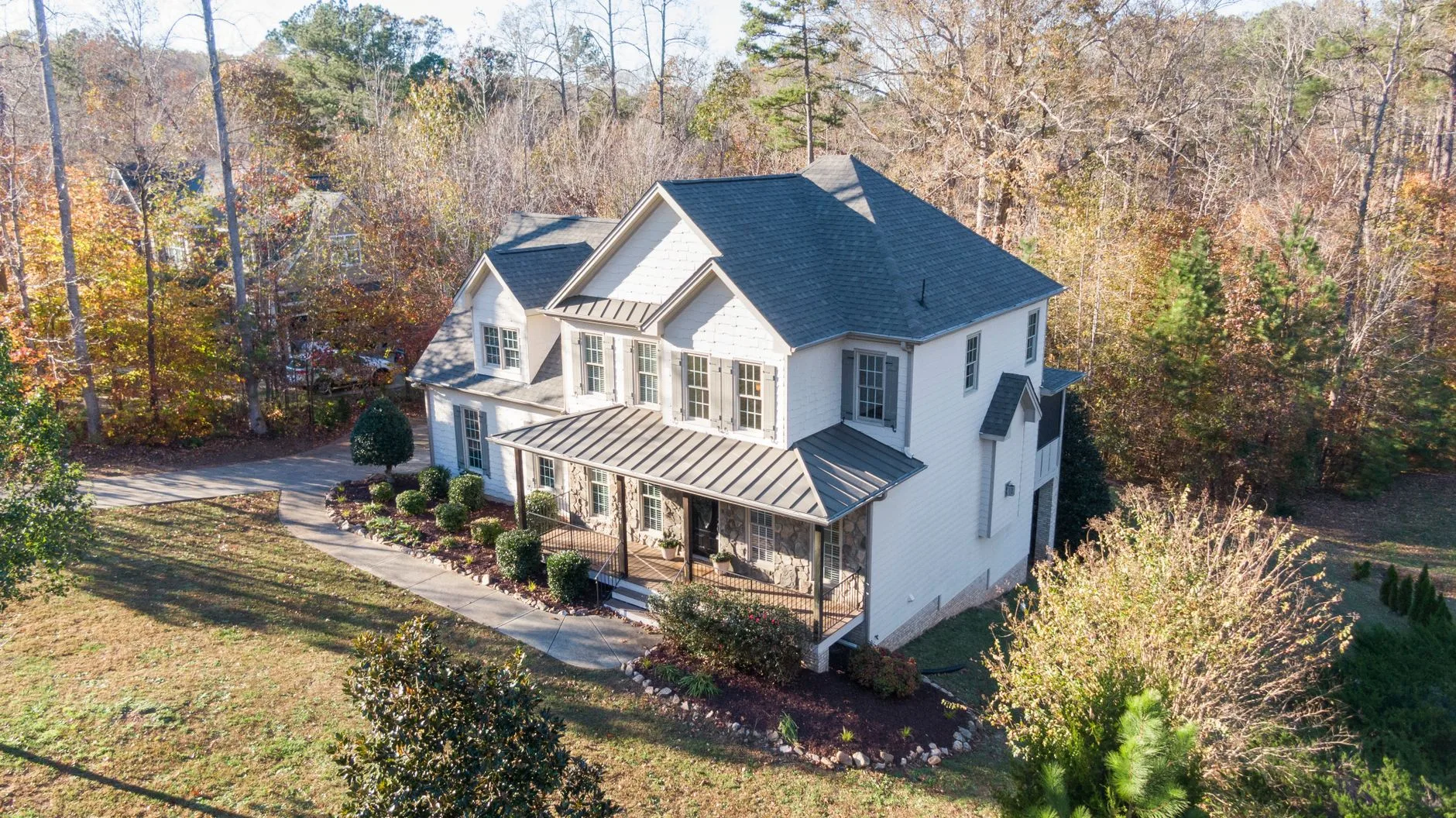
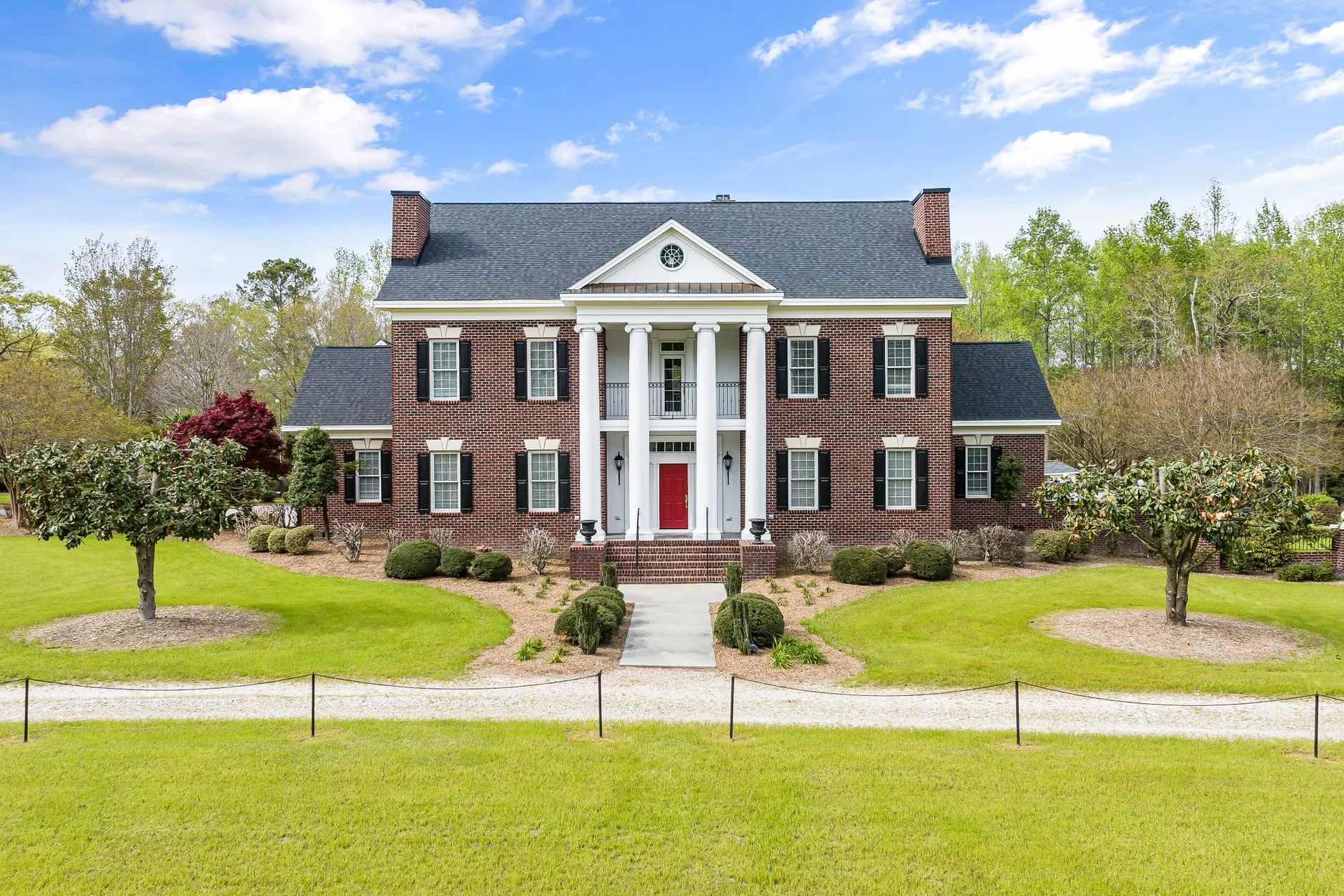
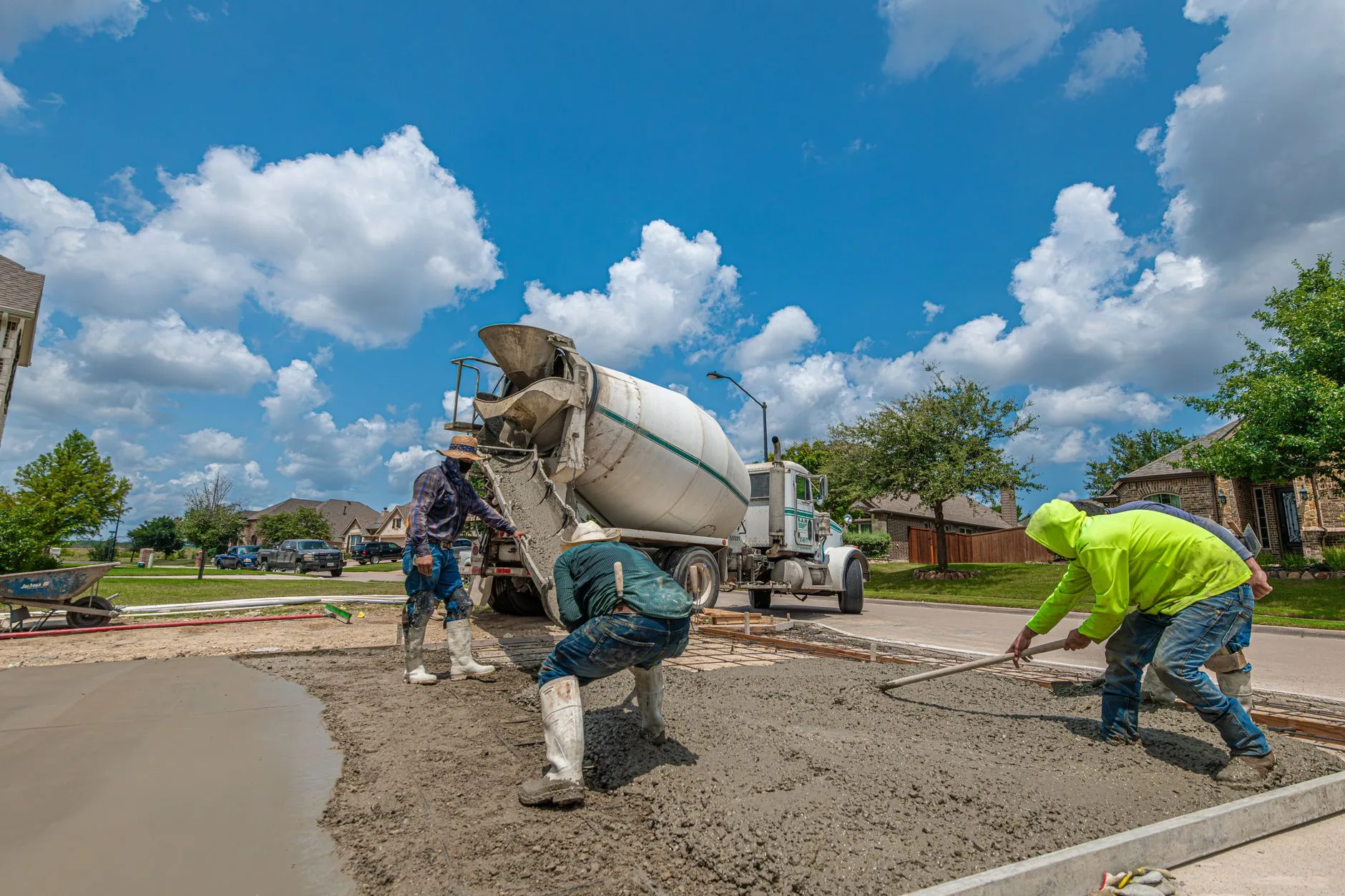
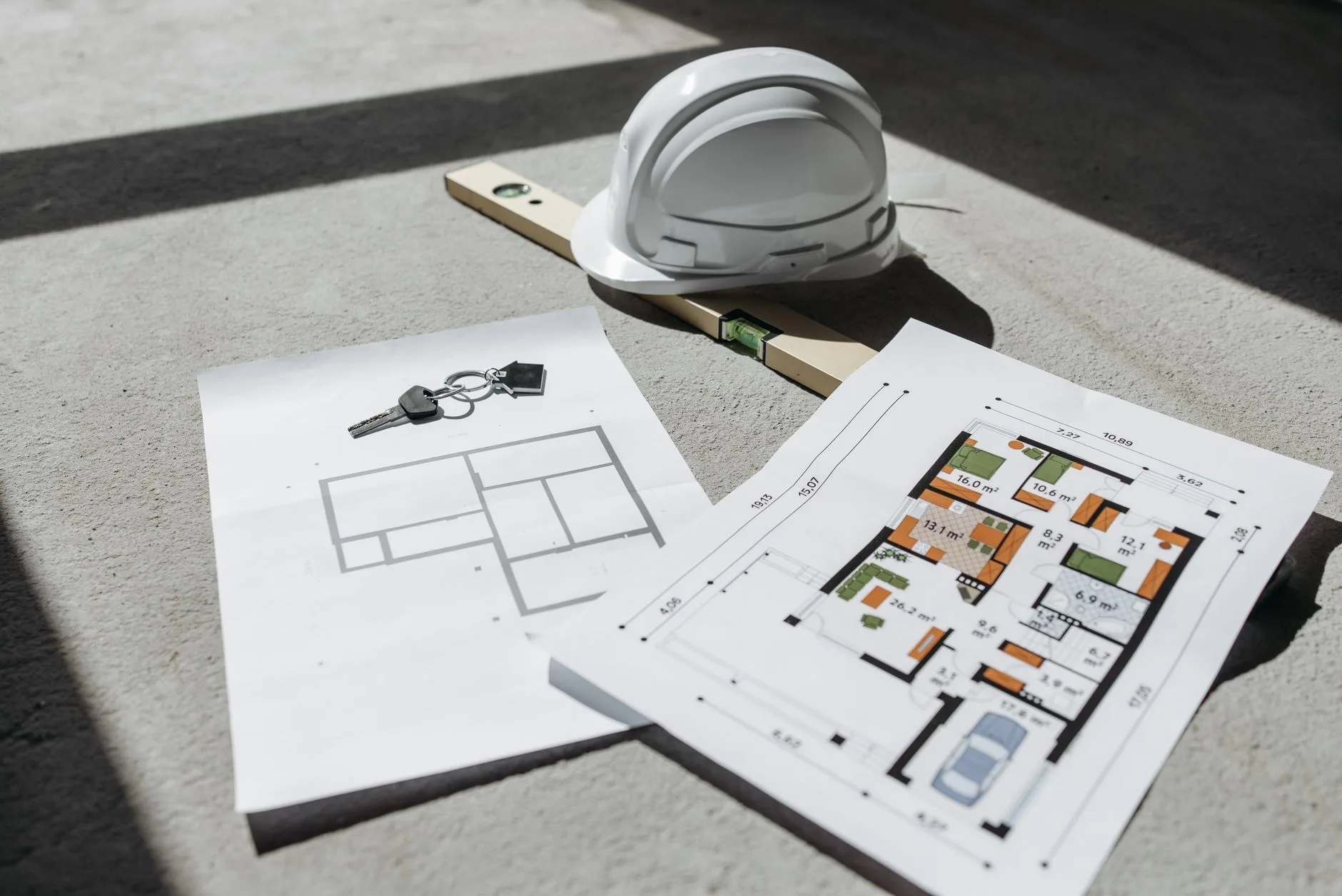
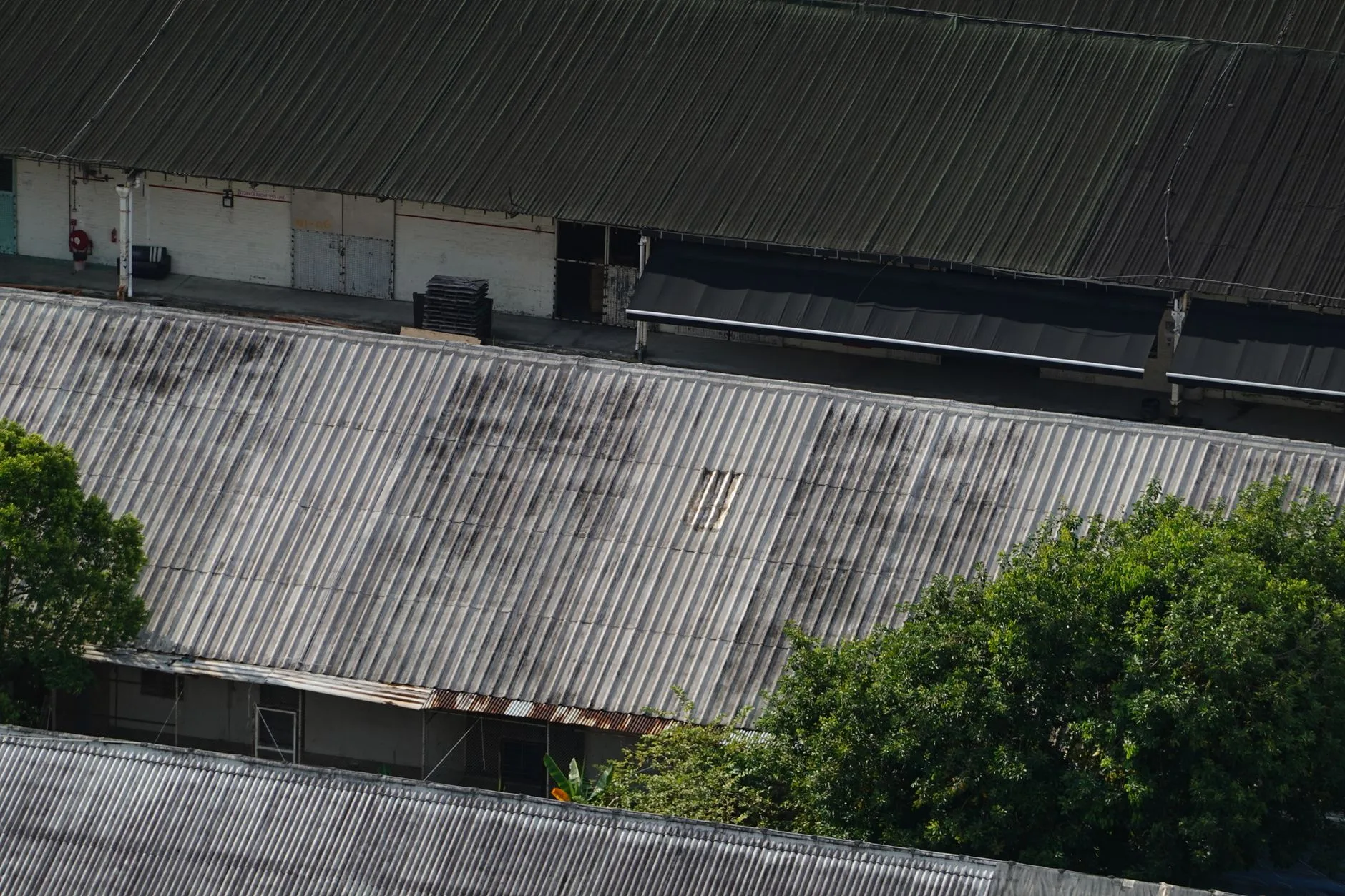
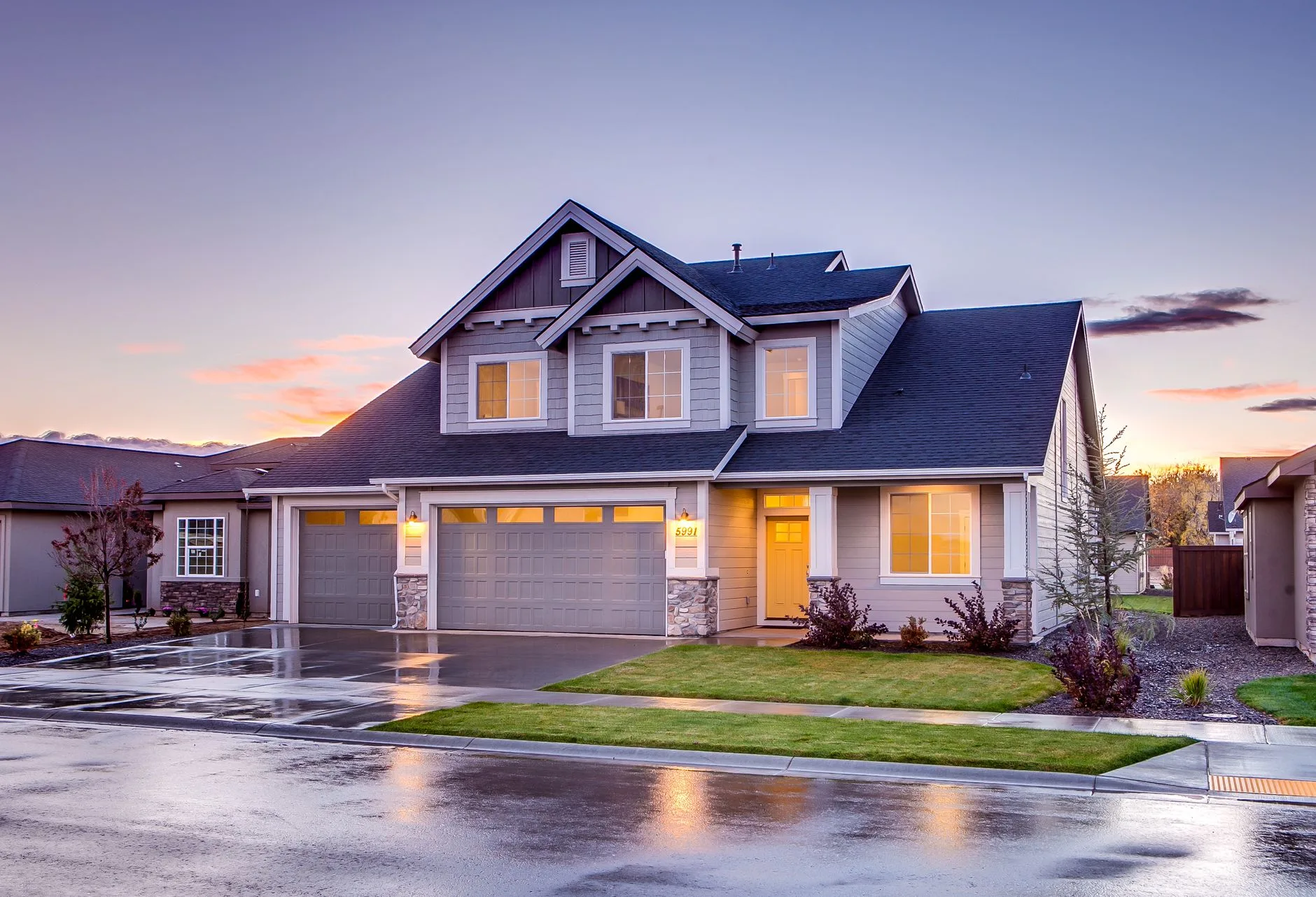
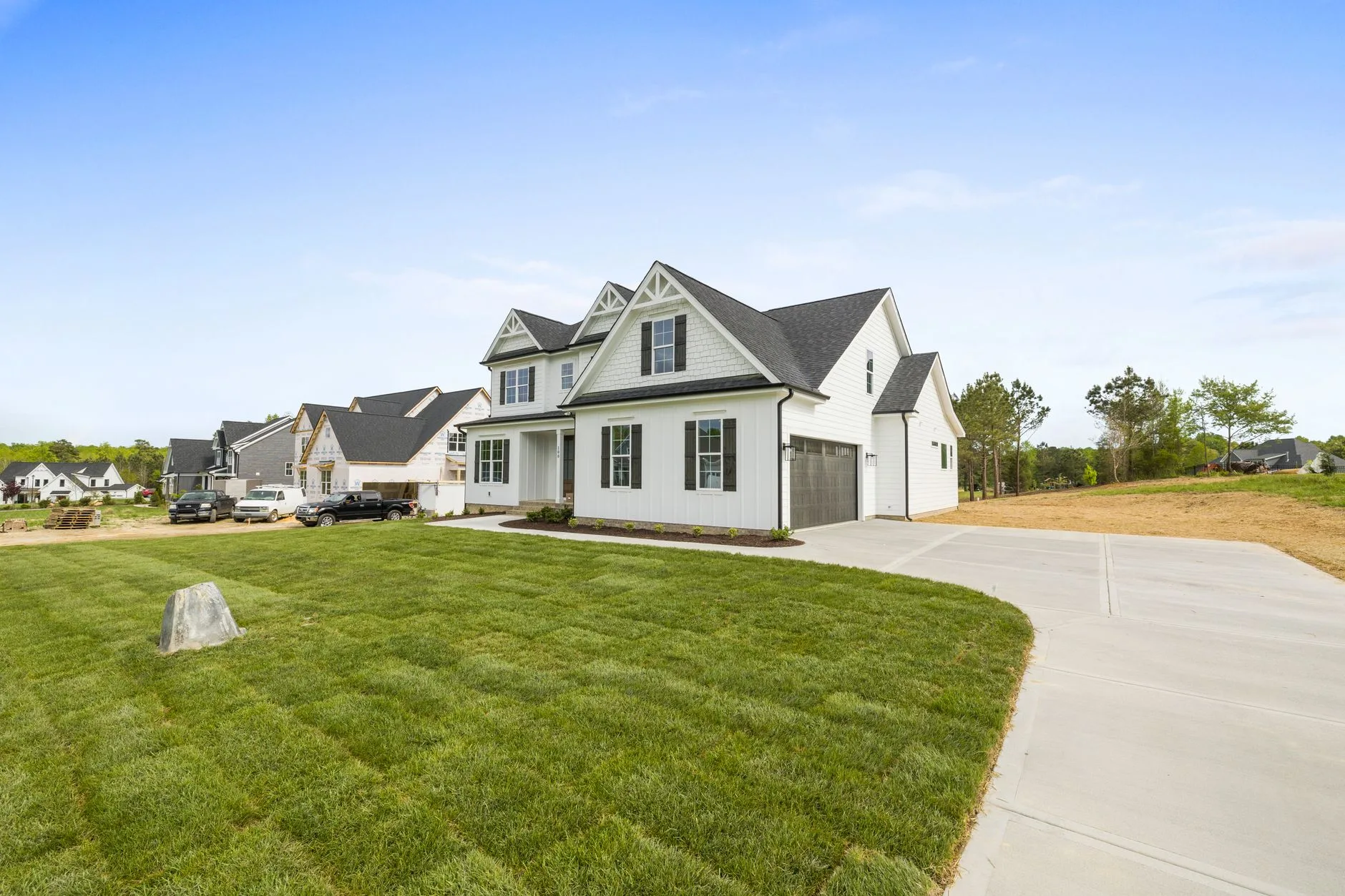
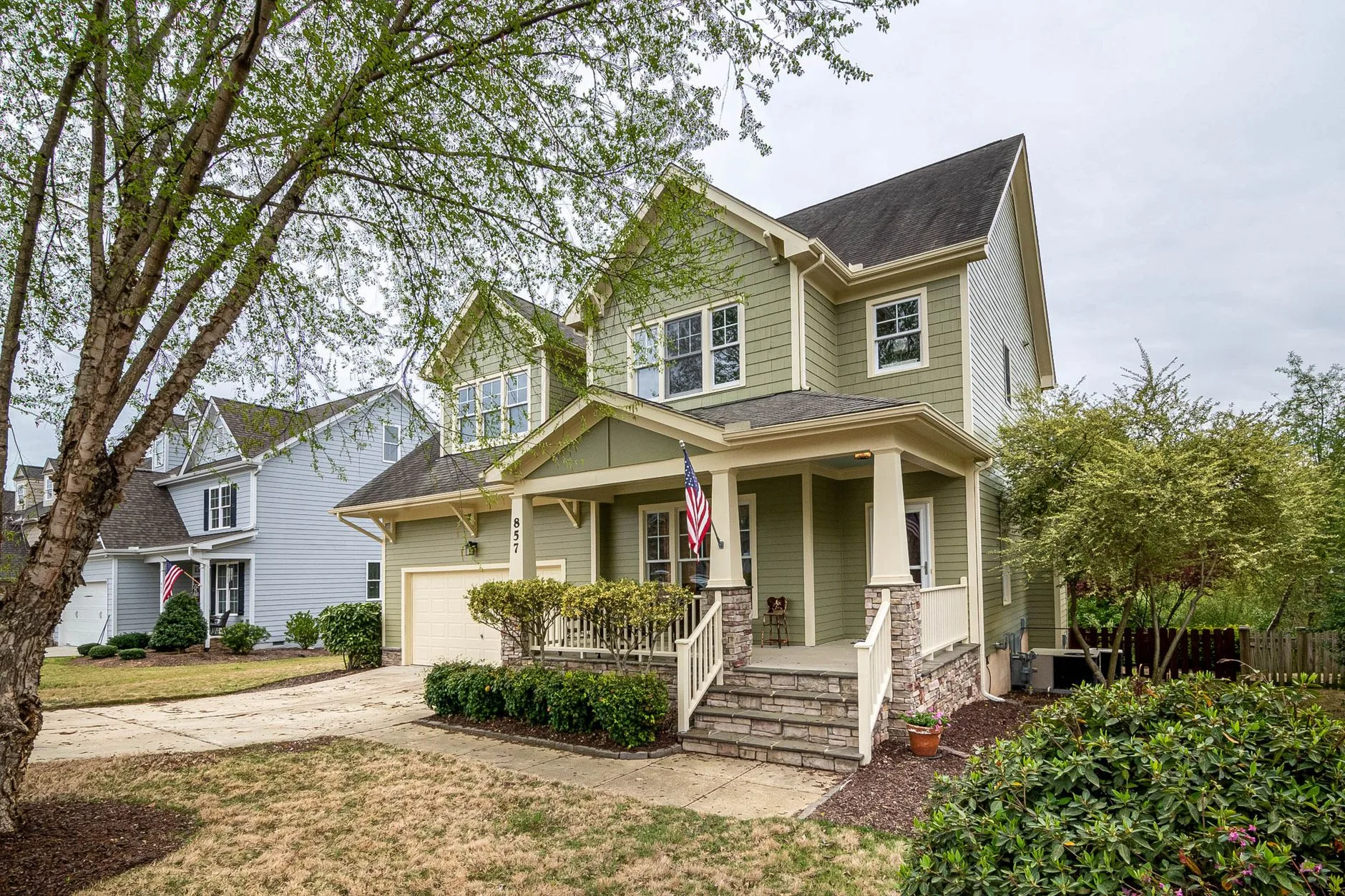
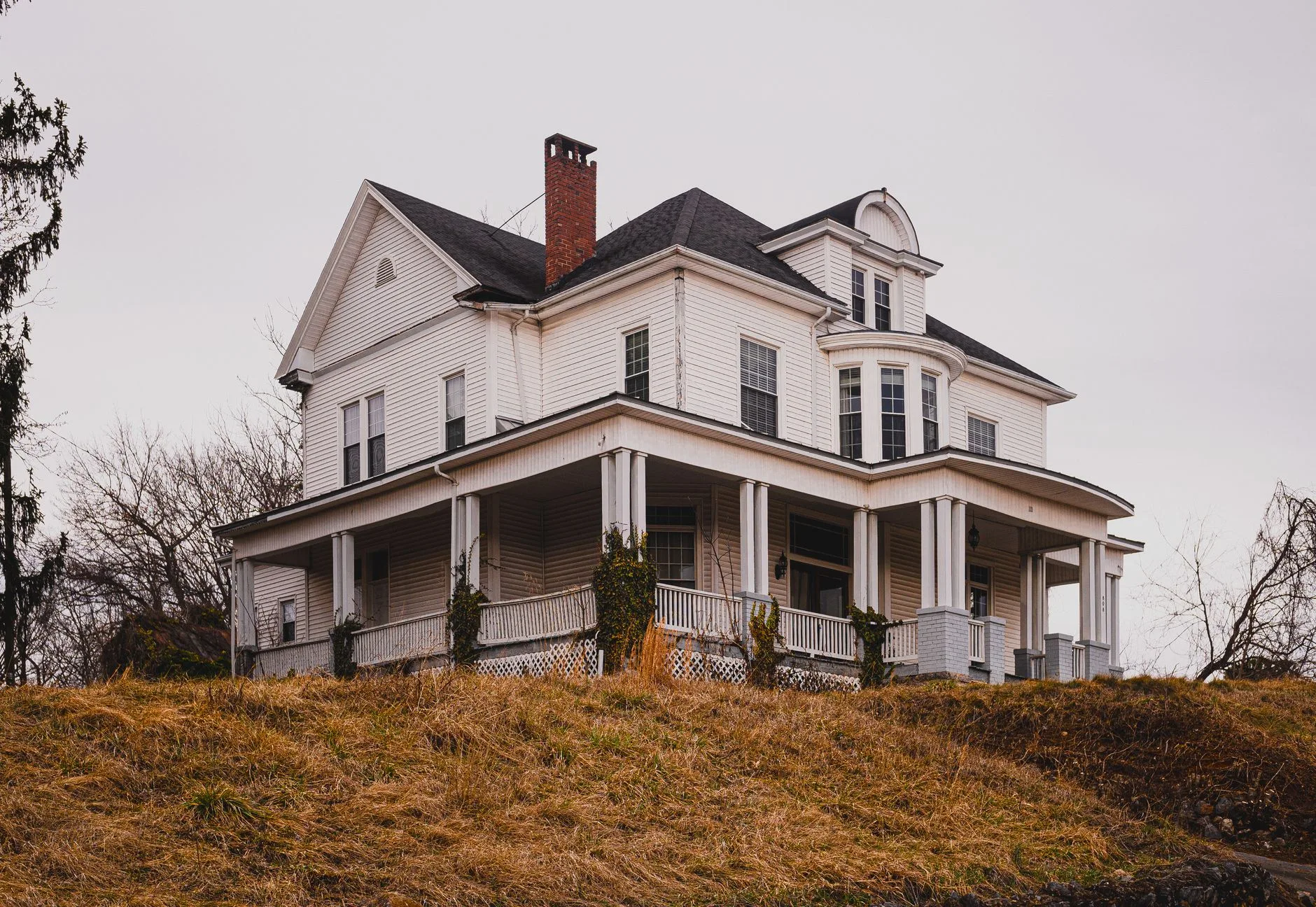
What You Are Looking At
The projects above fall into five kinds of work. Northeast Ohio roofs fail in fairly predictable ways, and most of what we photograph is one of these.
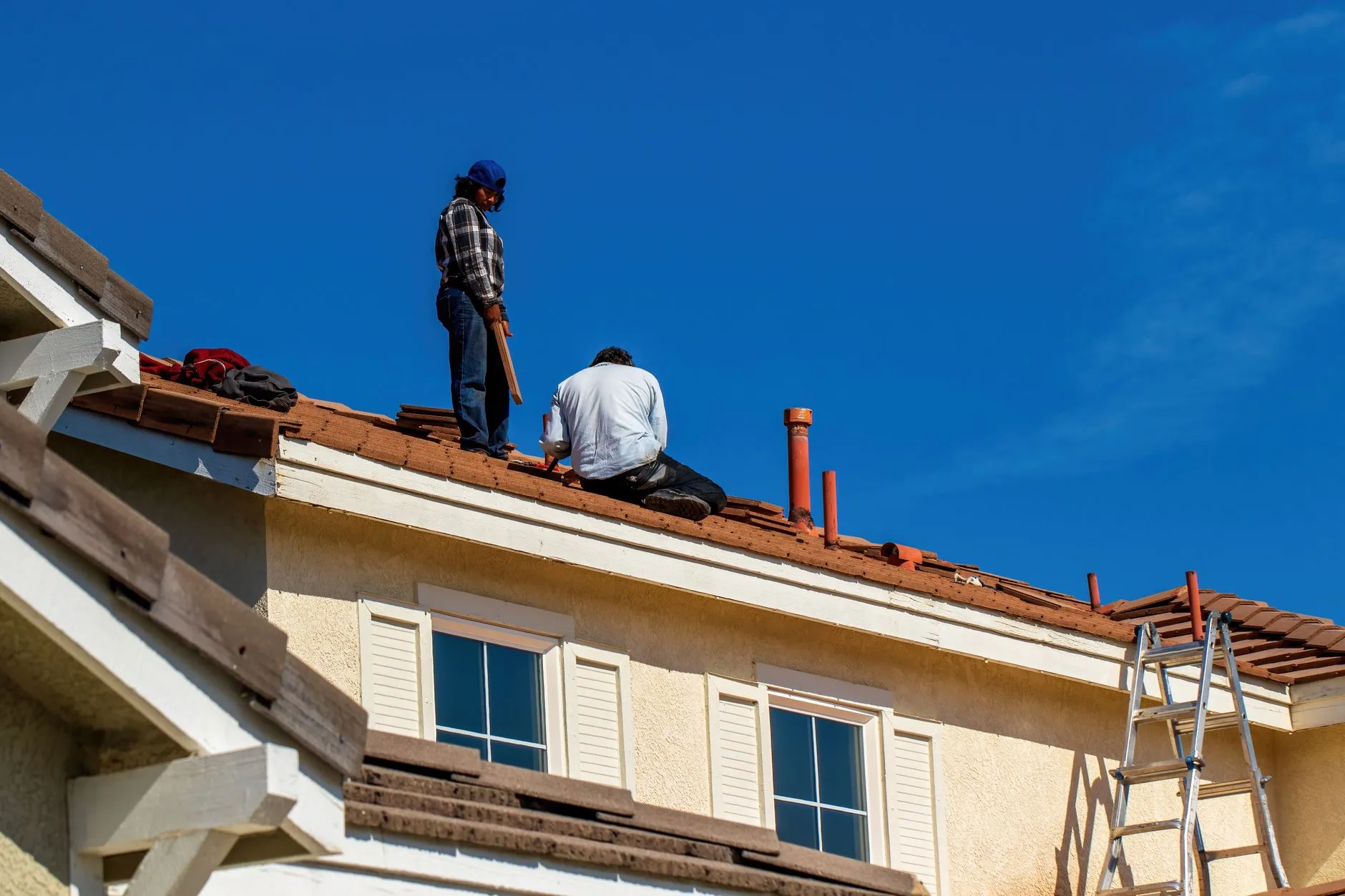
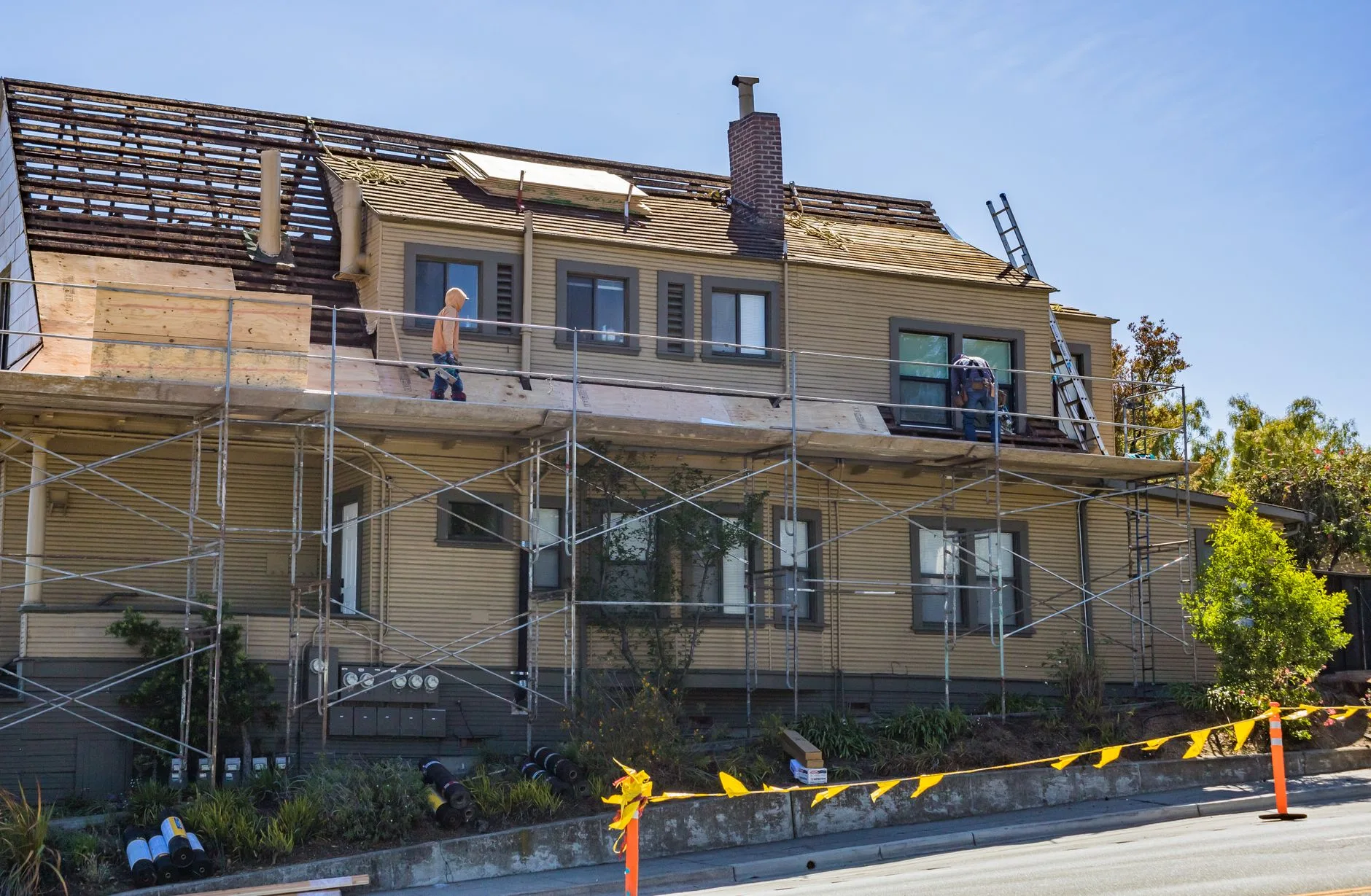
Full tear-offs and replacements
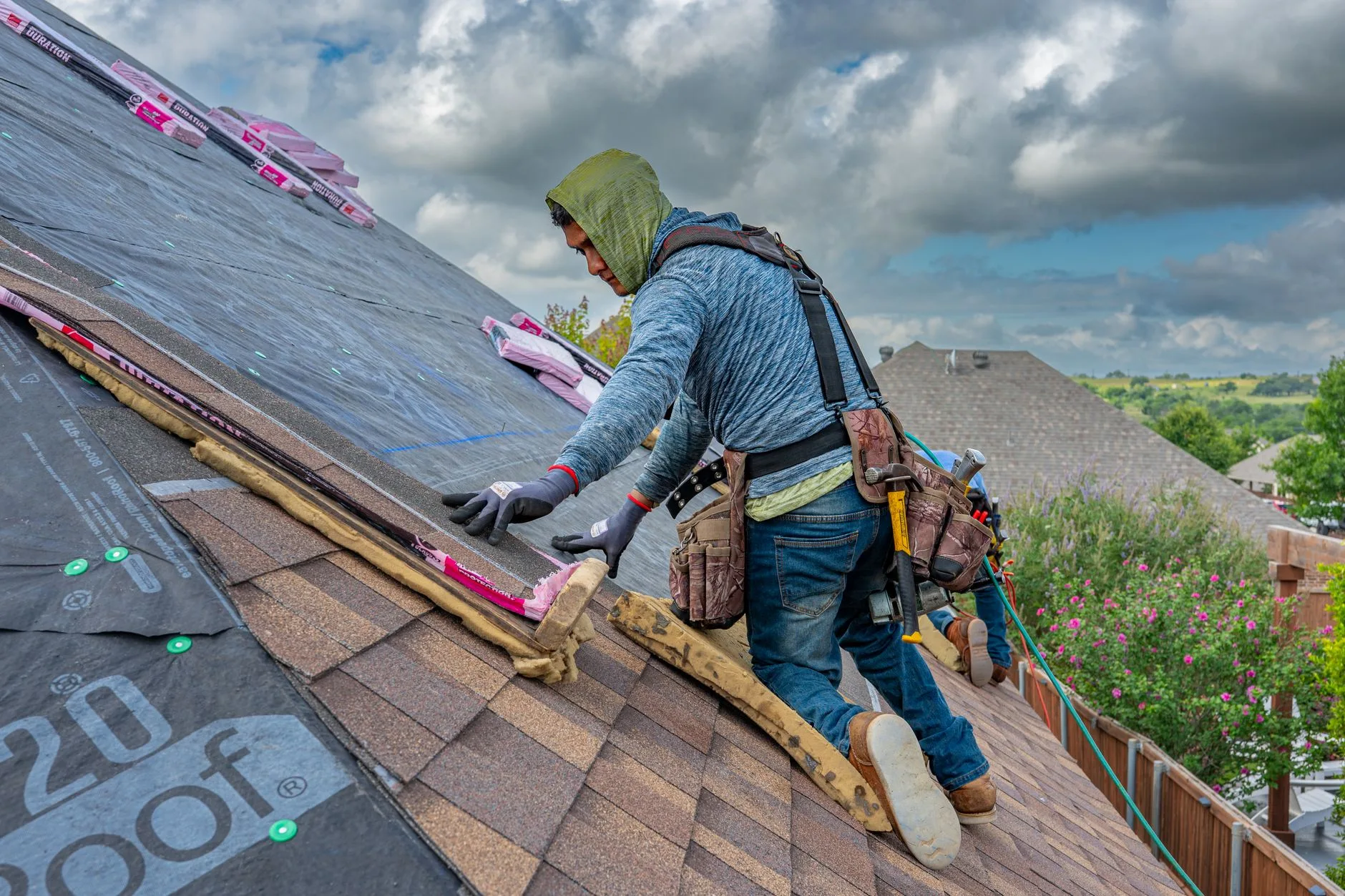
A complete roof replacement means the old roof comes off down to the decking, so anything the previous roof was hiding, soft sheathing, failed underlayment, a valley that was never flashed properly, is visible and fixable before the new roof goes on. Most of these are architectural asphalt shingle installs; a few are standing-seam metal.
Storm and insurance work
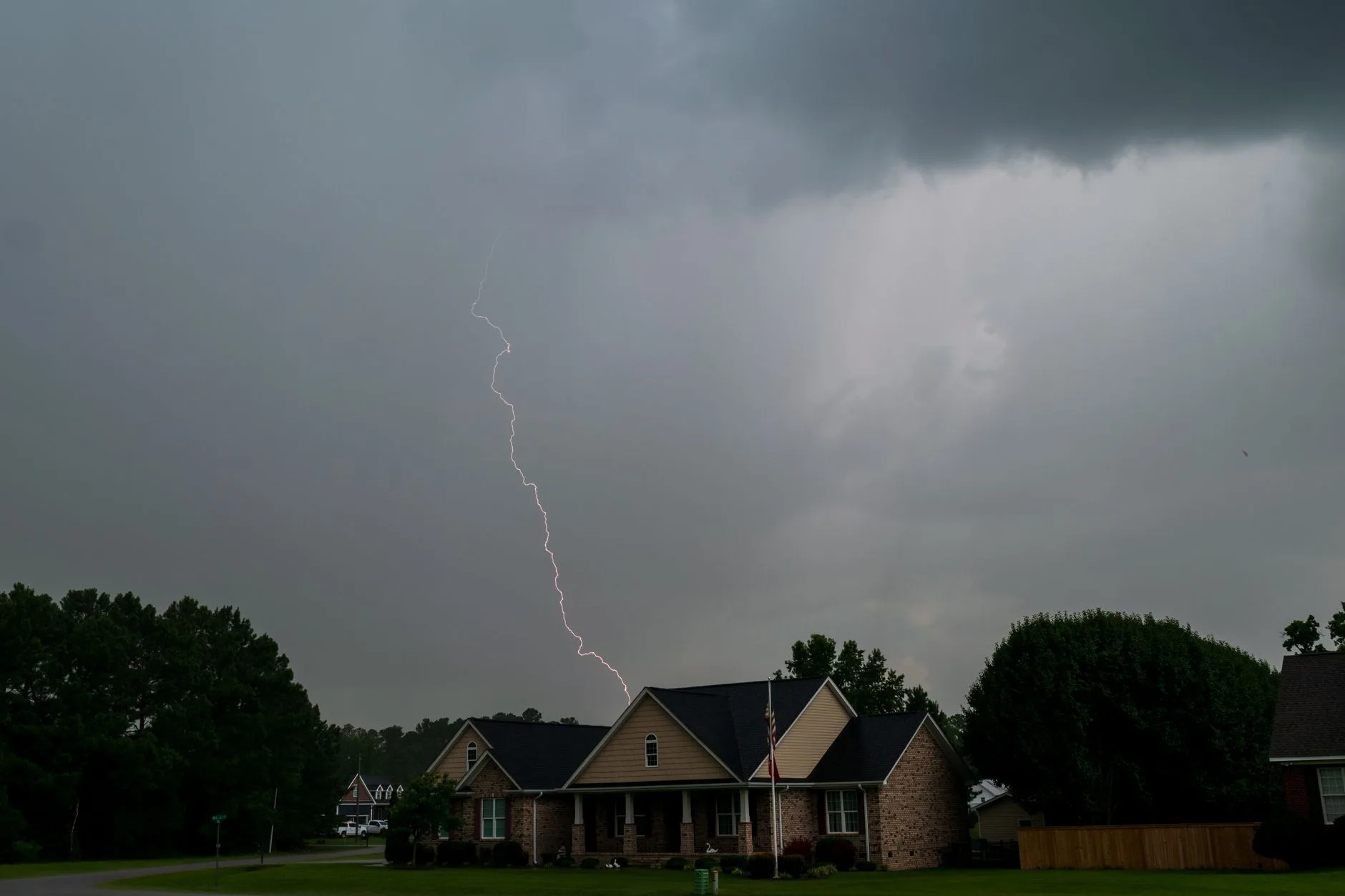
Wind and hail photos here are documentation as much as portfolio. When storm damage or hail is involved, the photographs are what an adjuster works from, so we shoot damage the same way every time and hand you the set. That record is the difference between a claim that moves and one that stalls, which is most of what claims assistance actually is.
Repairs, flashing, and leaks
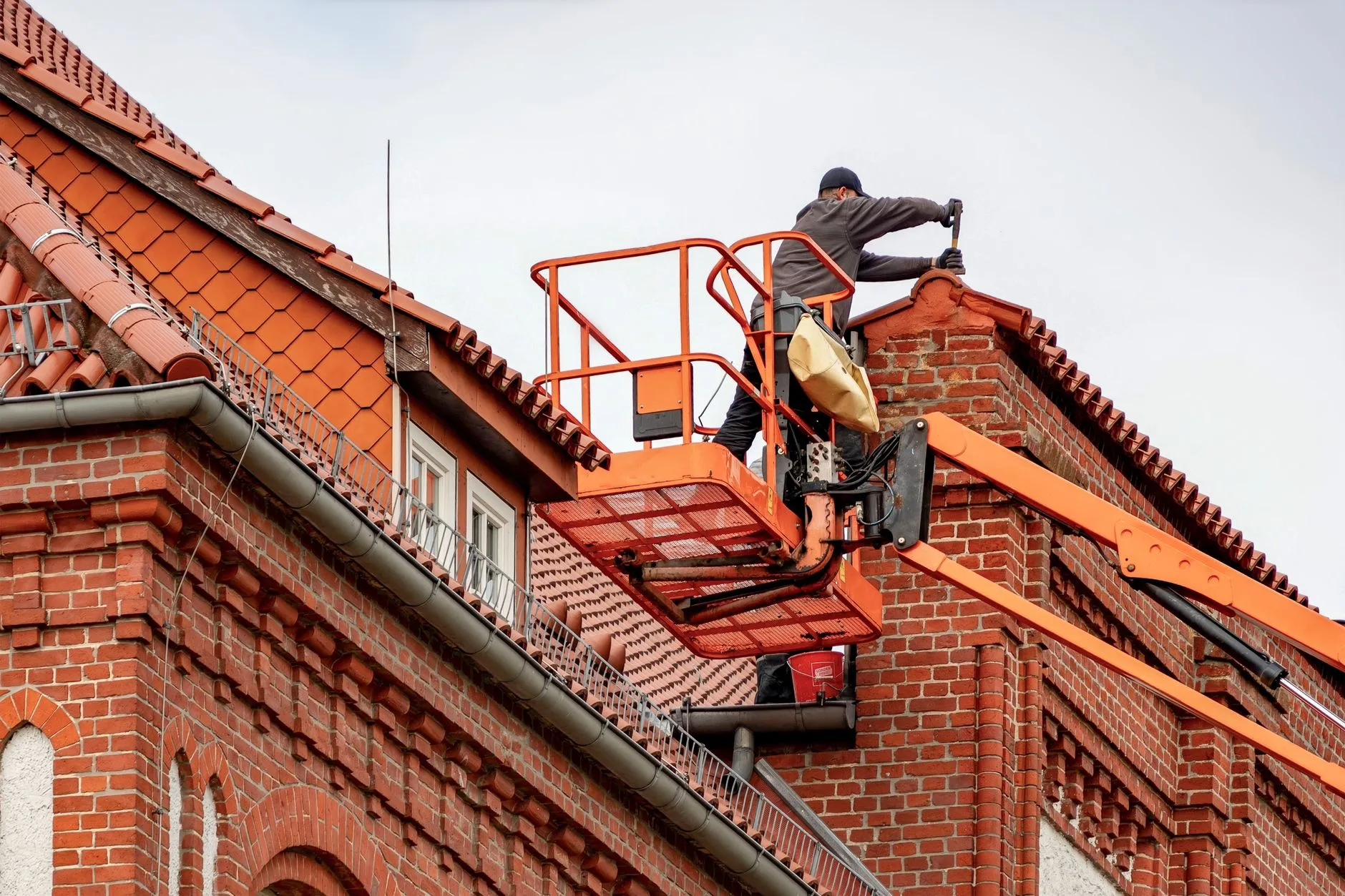
A surprising share of "the roof is leaking" turns out to be flashing rather than the roof surface: a chimney, a valley, a skylight curb, the point where a dormer meets the main roofline. Those are flashing repairs and leak repairs, not replacements, and saying so costs us a much larger job. We say it anyway, because the alternative is selling a roof to someone who did not need one.
Flat and low-slope commercial
Commercial buildings and some residential additions use membrane systems rather than shingles.TPO, EPDM, and modified bitumen fail differently than a pitched roof does, usually at seams, penetrations, and drains, and they are inspected and repaired on a different schedule.
Gutters, soffit, and ventilation
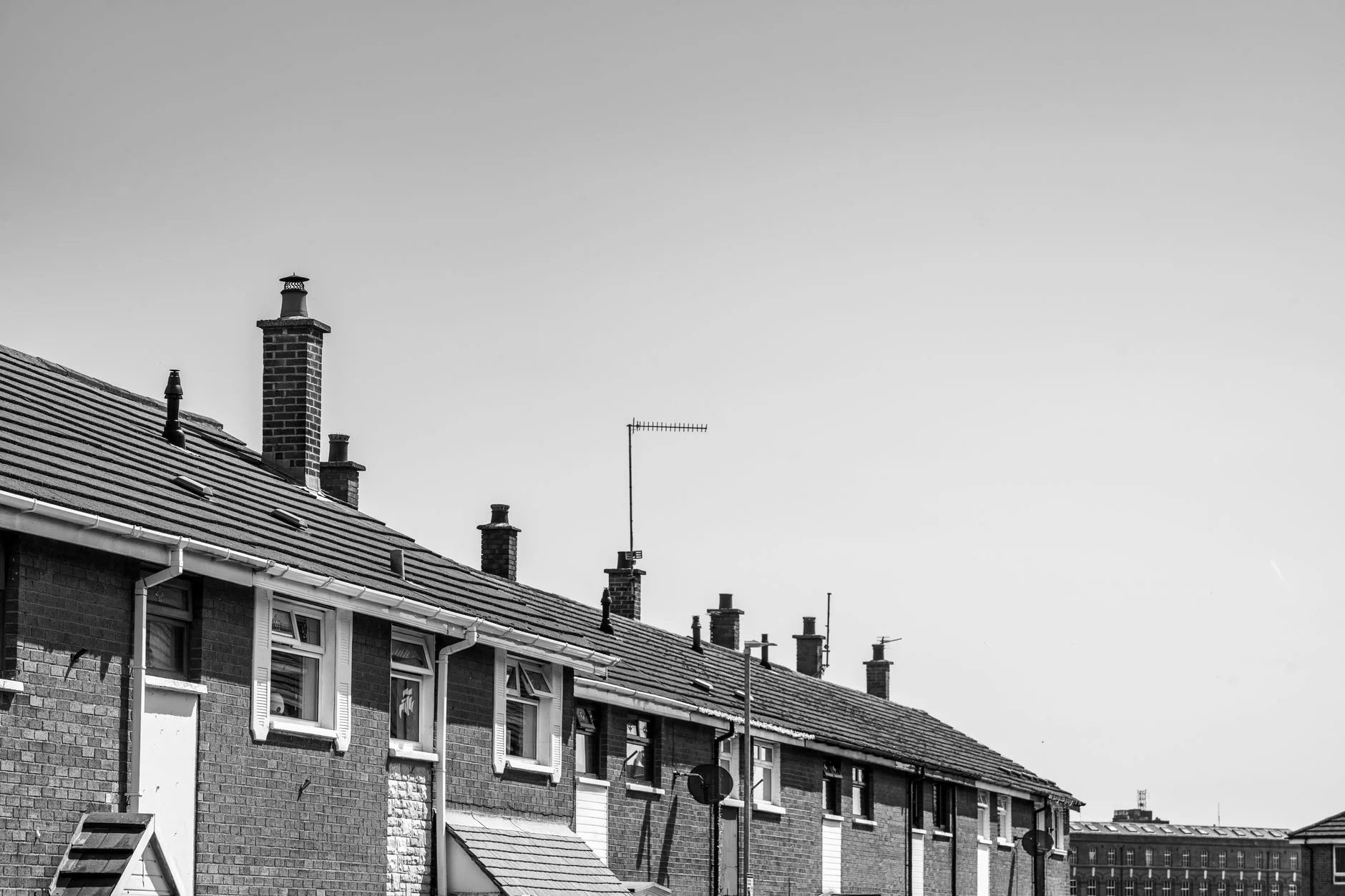
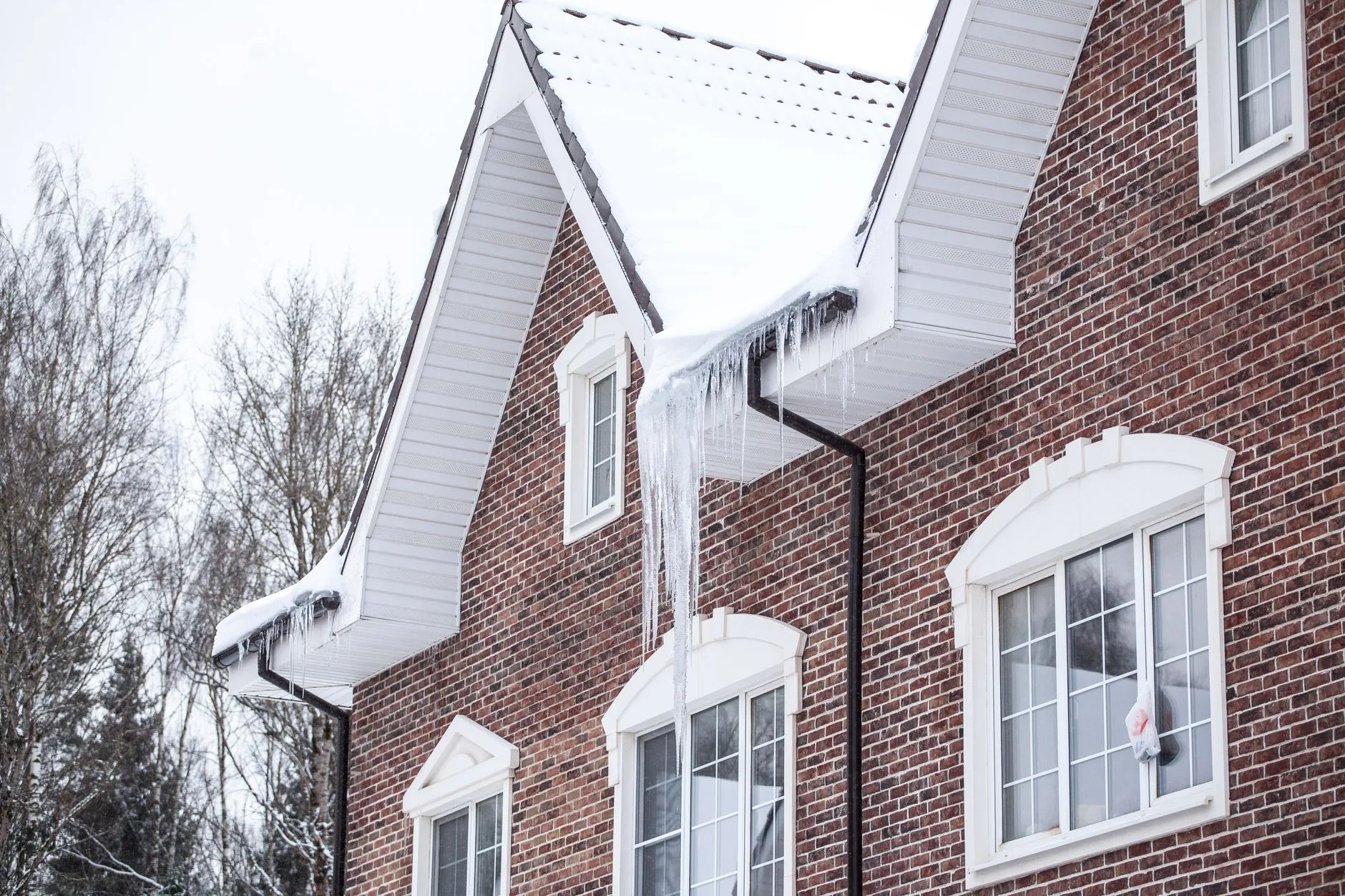
The parts of the roofline nobody photographs until they fail.Gutters sized for lake-effect snowmelt, guards on wooded lots, fascia and soffit that rotted because water was overshooting for years, and attic ventilation, which is the single most common reason a roof in this climate does not reach the age it was rated for.
How a Project Like These Runs
- A free on-roof inspection. We walk the roof, check the decking, flashing, and ventilation, and photograph anything that needs attention.
- A written, itemized estimate. Material tier, labor, disposal, and permit costs broken out line by line rather than a single number.
- Material selection, with samples on site so a shingle color is chosen against your actual brick and trim rather than off a screen.
- The tear-off and install. Most single-family re-roofs finish in one to two days, weather permitting, with a dumpster on site.
- A final walkthrough of the finished roof and gutters together, with the punch list confirmed clear before we leave.
Want to see work in your own neighborhood? Every service area page covers the local housing stock and the specific ways roofs fail there.
How to Read Any Roofing Portfolio
Worth knowing whether you hire us or not. A finished roof photographed from the street tells you almost nothing, because a bad install and a good one look identical from thirty feet away. Four things are worth looking for instead.
- Edges and penetrations, not the field. The open middle of a roof rarely fails. Chimneys, valleys, skylight curbs, and roof-to-wall transitions do. If a portfolio never shows those close up, you cannot judge the work.
- Photos taken during the tear-off. Anyone can shoot a finished roof. Photos of exposed decking show whether the crew actually looked at what was underneath, or just covered it.
- A straight ridge and even courses. Wavy shingle courses or a ridge that dips usually means the decking was not addressed.
- The ground. A finished-job photo with nails and shingle debris still in the grass says something about the rest of the job too.
Want Results Like These on Your Roof?
Schedule a free inspection and get a written estimate from a local crew.
Prefer to talk it through first?
Call (216) 424-3811