
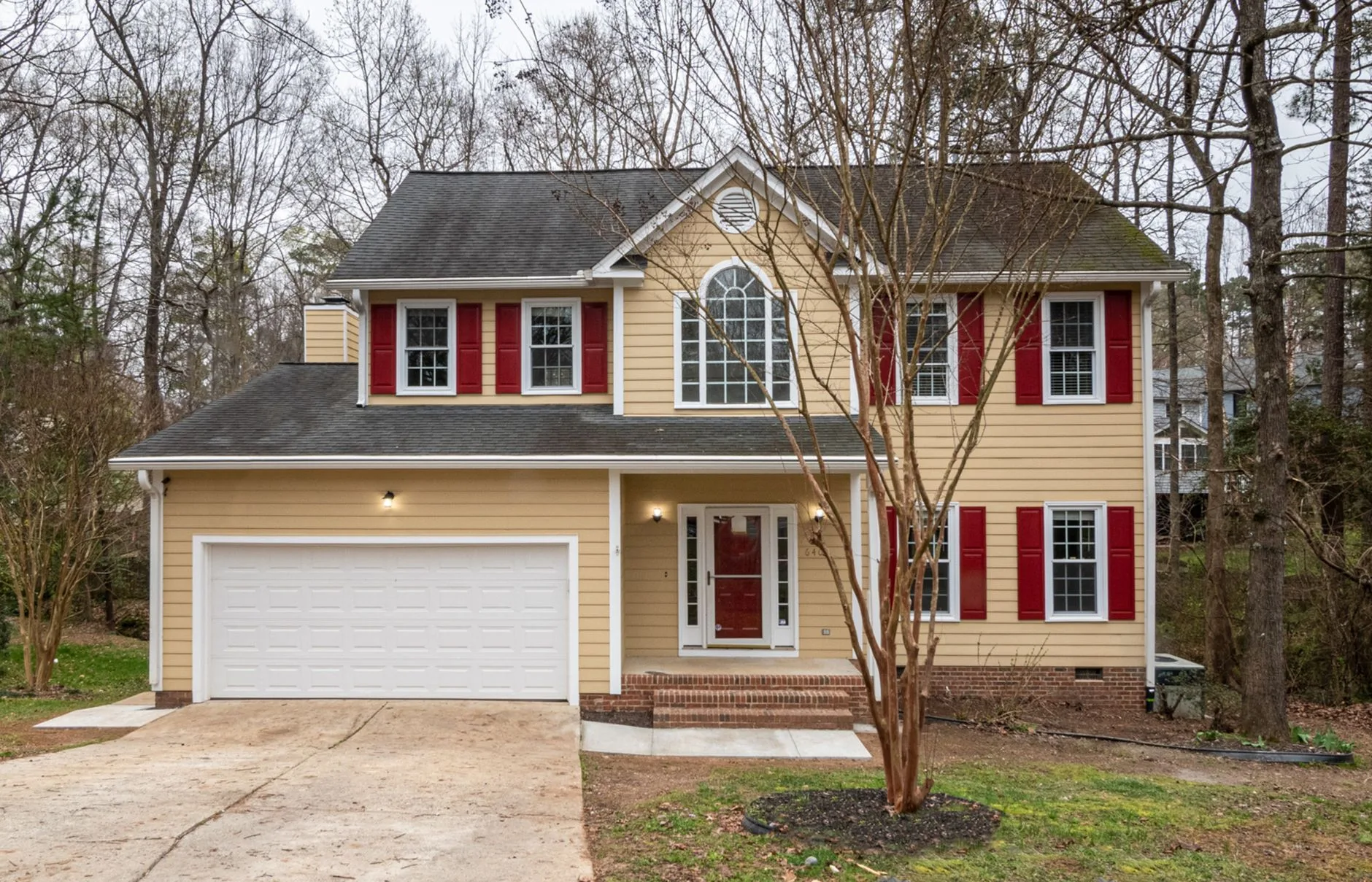
Cuyahoga County
Roofing Contractor in Cleveland, OH
Cleveland's housing stock spans more than a century - early-1900s bungalows in Tremont, brick colonials in Detroit-Shoreway, and postwar construction stretching toward the West Park and Old Brooklyn neighborhoods - and each era brings its own roofing challenges when you add in Lake Erie's snow belt and a genuine freeze-thaw winter.
Cleveland’s roofs have to survive a genuinely difficult climate. Sitting on the southern shore of Lake Erie puts the city squarely in the lake-effect snow belt, where cold air moving across open water picks up moisture and dumps it as heavier, wetter snow than most of inland Ohio ever sees. Layer in a freeze-thaw cycle that runs from November through March, and you get the two conditions responsible for the majority of roofing problems we’re called out for across the city: ice damming and accelerated shingle deterioration from trapped moisture.
We’ve been working on Cleveland roofs long enough to know that a one-size-fits-all approach doesn’t hold up here, because the housing itself isn’t one-size-fits-all.
A Century of Housing Stock, Block by Block
Drive from Ohio City to West Park and you’ll pass through nearly every era of American residential construction. Ohio City and Tremont carry some of the city’s oldest surviving housing - dense blocks of early-1900s bungalows, foursquares, and Colonial Revival homes, many with original wood-plank roof decking that’s been re-shingled multiple times over the decades. Detroit-Shoreway and Edgewater mix in similar-era construction with pockets of early-to-mid-century infill. Head further from the lake toward West Park and Old Brooklyn, and the housing shifts toward postwar Cape Cods, ranches, and colonials built during Cleveland’s mid-20th-century expansion.
That range matters because roof age, deck condition, and ventilation design vary enormously depending on when and how a specific block was built. A tear-off on a 1910 Ohio City bungalow often reveals original wood-plank decking that needs careful evaluation - sound in some sections, soft or delaminated in others where decades of minor ice-dam leaks went unaddressed. A postwar ranch near West Park is more likely to have plywood decking and simpler roof geometry, but may have inadequate attic insulation and ventilation by modern standards, which is its own contributor to ice damming. We don’t quote a Cleveland roof without walking it first, because the housing stock genuinely requires that.
Why Lake Erie Makes Cleveland Roofing Different
Lake-effect snow isn’t just “more snow” - it’s typically wetter and heavier than the powdery snow that falls further inland, which means more structural load on a roof deck and more water volume when it eventually melts. Combined with Cleveland’s freeze-thaw pattern, where daytime temperatures creep above freezing even in the dead of winter only to drop back below freezing overnight, you get repeated cycles of melting and refreezing that are the exact mechanism behind ice dam formation.
An ice dam starts innocently: warm air escaping from a poorly ventilated attic melts the snow directly above the living space, while the roof surface over the unheated eave overhang stays cold. That meltwater runs down the roof until it hits the cold eave section and refreezes, building a ridge of ice over time. Once that ridge is tall enough, subsequent meltwater backs up behind it and finds its way under the shingles, into the decking, and eventually into your ceiling or exterior walls. It’s one of the most common water-damage calls we get across every Cleveland neighborhood, but it’s especially frequent in areas with older, less-ventilated attic spaces - a category that includes a lot of the city’s pre-1950s housing stock.
The fix isn’t just a “better” shingle. It’s proper ice-and-water shield membrane at the eaves, valleys, and penetrations (installed well beyond the minimum most codes require), combined with attic ventilation and insulation that actually keeps the roof deck at a more consistent temperature. We evaluate both during every full tear-off, and we’ll flag ventilation issues even on jobs where you didn’t ask us to look, because a new roof installed over an unventilated attic is set up to develop the same ice dam problem within a few winters.
Permits and Working Within Cleveland’s Neighborhoods
The City of Cleveland requires a building permit for roof replacement work, processed through the Department of Building and Housing. The city also sets a baseline for who’s allowed to do the work at all: contractors working on Cleveland homes are required to be bonded, insured, and registered with the city. It’s a reasonable thing to ask any roofer to confirm before signing a contract. Homes within certain landmark or historic district boundaries - including parts of Ohio City and Tremont - may have additional review requirements around exterior changes visible from the street. We check this before finalizing material selection so there are no surprises mid-project.
Storm Damage and Insurance Claims in Cleveland
Cleveland’s exposure to Lake Erie weather systems means wind and hail damage is a regular occurrence, particularly in fall and late winter when storm fronts move through with less resistance off the open water. When that happens, we provide 24/7 emergency tarping to stop interior water damage immediately, followed by full documentation - photos, measurements, and an itemized scope of damage - that most insurance carriers require to process a claim. We’ll meet with your adjuster on-site when scheduling allows, and we make sure the roofing portion of any claim reflects the actual, necessary repair scope rather than a lowball first offer.
Material Choices That Make Sense for Cleveland
Not every roofing material performs the same way under lake-effect conditions, and we don’t recommend the same product to every Cleveland homeowner. Architectural asphalt shingles with a high wind rating are the right call for most homes, particularly when paired with properly installed ice-and-water shield and balanced attic ventilation - this combination handles the vast majority of roofs we replace across Ohio City, Tremont, and the postwar neighborhoods further from downtown. For homes with steep, complex rooflines, heavy tree cover, or a documented history of repeat ice damming, standing-seam metal roofing sheds snow and ice more effectively and tends to outlast asphalt by decades, at a higher upfront cost. We’ll walk you through the actual tradeoffs for your specific roof rather than defaulting to whichever material carries the better margin.
Flat and low-slope sections - common on additions, enclosed porches, and the mixed-use and commercial buildings scattered throughout Cleveland’s denser neighborhoods - get a different treatment entirely, using membrane systems designed for standing water and thermal cycling rather than shingle products stretched past their intended use.
Seasonal Maintenance for Cleveland Homeowners
A roof replacement is a long-term investment, and a little seasonal attention protects that investment through Cleveland’s harshest months. Every fall, we recommend clearing gutters of leaf debris before the first hard freeze - clogged gutters are one of the most preventable contributors to ice dam formation, since backed-up water has nowhere to drain before it refreezes at the eave. Checking attic ventilation before winter, especially in older homes throughout Ohio City, Tremont, and Detroit-Shoreway where original ventilation design predates modern energy codes, catches a cheap fix before it becomes an expensive mid-winter leak. After any significant windstorm off the lake, a quick visual check for missing or lifted shingles - or a call to us for a free inspection - can catch minor wind damage before the next storm turns it into a larger leak.
We also recommend a general roof inspection every two to three years even without an obvious problem, particularly for homes over 15 years old. Small issues like deteriorating pipe boot seals or minor flashing separation are inexpensive to fix proactively and expensive to ignore until they cause interior damage.
A Roofer That Knows Cleveland’s Roofs
Whether you’re in a University Circle-adjacent brick colonial, a Slavic Village postwar bungalow, or a newer build near the lake in Edgewater, the underlying climate challenge is the same: heavy lake-effect snow, real freeze-thaw cycles, and roofs that need to be built for both. We bring that same standard - full tear-off, proper ice-and-water shield, checked ventilation, and honest, written pricing - to every Cleveland roof we work on, no matter which decade it was built in or which neighborhood it’s in.
Roofing Services We Provide in Cleveland
Roof Replacement
Full tear-off replacements for Cleveland's bungalows, foursquares, and postwar homes, engineered for lake-effect snow loads and ice damming.
Roof Repair
Leak diagnosis and flashing repair addressing the specific failure patterns common in Cleveland's century-old housing stock.
Storm Damage Roofing
Wind and hail damage assessment and repair following Lake Erie storm systems, with documentation for insurance claims.
Roof Inspections
Free on-roof inspections covering both surface condition and often-original decking throughout Cleveland's older neighborhoods.
Cleveland Housing & Climate Considerations
Housing Stock
Cleveland's housing dates from the early 1900s through the postwar boom, with a dense concentration of bungalows, foursquares, and Colonial Revival homes in neighborhoods like Ohio City and Tremont, alongside postwar Cape Cods and ranches further from downtown in areas like West Park. Roof decking age and prior repair quality vary enormously block to block.
Climate & Weather
Cleveland sits directly in Lake Erie's lake-effect snow belt, meaning heavier and more frequent snowfall than inland Ohio, combined with a freeze-thaw cycle that runs from roughly November through March and is the primary driver of ice dam formation on older, less-ventilated roofs.
Cleveland Roofing Permits & Local Requirements
Contractors must be bonded, insured, and registered with the City to build or rehabilitate Cleveland homes
Sets the baseline expectation for any roofer working in Cleveland: bonded, insured, and city-registered.
"To build or rehabilitate Cleveland homes, contractors must be bonded, insured, and registered. Electricians and plumbers must also be licensed."
Cleveland Coverage Area
ZIP Codes We Serve
44102, 44103, 44104, 44105, 44106, 44109, 44113, 44115, 44127, 44135, 44144
Neighborhoods We Serve
Ohio City, Tremont, Detroit-Shoreway, Edgewater, University Circle, West Park, Old Brooklyn, Slavic Village
Cleveland Roofing FAQs
What's the average lifespan of a roof in Cleveland given the lake-effect snow?
Why do so many Cleveland homes get ice dams every winter?
Do older Cleveland homes in Ohio City or Tremont need a different roofing approach than newer construction?
Can you help with a roof insurance claim after wind or hail damage in Cleveland?
Do you offer emergency roofing service in Cleveland after a storm?
What should I check before hiring a roofer in Cleveland?
Related Reading
Nearby Service Areas
Get Your Free Estimate in Cleveland
Schedule a free, no-pressure roof inspection with a crew that knows Cleveland.
Prefer to talk it through first?
Call (216) 424-3811