Common Roofing Problems in Cleveland Homes
Published · Related to Roof Repair
Get BH Roofing first in Google
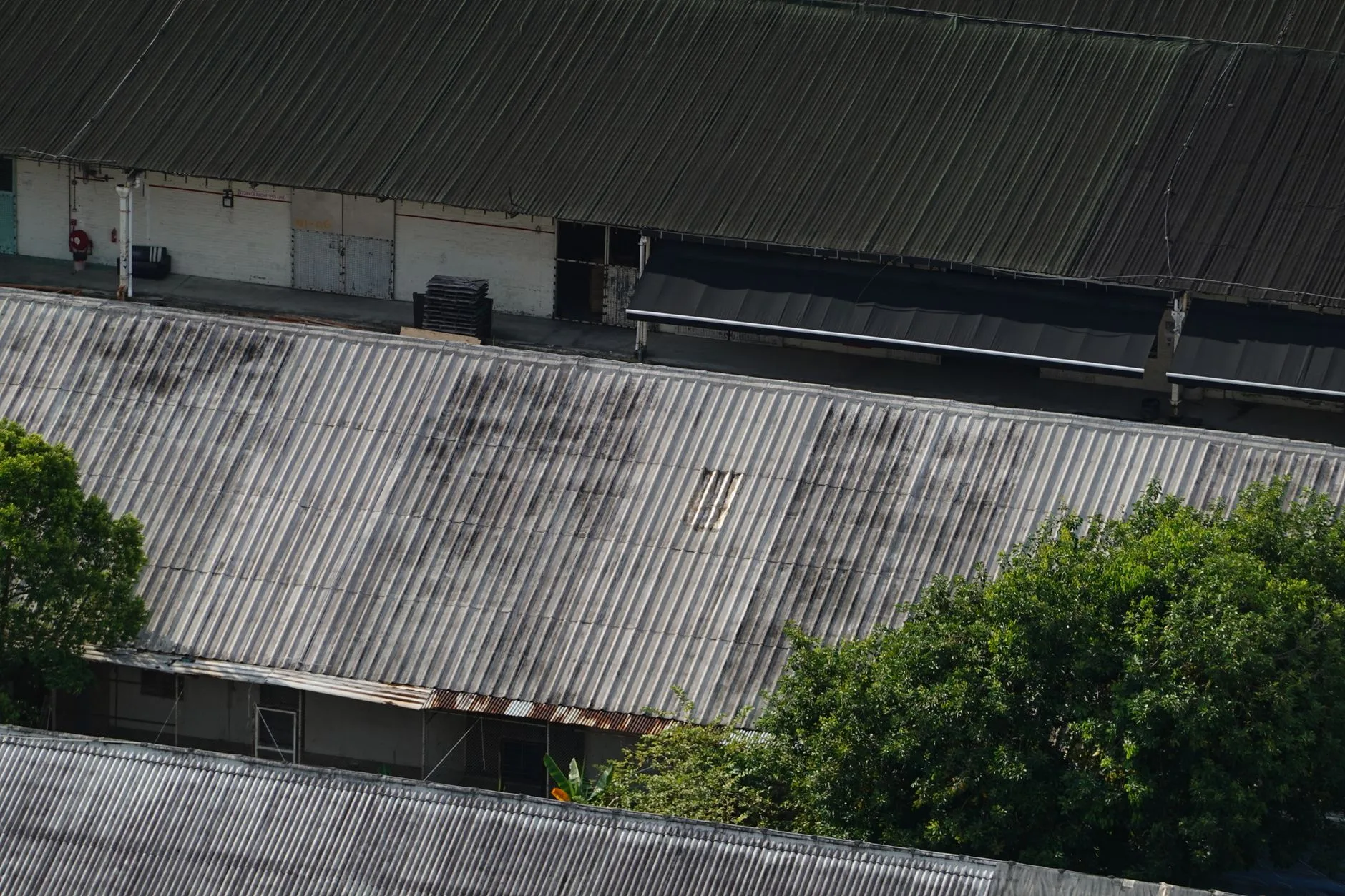
After years of inspecting and repairing roofs across Cleveland and its suburbs, certain problems come up again and again - not because homeowners are doing anything wrong, but because our specific climate and housing stock create predictable failure patterns.
Ice-Dam Related Eave Leaks
This is the most distinctly regional problem on this list. Heat escaping into the attic melts snow from underneath, which refreezes at the colder eave and builds an ice ridge that backs water up under the shingles. It affects homes across every suburb in our service area to varying degrees, and it’s a direct product of our freeze-thaw winter pattern combined with imperfect attic ventilation.
Flashing Failures at Chimneys, Walls, and Valleys
Flashing sits at every transition point on a roof and takes more thermal movement and water volume than the open shingle field. Step flashing, counter flashing, and valley flashing all commonly fail over time, especially on older homes where original flashing has had decades of freeze-thaw cycling to work fasteners and seals loose.
Wind-Lifted or Missing Shingles
Straight-line winds and lake-effect gusts concentrate uplift force at ridges, edges, and corners, making these the most common locations for wind damage. Lakefront communities in particular see this more often given their higher sustained wind exposure.
Granule Loss and Shingle Aging
Hail bruising, UV exposure, and simple age all contribute to granule loss, which accelerates a shingle’s decline once it starts. This shows up as bare spots on the roof and granule accumulation in gutters, and it’s often the first visible sign of a roof approaching replacement age.
Inadequate Attic Ventilation
Particularly common in older east-side housing stock built before modern ventilation standards existed, inadequate ridge and soffit airflow contributes directly to ice damming and can accelerate shingle aging from underneath, regardless of how new the shingle material itself is.
Clogged or Failing Gutters
While technically a separate system, gutters that are clogged, sagging, or improperly pitched contribute directly to eave-area ice buildup and can cause fascia rot where they mount. We check gutter condition as part of any comprehensive roof inspection given how closely the two systems interact.
Deck Damage From Long-Term Undetected Leaks
Any of the above problems, left unaddressed long enough, can lead to deck (sheathing) damage - soft spots or rot in the plywood or plank material under the shingles. This is the most serious outcome on this list, since it affects structural material rather than just the roofing surface, and it’s exactly why catching problems early matters.
Why Recognizing These Patterns Helps
Knowing that these specific problems are common across our region means catching them isn’t a matter of luck - a routine, seasonally-timed inspection specifically checks for each of these, rather than a generic look that might miss a problem type common here but rare elsewhere.
Frequently Asked Questions
What's the single most common roofing problem you see across Cleveland?
Are certain roofing problems specific to older Cleveland-area homes versus newer construction?
Do gutter problems count as roofing problems?
How can I tell if a roofing problem is urgent or can wait?
Does BH Roofing see different problems in different Cleveland suburbs?
Like this article? Make BH Roofing a preferred source in Google Search.
Related Services
Related Reading
Get Your Free Estimate
Tell us about your roof and we'll follow up within one business day - no obligation.
Prefer to talk it through first?
Call (216) 424-3811