
Flashing Problems Explained: Why They Cause Leaks
Published · Related to Flashing Repair
Get BH Roofing first in Google
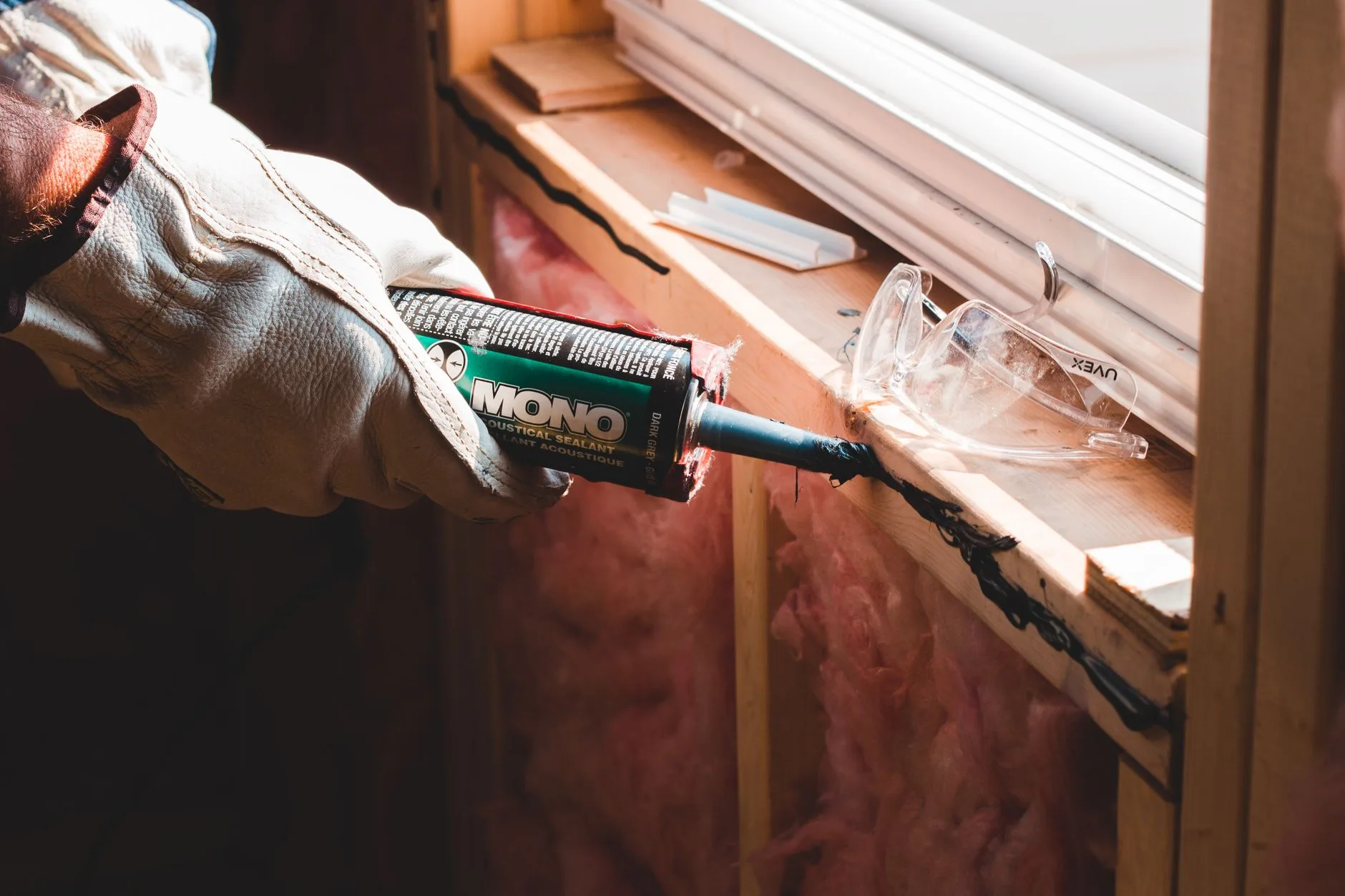
If there’s one component responsible for more roof leaks than any other single factor, it’s flashing - the metal detailing installed at every point where a roof meets something else. Understanding why it fails, and recognizing the specific patterns, helps make sense of a leak that seems to come from nowhere.
Why Flashing Fails Before the Rest of the Roof
The open field of a shingle roof is relatively simple: water flows down, shingles overlap correctly, and gravity does the rest. Flashing exists precisely where that simple system breaks down - at a chimney, a sidewall, a valley where two roof planes meet, or a skylight curb. These transitions see concentrated water volume during any rain event, and the metal flashing itself expands and contracts at a different rate than the surrounding shingles or siding as temperatures swing through our freeze-thaw seasons. That constant differential movement is what gradually works fasteners and seals loose in a way the flat shingle field never experiences.
Step Flashing and Counter Flashing Problems
Step flashing consists of individual L-shaped pieces woven between shingle courses along a vertical surface, each directing water down and past the transition. Counter flashing sits above it, usually set into masonry or behind siding, overlapping the step flashing’s top edge to prevent water from working behind it. A chimney or wall with step flashing but no counter flashing - a shortcut still found on some older homes - is one of the most common and persistent leak sources we diagnose, precisely because it looks correct from the ground while missing a critical piece.
Valley Flashing Issues
Where two roof planes meet, water volume concentrates significantly more than in the open field. Valley flashing installed incorrectly, or corroded after years of concentrated water flow, is a frequent repeat-leak location, especially on roofs with a history of previous patch attempts that didn’t address the actual valley detail.
Skylight and Penetration Flashing
Any roof penetration - skylights, vent stacks, plumbing boots - needs its own flashing detail, and these smaller-scale flashing points are easy to overlook during a quick visual inspection. Skylight leaks in particular are frequently misdiagnosed as a problem with the skylight unit itself when the actual failure is in the surrounding flashing.
Signs of Flashing Trouble
Visible rust or corrosion, flashing that’s visibly pulled away from a chimney or wall, and any leak that traces to a location near a chimney, valley, or skylight rather than the open shingle field are all signs pointing toward flashing as the culprit. A lot of flashing deterioration isn’t visible from the ground at all, which is why we check it closely during any on-roof inspection rather than assuming it’s fine because nothing looks obviously wrong from below.
The Right Fix, Not Just a Patch
Caulk has a place for very minor gaps but isn’t a substitute for properly reinstalling failed or corroded flashing. A flashing repair done correctly - proper step, counter, or valley detail reinstalled to shed water by design - holds up far longer than a sealant-dependent patch, and it’s the standard we apply on every flashing repair regardless of how small the job looks at first glance.
Frequently Asked Questions
Why does flashing fail before the surrounding shingles usually do?
What's the most common flashing problem you find on older Cleveland homes?
Can I tell if flashing is failing just by looking at it from the ground?
Is caulk ever an acceptable fix for a flashing problem?
Does flashing need to be replaced every time a roof is replaced?
Like this article? Make BH Roofing a preferred source in Google Search.
Related Services
Related Reading
Get Your Free Estimate
Tell us about your roof and we'll follow up within one business day - no obligation.
Prefer to talk it through first?
Call (216) 424-3811