Service
Roof Flashing Repair in Cleveland & Northeast Ohio
More roof leaks start at flashing than anywhere else on the roof - including yours, if it's leaking.
If you asked us for the single most common source of a roof leak that isn’t caused by an aging shingle field, the answer would be flashing, without much competition. It’s the metal detailing at every transition point on a roof - chimneys, walls, valleys, skylights - and it takes more movement, more water volume, and more freeze-thaw stress than almost anywhere else on the roof.
Why Flashing Fails First
Flashing exists at exactly the points where a roof plane meets something else - a vertical wall, a chimney, another roof section, a skylight curb. Those transitions see concentrated water flow during any rain event and constant thermal movement as the metal expands and contracts differently than the surrounding shingles or siding. In Northeast Ohio, that expansion-contraction cycle runs hard through fall and spring freeze-thaw swings, gradually working fasteners and seals loose in a way that a flat, uninterrupted shingle field never experiences.
Step Flashing and Counter Flashing, Done Correctly
Step flashing is the series of individual L-shaped metal pieces woven between shingle courses along a vertical surface, each one directing water down and past the transition rather than letting it pool. Counter flashing sits above it, typically set into masonry or behind siding, overlapping the step flashing to keep water from working behind it at the top. A chimney or wall with step flashing but no counter flashing - a shortcut we still see on older homes and some lower-bid installations - is a slow, near-guaranteed leak source.
Valley Flashing
Where two roof planes meet at a valley, water volume concentrates significantly compared to the open field. Open metal valleys, closed-cut valleys, and woven valleys each have correct installation methods, and a valley that wasn’t detailed correctly the first time is one of the more common repeat-leak locations we get called back to fix - often after someone else’s patch job.
Repair, Not Just Caulk
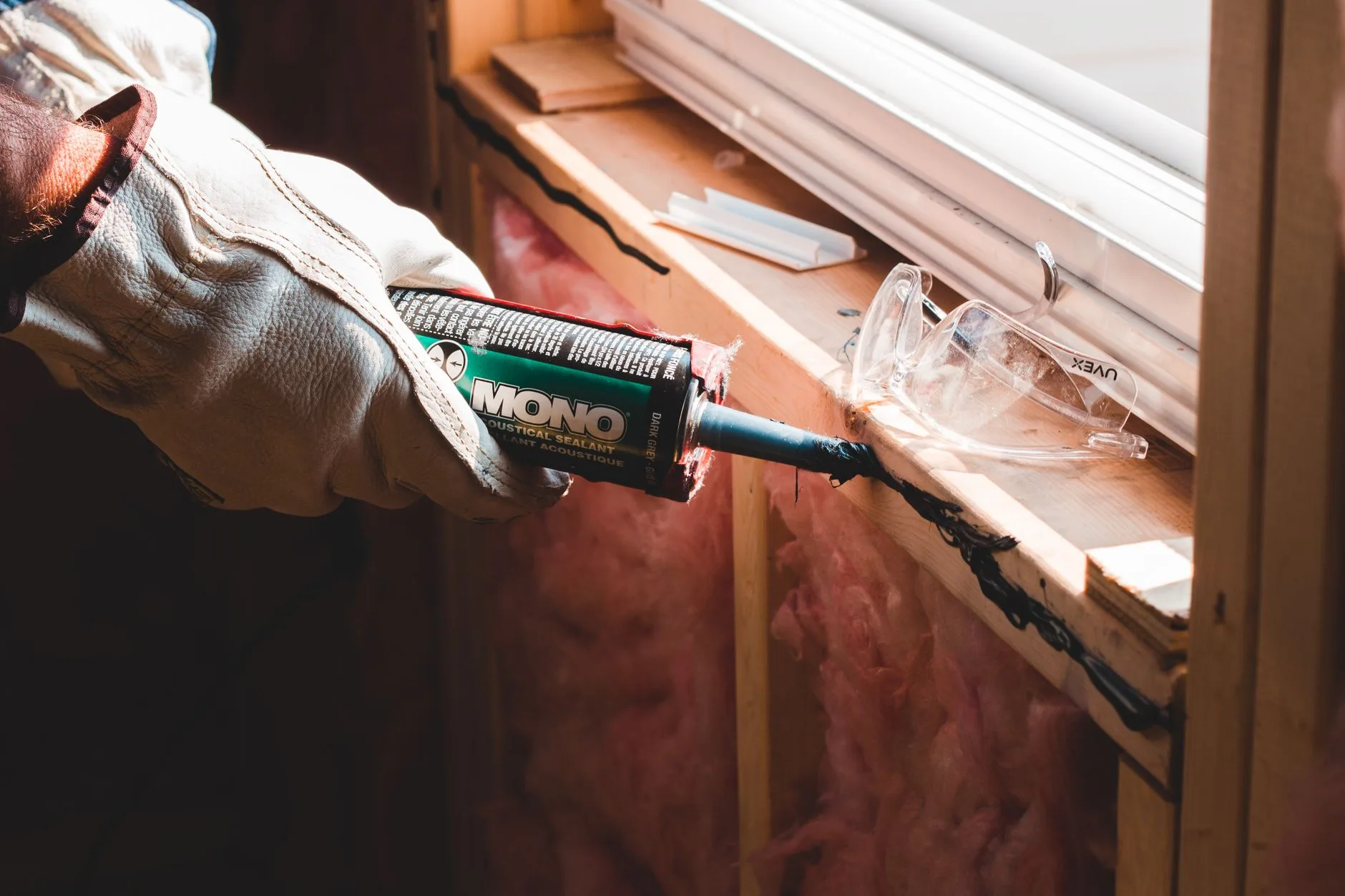
Caulk has its place for very minor gaps, but relying on it to compensate for failed or corroded flashing is a short-term patch that typically fails within a season or two of freeze-thaw cycling. Our approach is to properly reinstall step, counter, or valley flashing so the roof sheds water by design rather than depending on sealant to hold the line.
Choosing the Right Flashing Material
Aluminum is the material we use most often - it’s cost-effective, resists rust, and works well in most applications, though it can corrode if placed in direct contact with certain masonry types or pressure-treated lumber without a proper barrier. Copper is the premium option, developing a protective patina over time and generally outlasting aluminum by a wide margin, which makes it a common choice on higher-end homes or anywhere flashing is visible enough to matter aesthetically, such as a prominent bay window or a chimney on a historic Shaker Heights colonial. Galvanized steel offers good durability at a moderate cost but will eventually rust once its zinc coating is compromised by a scratch or wears thin over years of exposure. We select based on your roof’s specific materials, visibility, and budget rather than defaulting to whichever is easiest to source.
Flashing and Roof Replacement: Don’t Reuse What’s Already Worn
When a full roof replacement happens, existing flashing sometimes gets reused to save a modest amount on the job - a shortcut we don’t take. Flashing that’s already weathered several freeze-thaw cycles is generally closer to the end of its functional life than the brand-new shingles being installed around it, and reusing it just transfers an old, half-worn component into an otherwise new system. New flashing installed alongside a new roof avoids the awkward outcome of a roof that’s a year old developing a leak because the flashing underneath it wasn’t actually new.
Skylight and Dormer Flashing: Extra Transition Points, Extra Risk
Every additional roof feature - a skylight, a dormer, a chimney, a bump-out - adds another transition point where flashing has to perform correctly, and homes with more of these features have more places for a flashing failure to originate. This is especially relevant on older homes throughout Cleveland Heights and Lakewood Heights with dormered attics and multiple roof intersections, where the detailing is more complex than a simple gable roof and a rushed original installation is more likely to have cut a corner somewhere.
Signs You Likely Have a Flashing Problem, Not a Shingle Problem
A leak that shows up specifically near a chimney, skylight, dormer, or anywhere two roof planes meet - rather than in the open, uninterrupted field of the roof - points toward flashing well before it points toward a general shingle failure. Visible rust streaking below a metal flashing joint, a chimney crown with cracked or separated mortar near the flashing line, or a valley that seems to leak specifically during heavy rain rather than light rain are all patterns we look for. Getting this distinction right matters because the fix is completely different - replacing flashing at a transition point versus replacing shingles across a section of roof.
What's Included
- Step, counter, and valley flashing repair and replacement
- Diagnosis that distinguishes a flashing failure from a shingle or membrane issue
- Copper, aluminum, and galvanized steel flashing options
- Detail work suited to Northeast Ohio's freeze-thaw expansion and contraction stress
- No caulk-and-hope patches - proper flashing replacement when that's what's needed
Frequently Asked Questions
Why does flashing fail more often than the shingles around it?
Can flashing just be caulked instead of replaced?
What's the difference between step flashing and counter flashing?
How do I know if a leak is a flashing problem versus a shingle problem?
What flashing material should I choose - aluminum, copper, or galvanized steel?
Does chimney flashing need to be replaced every time a roof is replaced?
Related Services
More on Flashing Repair
Guides and cost breakdowns related to this service.
Get Your Free Flashing Repair Estimate
Tell us about your project and we'll follow up within one business day - no obligation.
Prefer to talk it through first?
Call (216) 424-3811