
What Causes Shingles to Curl or Crack?
Published · Related to Roof Repair
Get BH Roofing first in Google
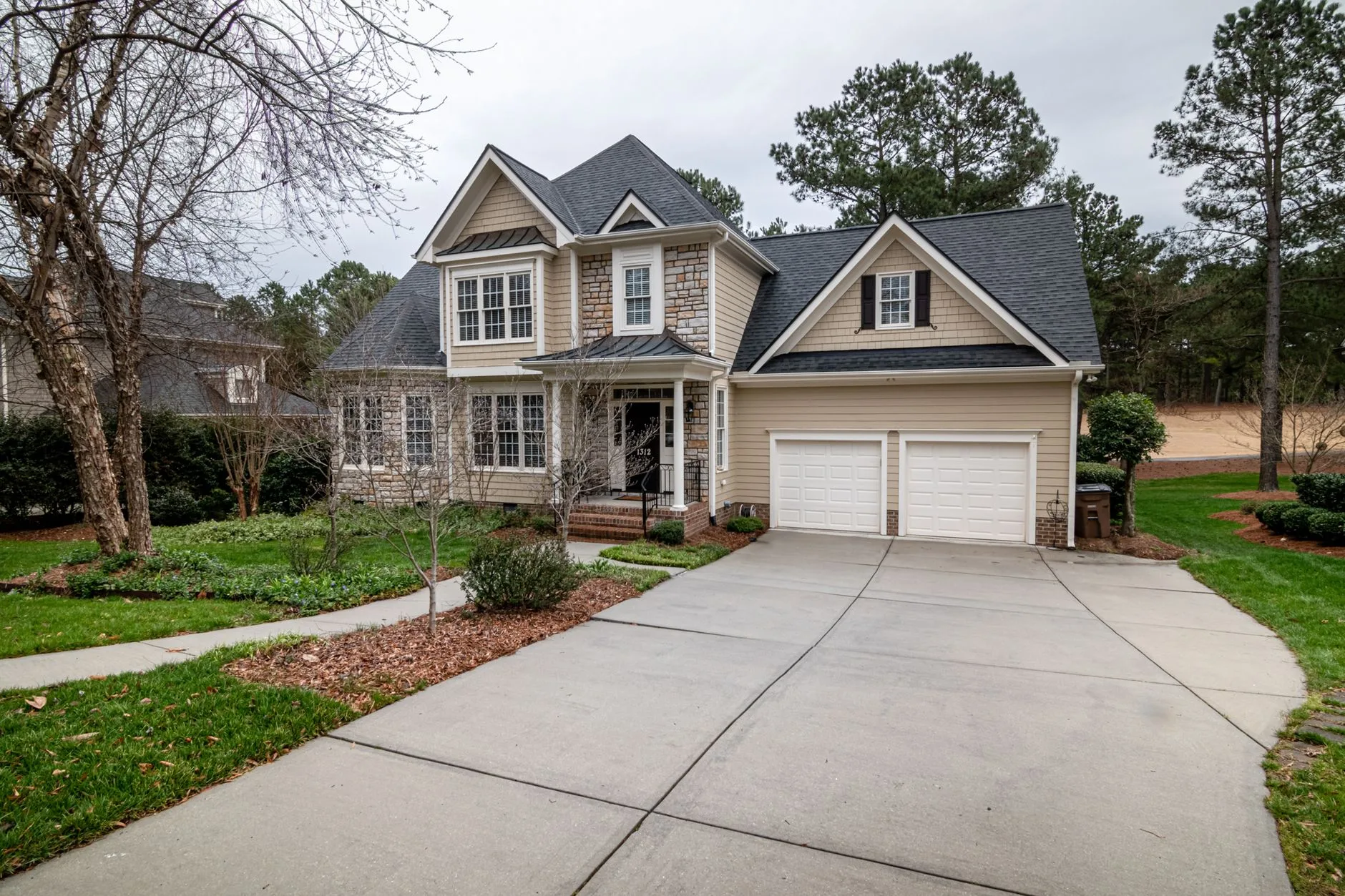
Curling and cracking are two of the more visually obvious signs of shingle aging, and they’re often the first thing homeowners notice from the ground once a roof starts genuinely showing its age. Understanding what actually causes each helps make sense of what they mean for your roof’s remaining life.
What Causes Curling
Asphalt shingles lose flexibility as their oils and resins break down over time from UV exposure and heat cycling. As that flexibility goes, the shingle’s edges or center can lift away from a flat profile - a process generally split into two patterns. Edge curling (clawing) typically develops as the shingle mat ages and loses moisture and flexibility from the outside in. Cupping, where the shingle’s center dips while edges stay relatively flat, more often ties to excess heat from below, frequently the result of inadequate attic ventilation cooking the shingle from underneath rather than pure surface aging.
What Causes Cracking
Cracking generally results from the same underlying mat deterioration as curling, combined with the repeated expansion and contraction shingles undergo through seasonal temperature swings. Once a shingle loses flexibility, it can no longer accommodate that movement without fracturing. Hail impact causes a different, more sudden form of cracking - a fracture concentrated at the impact point rather than distributed generally across the shingle, often accompanied by granule loss right at that spot.
Ventilation’s Role in Premature Aging
This is worth emphasizing: a roof can show curling or cracking well before its expected lifespan if attic ventilation isn’t adequate. Trapped summer heat pushes shingle temperatures higher than they’d otherwise reach, accelerating the same mat breakdown that would normally take decades. If you’re seeing these signs on a roof under 15 years old, ventilation is one of the first things worth having checked, since fixing that can slow further deterioration even if the already-damaged shingles need repair.
What These Signs Mean for Repair vs. Replacement
A handful of curled or cracked shingles isolated to one section of an otherwise sound roof can often be addressed with a spot repair. Curling or cracking spread broadly across the whole roof is a stronger signal that the entire shingle field is aging out together, meaning a spot repair would just be delaying an inevitable, broader replacement rather than actually solving the underlying problem.
What to Do If You’re Seeing These Signs
A visual check from the ground can identify the pattern, but a professional on-roof inspection gives you a clearer picture of how widespread the issue actually is and whether ventilation is a contributing factor. That combination - extent of damage plus underlying cause - is what determines whether you’re looking at a manageable repair or a signal that replacement planning should start.
Frequently Asked Questions
Is shingle curling always a sign of old age?
What's the difference between shingles curling at the edges versus cupping in the middle?
Can cracked shingles be spot-repaired, or do they always mean a bigger problem?
Does hail cause cracking that looks different from age-related cracking?
If I see a few curled shingles, should I worry about the whole roof?
Like this article? Make BH Roofing a preferred source in Google Search.
Related Services
Related Reading
Get Your Free Estimate
Tell us about your roof and we'll follow up within one business day - no obligation.
Prefer to talk it through first?
Call (216) 424-3811