Financing a New Roof: What Cleveland Homeowners Should Know
Published · Related to Roof Replacement
Get BH Roofing first in Google
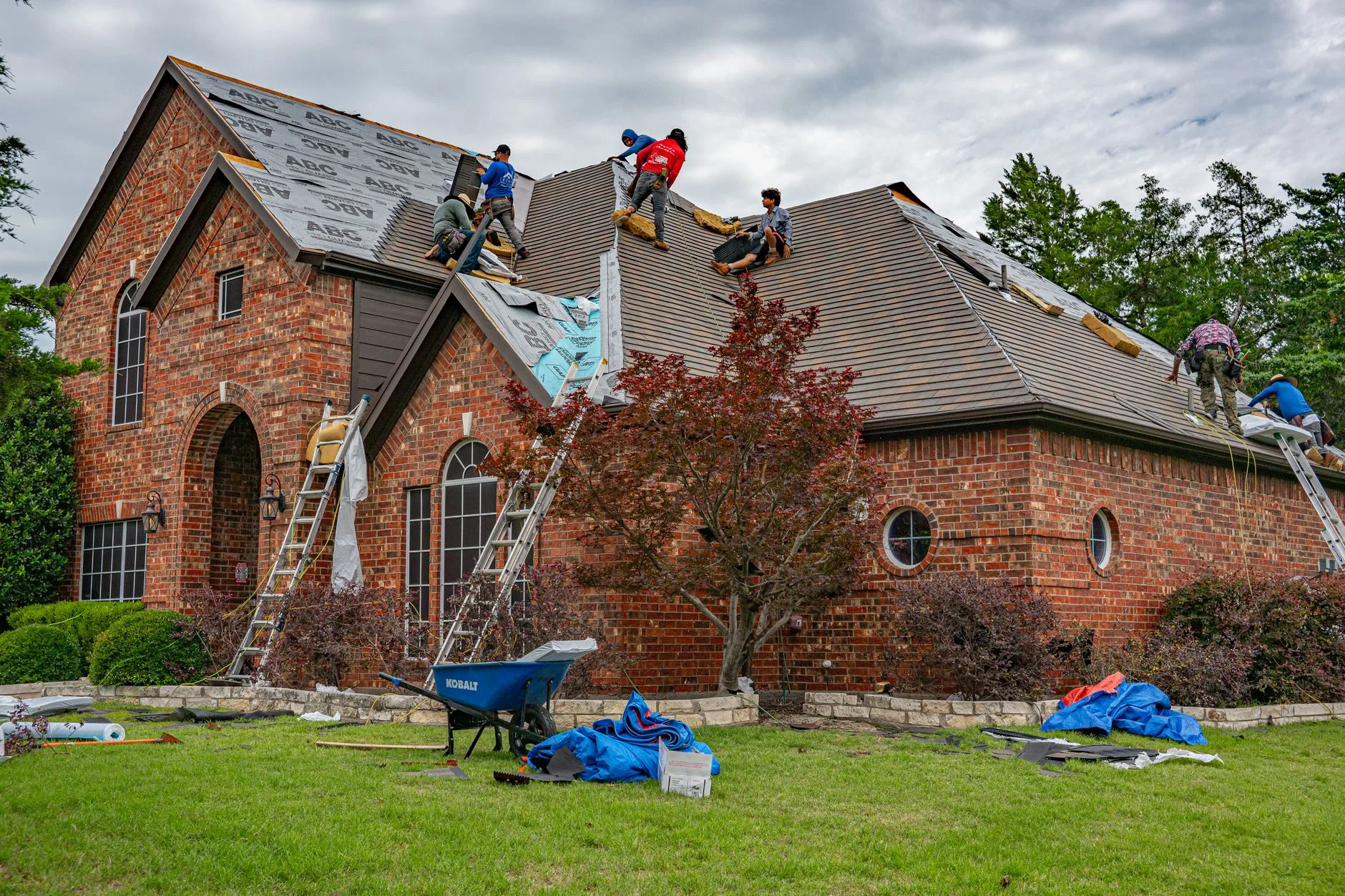
A full roof replacement is one of the larger single expenses most Cleveland homeowners take on for their property, and most people don’t pay for it entirely in cash. Understanding the actual financing landscape - and the fine print that separates a good option from an expensive mistake - matters as much as picking the right contractor.
Contractor-Arranged Financing
Many roofing companies, including us, can connect homeowners with third-party lenders who specialize in home improvement financing. These often move faster than a bank loan and are structured specifically around project-based expenses. Terms vary significantly by lender, so it’s worth reviewing the actual interest rate and repayment schedule rather than just the monthly payment figure presented upfront.
Home Equity Loans and Lines of Credit
If you have meaningful equity in your home, a home equity loan or HELOC often carries a lower interest rate than unsecured financing, since it’s backed by your property. The tradeoff is a longer setup process - appraisals, underwriting, closing - which may not fit a timeline if your roof needs replacing urgently. This option tends to make more sense for planned replacements than emergency situations.
Personal Loans
Unsecured personal loans move faster and don’t require home equity, but generally carry higher interest rates than home-equity-backed options. For homeowners without significant equity or those wanting to avoid using their home as collateral, this remains a reasonable path, particularly for mid-range project costs.
Understanding 0% Promotional Financing
Manufacturer and dealer-affiliated financing programs sometimes offer promotional 0% interest periods, which can be a genuinely strong option if the balance is paid off within that window. The important distinction is whether it’s structured as deferred interest - where missing the payoff deadline triggers retroactive interest on the full original balance - or true no-interest financing where you simply pay whatever’s still owed at standard terms afterward. Ask this question directly and get the answer in writing before signing.
What Insurance Does and Doesn’t Cover
Financing and insurance are two separate paths that sometimes get confused. Insurance may cover roof replacement cost if the damage stems from a specific, sudden covered event - wind, hail, a fallen tree - but not from age-related wear. If your roof was storm-damaged, pursuing a claim first (see our insurance claims guide) may reduce or eliminate what you need to finance at all.
Questions Worth Asking Before You Sign Anything
Before committing to any financing arrangement: What is the actual annual percentage rate, not just the monthly payment? Is this deferred interest or true no-interest? What is the total repayment length, and is there a penalty for paying it off early? Is the loan secured against my home, and what happens if I can’t make a payment? A contractor or lender who can’t answer these clearly and patiently isn’t one you should be financing a major home expense through.
Frequently Asked Questions
What are the main ways homeowners finance a roof replacement?
Is 0% financing on a roof replacement actually free?
Does homeowners insurance ever help pay for a roof replacement?
Should I use a home equity loan or a personal loan for a roof?
Will a roofing contractor pressure me into financing I don't need?
Like this article? Make BH Roofing a preferred source in Google Search.
Related Services
Related Reading
Get Your Free Estimate
Tell us about your roof and we'll follow up within one business day - no obligation.
Prefer to talk it through first?
Call (216) 424-3811