
Roof Ventilation Guide: Why Airflow Matters More Than You Think
Published · Related to Roof Ventilation
Get BH Roofing first in Google
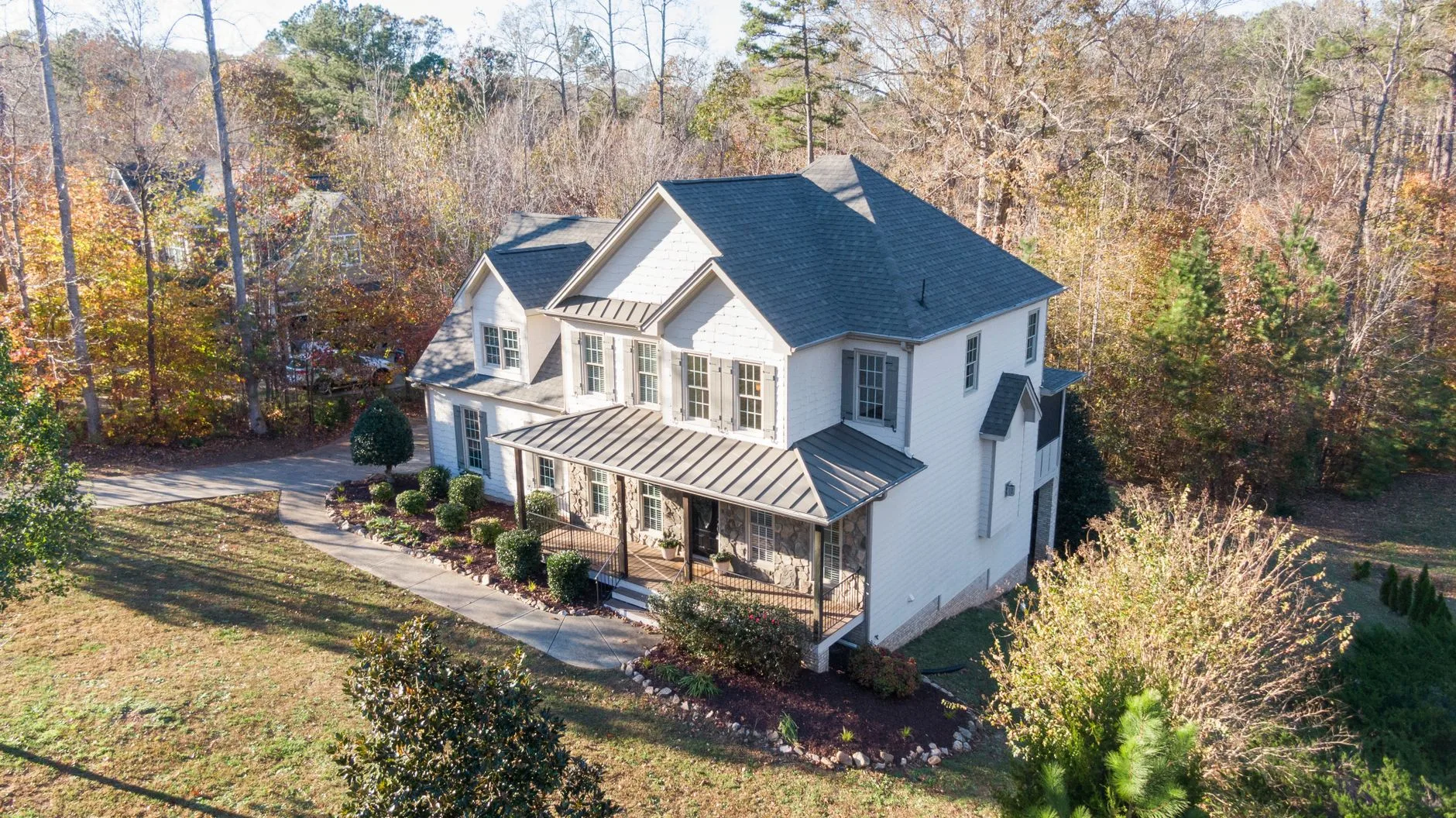
Ask most homeowners about their roof and they’ll talk about shingles, maybe gutters. Almost nobody mentions ventilation, despite it being one of the components most directly responsible for how long a roof actually lasts and whether it develops the region’s most common winter problem.
What Ventilation Actually Does
A functioning attic ventilation system moves outside air continuously through the attic space - cool air entering through soffit vents at the eaves, warm air exiting through ridge vents at the peak. This continuous airflow keeps the attic closer to outdoor ambient temperature year-round, which matters in both directions: preventing summer heat buildup that accelerates shingle aging, and preventing winter heat retention that causes ice damming.
The Intake and Exhaust System
Ventilation works as a balanced system, not a single component. Soffit vents provide intake - the source of fresh outside air. Ridge vents (or sometimes gable or other exhaust vents) provide the exhaust path for that air, along with whatever heat and moisture it’s picked up, to exit. Having exhaust without adequate intake, or vice versa, undermines the whole system - a ridge vent without sufficient soffit intake can actually draw conditioned air from the living space instead of fresh air from outside, which defeats the purpose entirely.
The Ice-Dam Connection
This is the consequence most Cleveland homeowners eventually learn about the hard way. Inadequate ventilation lets attic heat build up and warm the underside of the roof deck unevenly, melting snow on upper roof sections that then refreezes at the colder eave, forming an ice dam. Balanced ventilation keeps the roof deck temperature closer to outdoor ambient, so snow melts more evenly (primarily from sun exposure rather than attic heat), significantly reducing ice-dam risk.
The Shingle Lifespan Connection
Beyond winter-specific concerns, inadequate ventilation traps summer heat against the underside of the shingles, accelerating the breakdown of the asphalt mat and granule bond faster than surface weathering alone would cause. A well-ventilated roof commonly reaches closer to its full rated lifespan than a poorly ventilated one carrying the same shingle product.
Common Ventilation Problems We Find
Insufficient soffit intake, sometimes from original construction and sometimes from insulation later pushed too far into the eaves and physically blocking the vent path, is one of the most frequent issues. Ridge vents installed without adequate matching intake is another common pattern. Older homes, particularly those built before ventilation standards were as rigorously enforced, often show a combination of both.
Fixing Ventilation Without a Full Roof Replacement
Ventilation upgrades - adding or clearing soffit vents, installing baffles to keep insulation from blocking the intake path, upgrading ridge venting - can typically be done as a standalone project, without waiting for a full roof replacement. If you’re dealing with recurring ice dams or attic moisture concerns, this is often one of the more cost-effective fixes available, addressing the actual cause rather than repeatedly treating symptoms.
Frequently Asked Questions
How can I tell if my attic ventilation is actually adequate?
What's the ideal ratio of soffit intake to ridge exhaust?
Can too much ventilation be a problem, or is more always better?
Does every roof need the same type of ventilation system?
Is it worth upgrading ventilation on a roof that isn't due for replacement yet?
Like this article? Make BH Roofing a preferred source in Google Search.
Related Services
Related Reading
Get Your Free Estimate
Tell us about your roof and we'll follow up within one business day - no obligation.
Prefer to talk it through first?
Call (216) 424-3811