
How Often Should You Have Your Roof Inspected?
Published · Related to Roof Inspections
Get BH Roofing first in Google
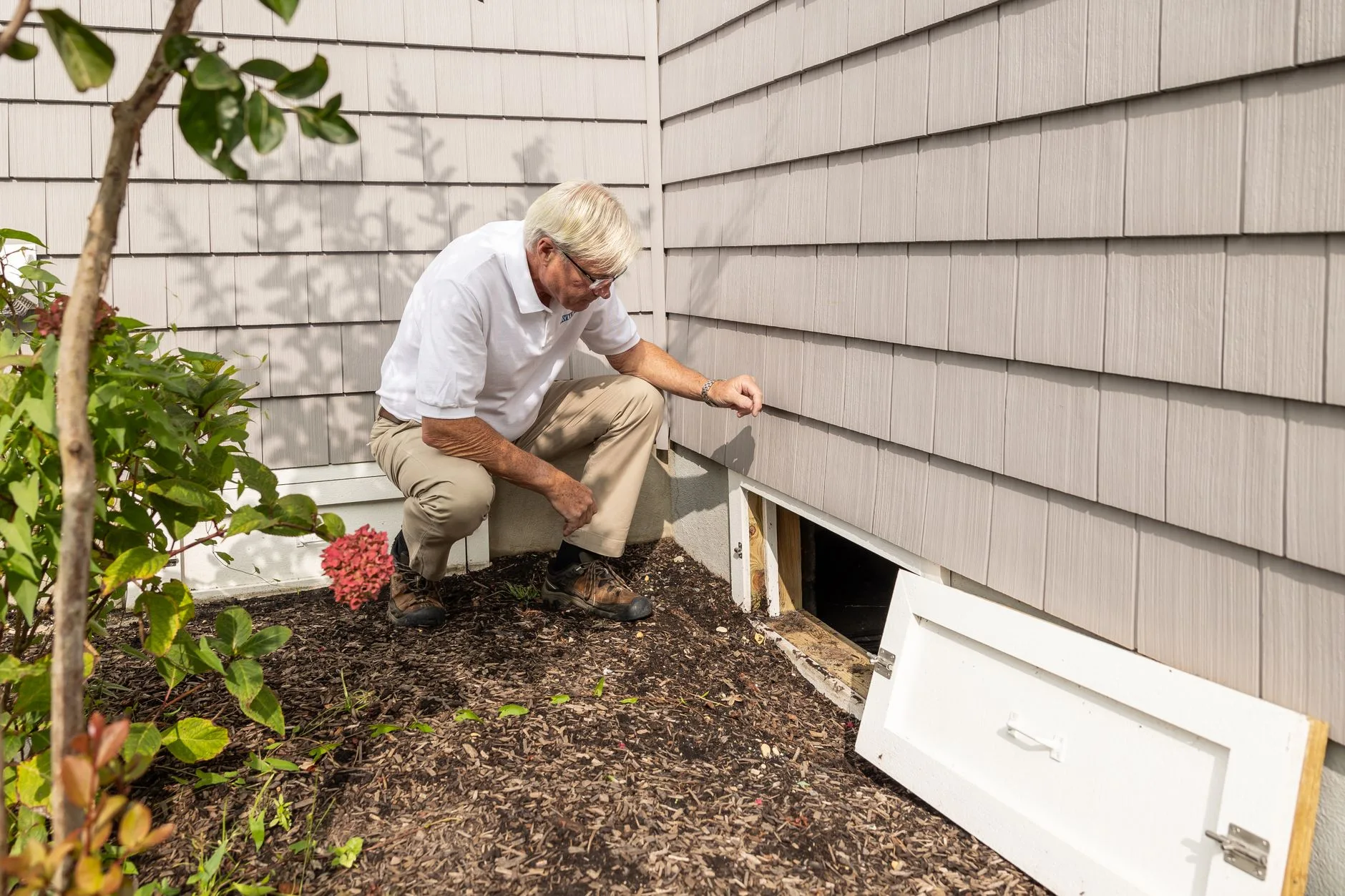
The honest answer to how often a roof needs inspecting depends on a few factors - age, storm history, and season - but there’s a reliable general standard that works well for most Cleveland-area homes, with some adjustments worth understanding for specific situations.
The Twice-Yearly Standard
We recommend two scheduled inspections annually: one in fall, before winter weather arrives, and one in spring, after the freeze-thaw season has passed. This timing isn’t arbitrary - the fall inspection catches anything that should be addressed before winter tests it, particularly flashing, ventilation, and gutter condition. The spring inspection assesses what winter actually did, catching ice-dam damage, loosened shingles, or gutter issues while they’re still fresh and before another summer of UV exposure compounds them.
Why Once a Year Isn’t Quite Enough
An annual inspection, timed to just one season, misses one of these two critical windows. If it happens in spring only, you go into winter without a pre-season check. If it happens in fall only, you miss assessing what the winter actually did until problems have had a chance to sit through spring and summer before being caught.
After Significant Storms, Regardless of Schedule
Beyond the routine seasonal schedule, any storm severe enough to produce visible neighborhood debris, reports of damage, or a notable hail or wind event warrants its own inspection, independent of when your next scheduled check falls. Wind and hail damage are frequently not visible from the ground, which is exactly why a specific post-storm check matters rather than waiting for the next routine visit.
Does Roof Age Change the Frequency?
The twice-yearly baseline applies regardless of age, but what an inspection focuses on shifts somewhat. Newer roofs are checked partly to confirm installation quality and catch any early issues while they’re still covered under warranty. Older roofs get closer scrutiny for age-related wear, granule loss, and the cumulative effects of multiple freeze-thaw seasons.
What a Legitimate Inspection Should Include
A proper inspection involves an actual on-roof assessment - not just a look from the ground or a driveway - checking flashing, shingle or membrane condition, ventilation, and gutters, followed by a written report of findings. If an “inspection” is really just a fast pretext for an immediate sales pitch without real documentation, that’s worth being skeptical of regardless of whether it’s advertised as free.
The Cost of Skipping Regular Checks
The practical risk of infrequent or skipped inspections isn’t usually catastrophic failure out of nowhere - it’s smaller, cheaper issues compounding unnoticed into bigger ones. A minor flashing gap becomes a deck repair; an early ventilation issue becomes a recurring ice dam; early granule loss becomes a roof failing years before its rated lifespan. Regular inspections are one of the more cost-effective ways to protect the larger investment a roof represents.
Frequently Asked Questions
Is twice a year really necessary, or is once enough?
Should I get an inspection after every storm, or only major ones?
Does a newer roof need inspections as often as an older one?
Are free inspections actually thorough, or just a sales pitch?
What's the risk of skipping regular inspections entirely?
Like this article? Make BH Roofing a preferred source in Google Search.
Related Services
Related Reading
Get Your Free Estimate
Tell us about your roof and we'll follow up within one business day - no obligation.
Prefer to talk it through first?
Call (216) 424-3811