Best Time of Year to Replace Your Roof in Ohio
Published · Related to Roof Replacement
Get BH Roofing first in Google
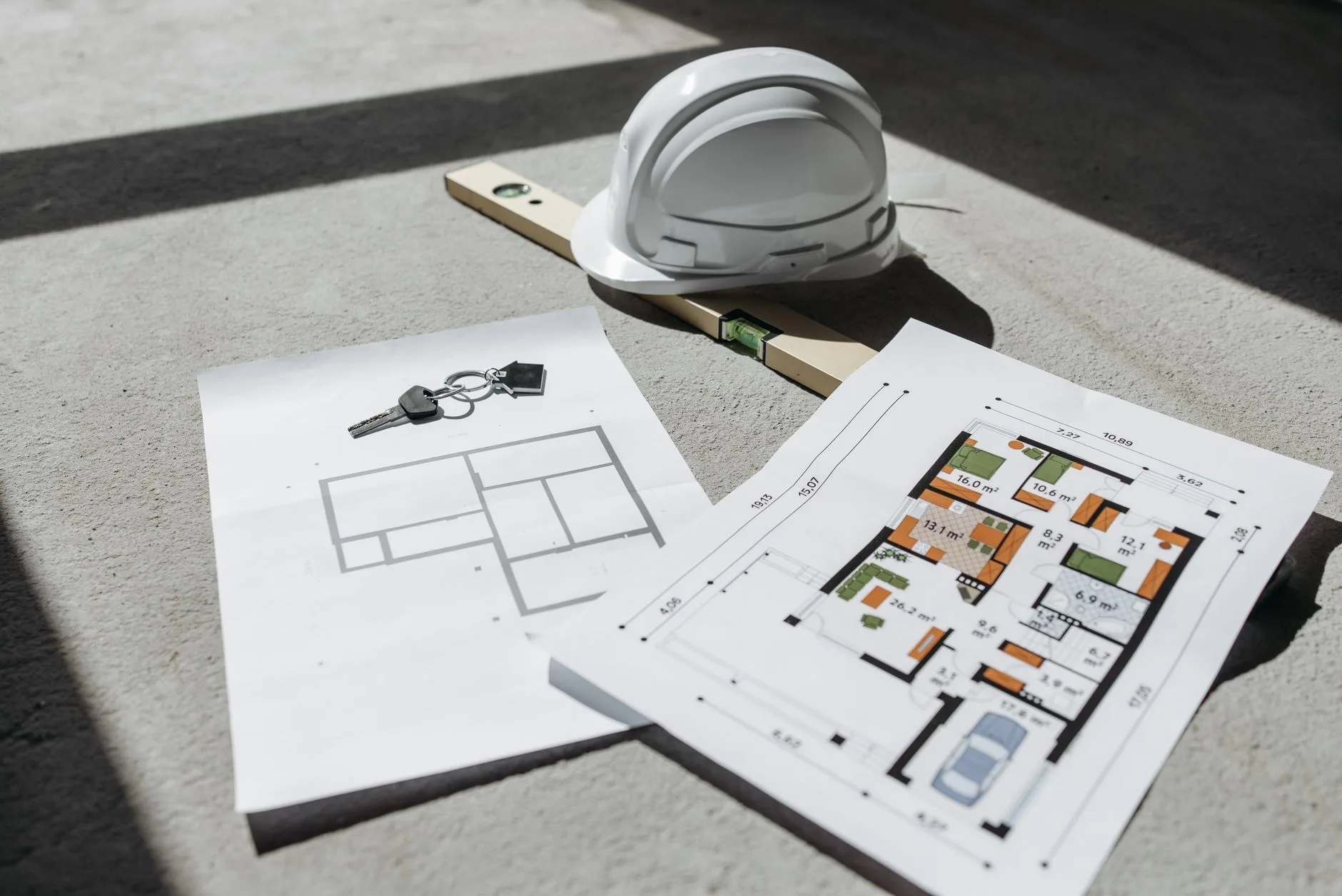
Homeowners often ask if there’s a “right” time of year to replace a roof in Cleveland, and the honest answer is that several seasons work fine, each with its own tradeoffs. The season that matters most, though, is the one your roof is actually telling you it needs - an active leak doesn’t benefit from waiting for ideal conditions.
Spring: Assessing Winter’s Damage
Spring is when a lot of roofing decisions get made, simply because it’s when winter’s damage becomes visible - ice dam staining, loosened shingles, gutter damage from ice weight. Moderate temperatures make for good working conditions, but it’s also one of the busiest seasons for scheduling, so booking early matters if you’re planning ahead rather than reacting to an emergency.
Summer: Reliable Conditions, Steady Demand
Summer offers consistent dry weather and enough daylight for full workdays, which keeps projects moving efficiently. The tradeoff is that it’s a popular season across the whole region, so availability can be tighter, and very hot days occasionally affect scheduling around midday heat for crew safety. Shingles also become more pliable in high heat, which installers account for in handling and walking technique.
Fall: Our Recommended Window for Planned Replacements
If we had to recommend one season for a planned (non-emergency) replacement, it’s fall. Temperatures are moderate enough for proper shingle sealing - asphalt shingles rely on heat-activated adhesive strips to bond correctly, and fall usually still provides enough warm afternoons for that to happen reliably. Getting the work done before the first hard freeze also means any ice-and-water shield and ventilation improvements are in place before the season that tests them most.
Winter: Possible, With Real Tradeoffs
Winter roof replacement happens, particularly for active leaks or storm damage that can’t wait. It requires cold-weather installation techniques, since standard shingle sealants don’t activate the same way in freezing temperatures, and snow or ice on the existing roof can delay start dates for safety. We complete winter jobs regularly when the roof’s condition demands it, but we won’t pretend it’s the ideal season if your roof can safely wait.
What Actually Should Drive Your Timeline
Roof condition matters more than season. A roof with an active leak, exposed deck, or storm damage should be addressed regardless of time of year - the cost of continued water damage to insulation, framing, or interior finishes typically outweighs any seasonal pricing or scheduling advantage. For a roof that’s aging but not yet failing, choosing a moderate-weather season like fall or spring is a reasonable way to optimize timing, as long as you’re not pushing a genuinely urgent repair into next season just to hit a preferred month.
Scheduling Around Cleveland’s Storm Patterns
We also track incoming weather during any scheduled tear-off. If a storm front is inbound on your install date, we’ll adjust the schedule rather than leave a home with an open deck overnight - this applies in any season, but it’s worth knowing that a firm calendar date isn’t always the firm reality when Lake Erie weather has other plans.
Frequently Asked Questions
Is fall really the best season for a roof replacement in Cleveland?
Can a roof be replaced in the winter in Ohio?
Does replacing a roof in summer cause any problems?
Should I wait for a specific season if my roof is actively leaking?
Do roofing prices change by season in Cleveland?
Like this article? Make BH Roofing a preferred source in Google Search.
Related Services
Related Reading
Get Your Free Estimate
Tell us about your roof and we'll follow up within one business day - no obligation.
Prefer to talk it through first?
Call (216) 424-3811