Roof Sagging: Causes and What to Do About It
Published · Related to Roof Inspections
Get BH Roofing first in Google
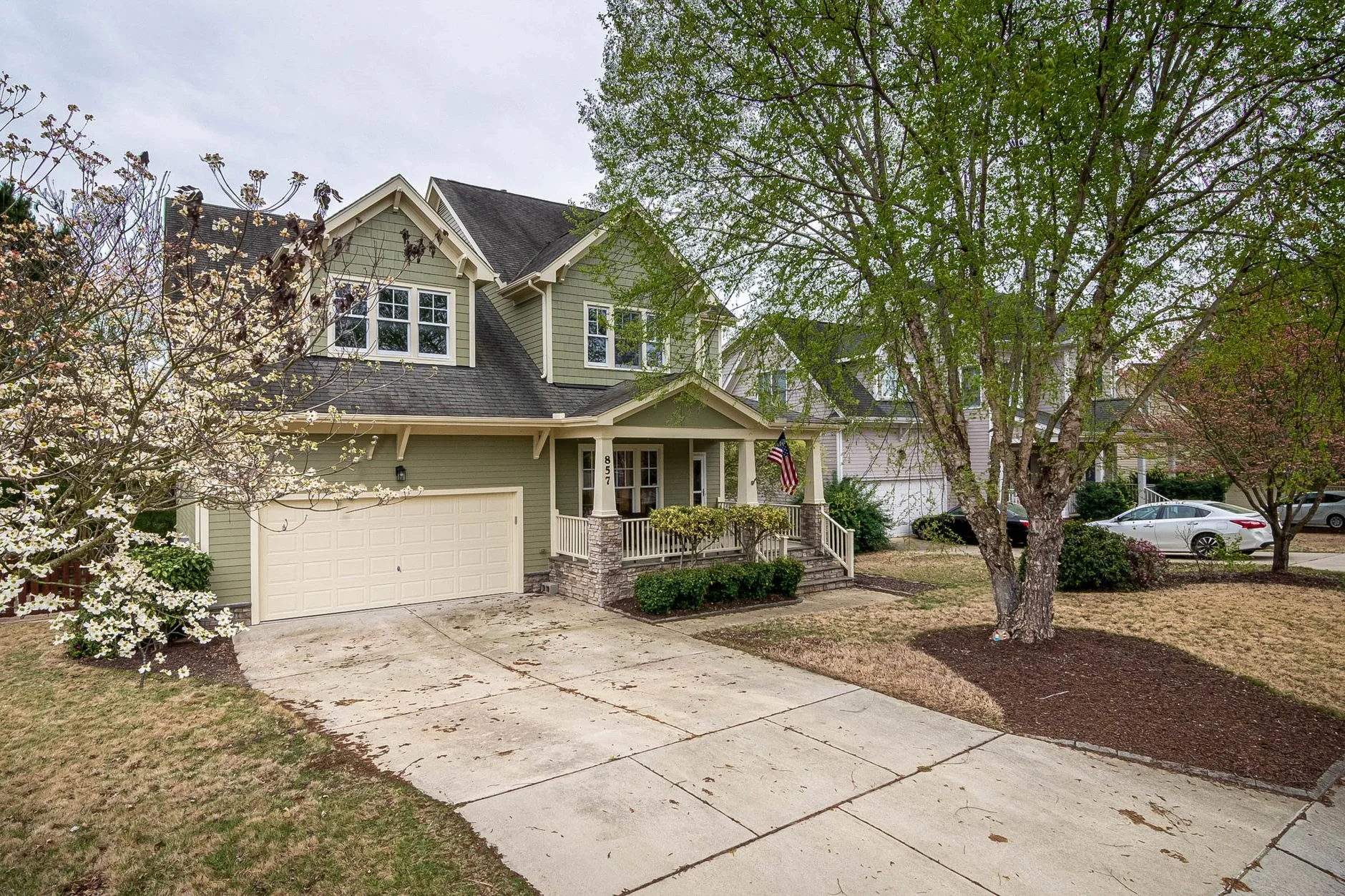
A sagging roofline is one of the more visually alarming signs a homeowner can notice, and for good reason - unlike a missing shingle or a small stain, a sag points toward the structure itself, not just the roofing surface. It’s worth understanding what actually causes it and how urgently to respond.
Long-Term Water Damage
The most common cause we find, particularly on older homes, is rafters or deck sheathing weakened by years of undetected moisture - often from a slow leak at a valley, chimney, or eave that was never fully addressed. Wood loses structural strength as it absorbs moisture repeatedly over time, and a sag in this scenario is often localized to the specific area where the leak has been occurring.
Inadequate Original Framing
Some sagging traces back to the home’s original construction - rafters or trusses sized inadequately for the roof’s actual load, sometimes from an addition or renovation that added weight without properly reinforcing the structure underneath. This type of sag tends to be more gradual and spread across a broader section rather than isolated to one clear spot.
Heavy Snow Load
Cleveland’s lake-effect snow can produce genuinely heavy accumulation in a short period, and while a properly built roof structure should handle typical seasonal loads without issue, a roof already weakened by rot or marginal framing can be pushed toward visible sagging by an unusually heavy snow event.
Age and Cumulative Structural Fatigue
Over many decades, wood framing can experience gradual structural fatigue even without a specific triggering event, particularly in older homes that have gone through repeated freeze-thaw cycling and moisture exposure over their lifetime.
Why Sagging Shouldn’t Wait
Unlike a cosmetic shingle issue, a sagging roofline reflects something happening to the structure supporting the entire roof system. Left unaddressed, the underlying cause - whether ongoing water damage or structural fatigue - typically continues, and the sag itself can worsen over time, potentially escalating from a repairable issue to a much larger structural project.
What an Assessment Actually Looks At
Diagnosing a sag properly requires getting into the attic to examine rafters and decking directly, not just observing the sag’s appearance from outside. We look for moisture staining, soft or spongy wood, and any pattern that points toward a specific historical leak location versus a more generalized structural issue.
Repair Versus Replacement for a Sagging Roof
Isolated sagging tied to a specific, addressable leak source can sometimes be structurally repaired - replacing damaged rafters or deck sections - without requiring a full roof replacement. More widespread structural fatigue or extensive rot often makes full replacement the more sensible long-term path. Either way, a sagging roofline is a clear signal to get a professional assessment promptly rather than waiting to see if it gets worse on its own.
Frequently Asked Questions
Is a sagging roof always an emergency?
Can heavy snow load alone cause a roof to sag?
What's the difference between a sag caused by water damage versus one caused by original construction?
Should I try to assess roof sagging myself before calling a professional?
Does a sagging roof always mean the whole roof needs replacing?
Like this article? Make BH Roofing a preferred source in Google Search.
Related Services
Related Reading
Get Your Free Estimate
Tell us about your roof and we'll follow up within one business day - no obligation.
Prefer to talk it through first?
Call (216) 424-3811