Metal Roofing vs. Asphalt Shingles: Which Is Right for Northeast Ohio?
Published · Related to Metal Roofing
Get BH Roofing first in Google
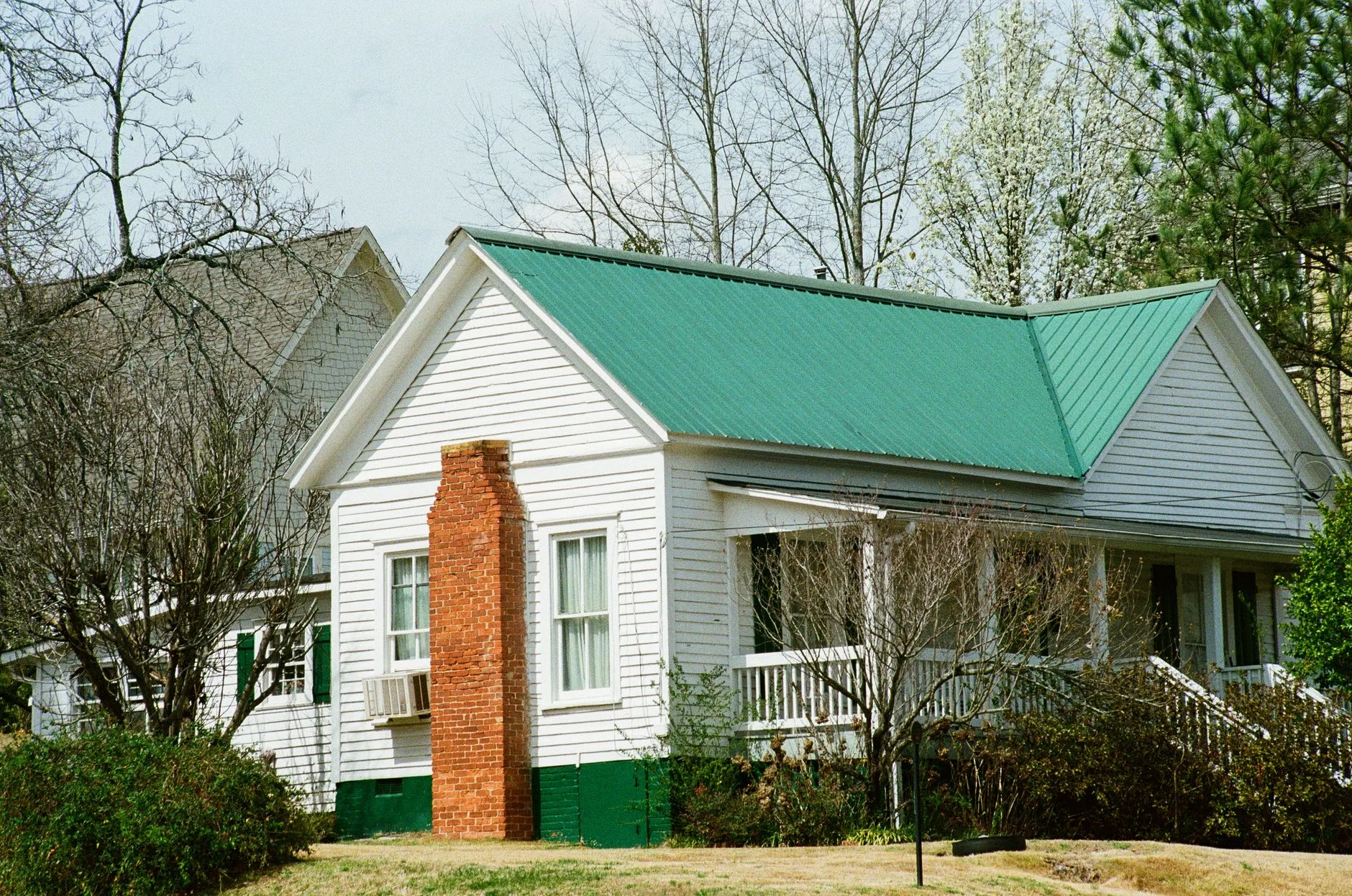
The metal-versus-asphalt question comes up constantly with Cleveland homeowners planning a replacement, and there isn’t a universal right answer - both materials perform well in our climate when installed correctly, and the better choice depends on your specific home, budget, and timeline.
Upfront Cost
Architectural asphalt shingles remain the more affordable option upfront, which is a big part of why they’re still the most commonly installed material in our service area. Metal roofing carries a higher initial cost, reflecting both material price and a more specialized installation process.
Lifespan and Long-Term Value
This is where the comparison gets more interesting. Architectural shingles typically last 20-30 years with proper installation and ventilation. Standing-seam metal often exceeds 50 years. When you divide total cost by expected years of service, the gap between the two materials narrows considerably, and for homeowners planning to stay in a property long-term, metal’s total cost of ownership can come out ahead despite the higher upfront price.
Snow and Ice Performance
Metal’s smooth surface sheds snow and ice more readily than asphalt shingles, which rely on more surface friction. This matters directly for ice-dam risk - less snow sitting on the roof means less meltwater available to refreeze at the eave in the first place. For homes with a history of ice damming, or those in particularly exposed lakefront locations, this is often the deciding factor in choosing metal.
Wind Performance
Standing-seam metal panels use concealed fasteners and interlocking seams, giving them meaningfully better wind uplift resistance than exposed-fastener asphalt shingles. This is a real consideration in lakefront communities like Lakewood, Euclid, and Eastlake that see some of our highest sustained wind exposure, though quality architectural shingles installed with enhanced nailing patterns still perform solidly in most of our service area.
Appearance and Style Options
Asphalt shingles offer the widest range of colors and textures at every price point. Metal roofing has expanded well beyond the traditional vertical-panel look, with stone-coated metal shingle systems now available that mimic slate, shake, or traditional shingle appearance while carrying metal’s durability - a good option for homeowners who want metal’s performance without departing from a traditional aesthetic.
Making the Actual Decision
If budget is the primary constraint and your roof doesn’t have a specific history of ice-dam or wind damage, quality architectural asphalt shingles remain a sound, well-proven choice. If you’re planning to stay in your home long-term, have had recurring ice-dam issues, or live in one of our higher-wind-exposure lakefront suburbs, metal’s performance advantages are worth the additional upfront investment. We’ll walk through your specific roof, location, and history during a free inspection to help make that call concretely rather than in the abstract.
Frequently Asked Questions
Which material actually holds up better against Cleveland winters?
How much more expensive is metal roofing than asphalt shingles?
Is one material actually safer in high wind than the other?
Does either material need different maintenance in our climate?
Can I switch from asphalt to metal without major structural changes?
Like this article? Make BH Roofing a preferred source in Google Search.
Related Services
Related Reading
Get Your Free Estimate
Tell us about your roof and we'll follow up within one business day - no obligation.
Prefer to talk it through first?
Call (216) 424-3811