Storm Chaser Roofing Scams in Northeast Ohio: What the Ohio Attorney General Says to Watch For
Published · Related to Storm Damage Roofing
Get BH Roofing first in Google
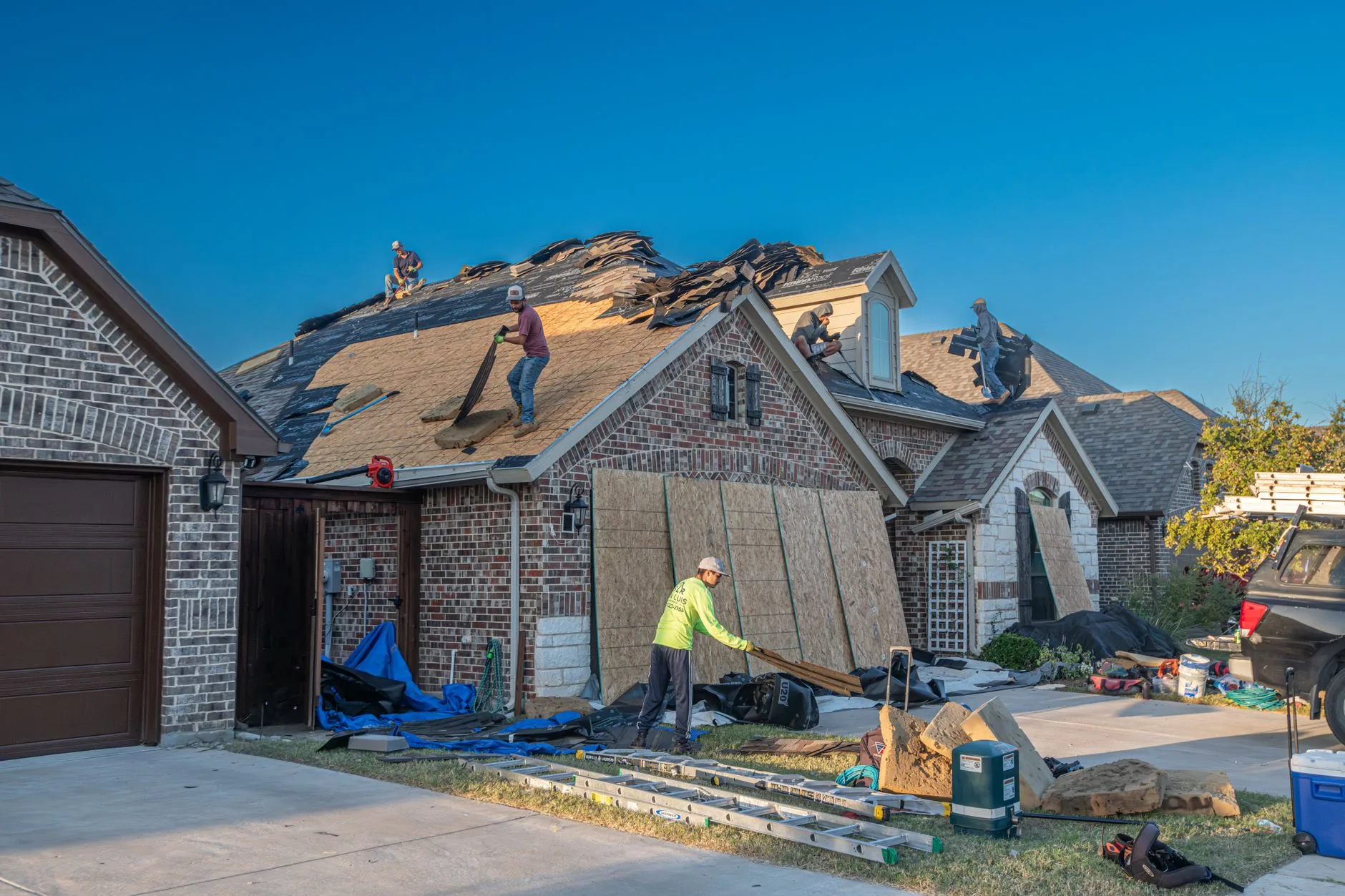
In March 2026, the Ohio Attorney General’s Office went to Cuyahoga County Common Pleas Court to sue a Virginia-based contractor, CMN Group, also known as General Contractors National. According to the lawsuit, the company sold exterior home repairs in storm-damaged areas of northeastern Ohio in 2024, promised to work with customers’ insurance companies, took deposits for new roofs and siding, and then delivered no work. The office said it had 24 unresolved complaints against the company, with alleged losses totaling $188,000.
That case is not unusual. The same office sued two other storm-chasing home repair companies in 2024, and in August 2026 Attorney General Andy Wilson issued a statement warning Ohioans about storm-related scams after high winds and heavy rain damaged homes across the state. If your Northeast Ohio roof just took a hit and people are knocking on your door, this is what Ohio’s own consumer protection offices say to look for.
What a storm chaser actually does
The Attorney General’s Office describes storm chasers as home repair contractors who target homeowners after wind, rain, hail and tornadoes, offering new roofs, tree limb removal or whole-home repairs. The common pattern it describes is simple: ask for a large down payment, take the money, and move on to the next community without doing the work.
The office’s own cases show how that plays out:
- CMN Group (Cuyahoga County, filed March 2026): 24 unresolved complaints, about $188,000 in alleged losses, for roofs and siding that customers paid for and never received, according to the lawsuit.
- Magic Touch Exteriors (Franklin County, filed September 2024): the office cited 38 complaints, 16 from Ohio residents, alleging contracts for storm-related roof, gutter and siding repairs with little or no work performed. Estimated damages exceeded $460,000, with individual losses from $2,000 to $30,000. Many consumers also reported problems with payments and communications involving insurance companies.
- Liberty Restoration (Franklin County, filed August 2024): accused of taking $158,000 in payments without doing the repairs or issuing refunds.
- A 2015 criminal case: the office described a Reynoldsburg man who used software to find storm-damaged areas, approached homeowners at their doors, encouraged them to request insurance money for new roofs, deposited their insurance checks and never sent anyone back to do the work. Many of the victims were elderly. He was sentenced to 59 months in prison.
Notice how often insurance money shows up in those cases. A roof claim can put a large check in a homeowner’s hands quickly, and that is exactly what these operators are after. If you are in the middle of a claim, our guide to how insurance roof claims work in Ohio walks through the process itself.
The warning signs Ohio officials list
The Attorney General’s disaster recovery flyer says it might be a scam if you are being asked to act immediately, to make a large down payment, to buy a prepaid money or gift card, or to wire money. It also warns that some scam artists pose as government officials, safety inspectors or utility workers and suggest that immediate work is needed. Its advice there is to ask for identification.
The flyer also says to beware of contractors who arrived only after the disaster. It is fair about this: some of them may legitimately be there to help. But others, it says, may offer to do quick work or to use their remaining supplies, then leave with your money. The Attorney General’s April 2026 consumer newsletter says the same thing more directly: if a contractor claims to have leftover materials from a nearby job, or offers unbelievably low prices, be suspicious.
Other red flags from the Attorney General’s guidance:
- A large payment before work starts. The flyer says not to accept services from a contractor who insists on a large payment before work begins, who refuses to provide proper identification, who has no permanent place of business, or who cannot provide references.
- A check made out to a person, not a company. The office warns to be cautious of contractors who want payment made out to them personally instead of to a business.
- Pressure to start right away. The flyer says to be cautious of people who knock on your door and want to begin working immediately. Businesses that solicit you at your home must provide a three-day right to cancel, and the flyer says they should not begin the work for at least three days.
- No written estimate. The flyer says to refuse to do business with any company that will not provide one.
Before you sign: what Ohio and Cuyahoga County tell homeowners to check
Get the contractor’s details and look them up. The Attorney General’s Office says to ask the company representative for identification and to note the person’s name, address and phone number, and to be cautious of any contractor who won’t provide this. Then check for complaints with the Attorney General’s Office and the Better Business Bureau. The office also runs a public search of lawsuits its Consumer Protection Section has filed, so you can see whether a company has already been sued.
Know what licensing does and does not mean here. The Attorney General’s home improvement tips say state law does not require home improvement contractors to be licensed, but many Ohio cities do. So the question to ask is local. In Cleveland, the City’s Office of Consumer Affairs says a contractor must be licensed, bonded and insured to work in the city, and you can verify that by calling the Department of Building and Housing at 216-664-2910. Cuyahoga County’s Department of Consumer Affairs gives the same advice for every community: check with your local building department before work starts to see whether the project needs a permit and whether contractors must be licensed or registered in your city. Our Cleveland service area page covers more about working on homes in the city.
Get at least three written estimates. Both the Attorney General’s Office and the City of Cleveland recommend estimates from at least three contractors. The county adds a useful point: if estimates vary greatly, call the contractors back and ask why, since a large price gap could mean differences in materials or in the scope of work.
Read the contract, and make it complete. The county says a contract should include your name and address, the contractor’s name and address, start and end dates, and a complete description of the work. It should require the contractor to pull any required permits in the contractor’s name, not yours, and require your written approval for changes. The county also says to watch for clauses that make you pay attorney’s fees, court costs or damages in a dispute, and to be wary of arbitration clauses. The Attorney General adds that the contract should spell out, in writing, any specifics regarding potential insurance payments, including what happens if insurance does not pay. The Attorney General also says to insist on a copy of every document you sign or initial.
Pay in stages, and not in cash. The Attorney General’s suggested schedule is one third at the start, one third after half the work is done to your satisfaction, and the final third at completion. It advises against paying cash, since that leaves a limited paper trail, and says paying by credit card generally gives you more protection to dispute charges than cash or a check.
If you already signed at your door
Ohio’s Home Solicitation Sales Act gives you a way out of many contracts signed at home. The Attorney General’s Office says that if a contract resulted from a door-to-door sale, you generally have three days to cancel, and the seller is required to give you written notice of these rights. The law has exceptions and specific rules about how to cancel, so read the cancellation notice you were given and act right away rather than waiting to see whether the crew shows up.
How to report a contractor in Ohio
If you think you have been scammed, or a contractor simply will not resolve a problem, these are the offices to contact:
Ohio Attorney General’s Office. File a complaint at OhioProtects.org or call 800-282-0515. The office says it provides free, informal dispute resolution. Its online complaint form lets you upload up to four related documents, such as contracts, receipts, estimates and invoices, so gather those first. Two things to know before you file: the form states that the information you submit is considered public and may be released on request, and that a copy of your complaint may be sent to the business. The form also states that the Attorney General cannot act as your private attorney.
Cuyahoga County Department of Consumer Affairs. The county’s Consumer Protection Division mediates consumer complaints against companies. Main line 216-443-7035, Scam Squad line 216-443-7226, or use the county’s online complaint form. The office is at the Cuyahoga County Administrative Headquarters, 2079 East Ninth Street, Fourth Floor, 4-200, Cleveland, OH 44115.
City of Cleveland Office of Consumer Affairs. For Cleveland residents, this office investigates and mediates complaints about businesses serving or located in the city, including home improvement contractor complaints. Call (216) 664-4529. If you think a contractor is doing an improper or poor job on a Cleveland project, the City says to call the Department of Building and Housing at 216-664-2282 and request an inspection.
If you paid by credit card and the work was never done, the Attorney General’s disaster recovery flyer says to contact your credit card company immediately.
Where we fit in
The Attorney General’s advice boils down to taking your time, checking whoever you hire, and getting everything in writing. That applies to us as much as anyone. If a storm has damaged your roof, we can inspect it and give you a written scope you can compare against other estimates. For the practical steps in the first hours after a storm, see what to do after storm damage, and for more on choosing between contractors, see how to choose a contractor for storm damage repair. You can also read more about our storm damage roofing work.
Frequently Asked Questions
How do I report a storm chaser roofer in Ohio?
Does Ohio require roofing contractors to be licensed?
How much of a down payment is too much for a roofing job?
Can I cancel a roofing contract I signed with a door-to-door salesperson?
Is a contractor who shows up right after a storm automatically a scammer?
Like this article? Make BH Roofing a preferred source in Google Search.
Related Services
Related Reading
Get Your Free Estimate
Tell us about your roof and we'll follow up within one business day - no obligation.
Prefer to talk it through first?
Call (216) 424-3811